Now offering virtual care!

Persistent breakouts. Mood swings. Bloating that hits like clockwork before your period. If you’re dealing with these symptoms month after month, it could be more than “just hormones.”

At Bubolo Medical — with locations in Marietta and Acworth — we often identify a pattern called estrogen dominance, one of the most common yet overlooked hormone imbalances among women in Metro Atlanta.

What Is Estrogen Dominance?

Estrogen dominance occurs when estrogen levels outweigh progesterone levels — even if estrogen itself is technically within a normal range. This imbalance can result from several internal and environmental triggers:

  • Chronic stress and elevated cortisol
  • Impaired liver detox pathways
  • Hormonal birth control use
  • Perimenopause (when progesterone drops earlier than estrogen)
  • Everyday exposure to plastics, pesticides, or synthetic estrogens in personal care products

Signs of Estrogen Dominance

Estrogen dominance doesn’t look the same for everyone, but common signs include:

Skin Symptoms

  • Breakouts along the jawline or chin
  • Puffiness or water retention
  • Flushing or inflammation
  • Oilier, more reactive skin before menstruation

Mood and Cognitive Symptoms

  • Irritability or anxiety before your cycle
  • Low mood or depressive episodes
  • Brain fog
  • Difficulty sleeping, especially early waking

Other Physical Symptoms

  • Breast tenderness or fullness
  • Midsection or hip weight gain
  • Bloating or water retention
  • Irregular or heavy periods
  • Fatigue or lack of motivation

These symptoms are especially common for women in their late 30s through 50s, when progesterone starts to decline more rapidly.

Why Your Skin Reacts to Hormone Imbalance

Estrogen plays a role in oil regulation, collagen production, and water retention. When it’s out of balance:

  • Pores may clog more easily, leading to cyclical breakouts
  • Skin can appear puffier or more inflamed
  • Rosacea-like flushing may worsen, especially with gut or liver dysfunction

If your skin is flaring around your cycle, hormones may be the root cause.

Explore our Aesthetic Services in Marietta and Acworth

Hormones and Mood: The Estrogen Connection

Estrogen influences mood-regulating brain chemicals like serotonin and dopamine. But without enough progesterone to buffer its effects, you may feel more reactive or overwhelmed — especially during the luteal phase (the week or two before your period).

Symptoms may include:

  • Mood swings or emotional sensitivity
  • Sleep disturbances
  • Unexplained anxiety or sadness
  • Difficulty handling stress

Learn about Hormone Therapy for Women

What Causes Estrogen Dominance?

Hormone imbalance isn’t just about age or menopause. Triggers include:

  • Stress: Elevated cortisol can drain progesterone, unbalancing your hormone ratios.
  • Liver overload: Estrogen is cleared through the liver. Diets high in processed food, alcohol, or medication can slow detox.
  • Gut health: An imbalanced microbiome can prevent estrogen elimination, allowing it to recirculate.
  • Xenoestrogens: These synthetic estrogens are found in plastics, cosmetics, receipts, and household products.
  • Hormonal shifts: Perimenopause and birth control history often lead to progesterone dips.

How Bubolo Medical Helps Women Rebalance Naturally

At our clinics in Marietta and Acworth, we evaluate hormone balance through comprehensive lab testing. Based on your results, we offer personalized treatment that may include:

  • Bioidentical Progesterone Therapy: To gently restore hormonal balance and relieve symptoms.
  • Liver and Gut Detox Support: Nutrition strategies and targeted supplements to support estrogen clearance.
  • Lifestyle and Diet Coaching: Guidance on anti-inflammatory foods and daily habits that ease hormone stress.
  • Non-Invasive Skin Treatments: Options to reduce hormonal breakouts, redness, and puffiness.

Explore Hormone Therapy Options

When to Get Tested

You might benefit from hormone testing if you:

  • Have monthly mood changes or skin breakouts
  • Notice weight gain or bloating before your period
  • Are over 35 and noticing changes in cycle, energy, or skin
  • Have a history of fibroids, PCOS, or cysts
  • Feel like your hormones are “off,” but your labs say otherwise

FAQ: Estrogen Dominance

Can estrogen dominance cause skin breakouts? Yes. Estrogen imbalance, especially without enough progesterone, can increase oil production and trigger breakouts.

Is estrogen dominance the same as high estrogen? Not always. You may have normal estrogen levels but still experience dominance if progesterone is too low.

Can estrogen dominance cause mood symptoms? Yes. Estrogen affects mood-regulating brain chemicals. Imbalance can lead to anxiety, irritability, or depression.

How is estrogen dominance treated? Treatment typically involves supporting progesterone, improving liver and gut function, and managing stress.

Does estrogen dominance go away on its own? Not usually. It often worsens with age or ongoing stress unless addressed with hormone-balancing strategies.

Rebalance Hormones and Restore Wellness

If your skin, mood, and energy feel out of sync, estrogen dominance could be a hidden factor. At Bubolo Medical in Marietta and Acworth, we offer personalized care to identify and correct hormone imbalances.

Schedule Your Hormone Evaluation and start feeling like yourself again.

Share this blog

If you’re following a low-sugar or keto lifestyle, you’ve probably seen erythritol on the label of everything from protein bars to flavored drinks. It’s one of the most common sugar substitutes in “zero sugar” and low-carb foods — but recent studies suggest it might be time to take a closer look.

What the Research Says

Erythritol is a sugar alcohol that occurs naturally in small amounts in some fruits and fermented foods. It’s widely used as a low-calorie sweetener because it doesn’t raise blood sugar or insulin levels.

But new research published in Nature Medicine and PNAS Nexus has raised potential concerns:

  • Elevated erythritol levels in the blood were linked to a higher risk of cardiovascular events like stroke and heart attack.
  • Erythritol may make blood platelets more likely to stick together, increasing the chance of clots.
  • Animal models suggest it could affect the blood-brain barrier, though human data is still limited.

These findings are associations, not proof of harm. Still, they suggest the need for caution — especially in people with cardiovascular risk factors.

Where Is Erythritol Found?

You’ll find erythritol in a wide range of products marketed as sugar-free or keto-friendly:

  • Baked goods and snack bars
  • Sugar-free candy and gum
  • Electrolyte mixes and flavored waters
  • “Zero sugar” sodas
  • Some oral care products (like toothpaste or mouthwash)

Because it’s less sweet than table sugar, manufacturers often use large quantities to achieve the desired flavor — making it easy to consume more than you realize.

How to Use Erythritol Safely

You don’t have to eliminate erythritol completely. But moderation matters — especially if you’re using several sugar-free products daily. Here’s what to consider:

  • Read ingredient labels carefully on low-carb and keto foods.
  • Limit total daily intake by rotating in unsweetened or naturally sweet alternatives.
  • Choose whole foods like fruit, cinnamon, or a small amount of honey when possible.
  • If you have heart disease, clotting disorders, or metabolic concerns, talk with a qualified provider.

What Cobb County Residents Should Know

In wellness-conscious areas like Acworth and Marietta, it’s easy to trust labels that say “zero sugar” or “keto-friendly.” But even natural sweeteners like erythritol aren’t one-size-fits-all.

If you’re shopping at Sprouts, Whole Foods, or other health-focused grocers around Metro Atlanta, take a moment to check the ingredients — especially if you have cardiovascular concerns. Seemingly healthy snacks can still carry hidden risks.

Looking Beyond the Label at Bubolo Medical

At Bubolo Medical, we help patients understand how their nutrition choices affect the bigger picture — including hormone balance, cardiovascular risk, and metabolic health. If you’re unsure whether sugar alcohols like erythritol are right for your body, we can help you evaluate your unique risk factors through advanced testing and integrative care.

We serve patients from across Metro Atlanta at our Marietta and Acworth locations — delivering personalized wellness plans that support energy, longevity, and better outcomes over time.

FAQ: Erythritol and Health

Is erythritol safe in small amounts? Yes, occasional use appears safe for most people. However, large daily doses may not be ideal for those with heart or clotting risks.

Does erythritol spike blood sugar? No. It’s known for having a zero glycemic index and doesn’t raise insulin levels.

Is erythritol natural or artificial? It occurs naturally in small amounts, but most erythritol used in food products is manufactured from corn or sugar.

What’s a better alternative to erythritol? Depending on your needs, options include fruit, honey, stevia, or monk fruit in moderation.

Should I avoid all sugar substitutes? Not necessarily. But if you’re using multiple products with sugar alcohols daily, it’s smart to discuss with your provider.

Stay Informed, Stay Balanced

Wellness isn’t just about cutting sugar — it’s about knowing how your body responds to what you’re putting in it. At Bubolo Medical, we help you make informed, evidence-based decisions that support long-term health.

Schedule your consultation at our Acworth or Marietta clinic and explore what works best for your body.

Share this blog

Subtle changes in your skin can reveal a lot about what’s going on beneath the surface

Your skin responds to more than weather or products—it reflects your hormones, nutrient levels, gut health, and stress load. If you’re dealing with breakouts, dryness, or unusual pigmentation, there’s often an internal reason. And that reason isn’t always something skincare alone can fix.

Woman applying Bubolo Medical skincare products to her face to improve the appearance of her skin.

At Bubolo Medical, we work with patients across Cobb County, including Marietta and Acworth, to uncover the root causes of stubborn skin concerns. Because healthy skin isn’t just cosmetic—it’s a sign your body is in balance.

1. Breakouts Along the Chin or Jawline May Be Hormonal

Acne that appears around the lower face, especially in adults, often has hormonal roots. This type of breakout can be linked to:

  • Perimenopause or menopause

  • PCOS (polycystic ovary syndrome)

  • Chronic stress and high cortisol levels

If you’re dealing with acne that doesn’t respond to topical treatments, a hormone evaluation may reveal the underlying issue.

2. Dry, Flaky Skin Could Signal a Thyroid or Nutritional Imbalance

Persistent dryness—especially if it doesn’t improve with moisturizer—may point to internal factors like:

  • Hypothyroidism

  • Deficiencies in vitamin A, E, or essential fatty acids

  • Dehydration or poor nutrient absorption

These types of imbalances are common in patients with slow metabolism or undiagnosed thyroid issues, both of which we screen for in our wellness programs.

3. Discoloration or Pigmentation Changes May Be Hormone or Liver-Related

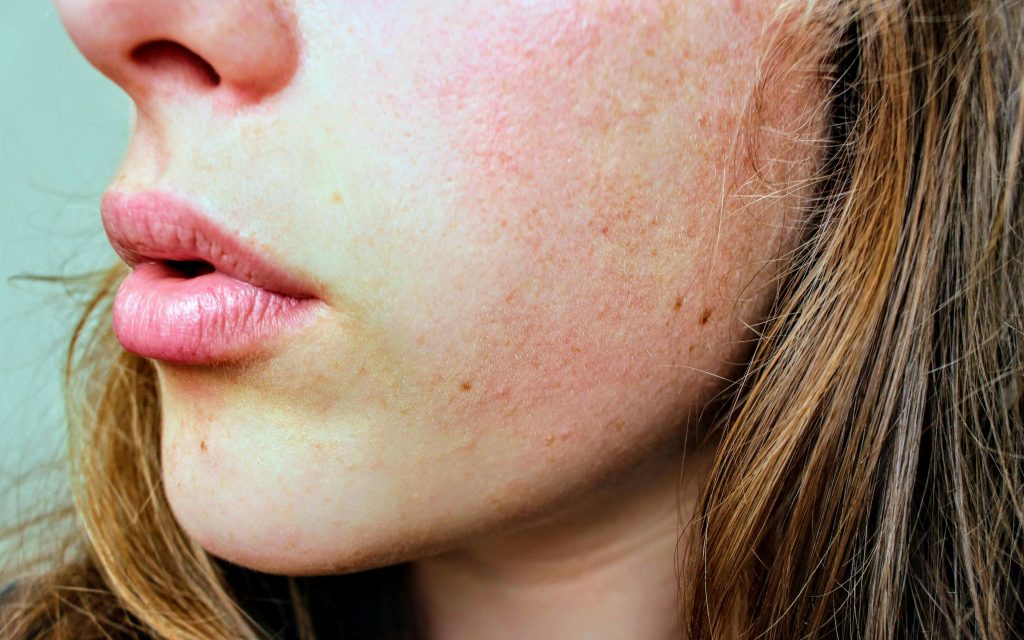
Facial pigmentation linked to hormonal changes and liver stress in women

Dark spots, melasma, or yellowish skin tone may reflect more than sun exposure. These changes can stem from:

  • Hormonal shifts during pregnancy or menopause

  • Liver stress affecting detox pathways

  • Accumulated UV damage that your skin can’t fully repair

We combine aesthetic treatments with functional lab testing to address both the surface and the source.

4. Thinning Skin May Be a Sign of Hormone Decline or Collagen Loss

As estrogen and testosterone decline with age, collagen production slows. This can lead to:

  • Thinner, more fragile skin

  • Increased bruising

  • Loss of elasticity and firmness

We offer hormone optimization alongside skin-rejuvenation treatments to help restore strength and resilience from the inside out.

5. Facial Redness Could Be Inflammation or Gut Related

Chronic facial redness possibly connected to gut inflammation and autoimmune issuesIf you’re experiencing frequent flushing or persistent redness—especially around the nose or cheeks—it may be connected to:



  • Chronic inflammation

  • Gut dysfunction, such as leaky gut or microbiome imbalances

  • Autoimmune activity

These symptoms can be frustrating and difficult to treat with skincare alone. If they persist, it’s important to consult a medical provider who can evaluate potential internal causes and guide you toward the right care plan.

Why Skin Changes Matter in Cobb County

In Georgia’s climate, skin is constantly exposed to sun, humidity, allergens, and environmental stress. That exposure can amplify underlying health issues—especially if your hormones, gut, or nutrient levels are already out of balance.

At Bubolo Medical, we don’t treat skin as an isolated issue. From our Marietta and Acworth clinics, we take a deeper look at how your skin reflects your health as a whole. Whether you’re dealing with breakouts, dryness, or signs of aging, we’ll help uncover what’s driving it and create a plan that supports both your skin and your overall well-being.

What’s Your Skin Trying to Tell You?

If your skin has changed and nothing topical is helping, it’s time to look deeper. At Bubolo Medical, we help patients in Cobb County get answers—whether the issue is hormonal, nutritional, or inflammatory.

Visit us in Acworth or Marietta, and we’ll help you find out what your skin is really saying—and what to do about it.


FAQ: Your Skin and Your Internal Health

Why am I breaking out along my jawline as an adult?
Hormonal changes—especially from stress, menopause, or PCOS—can cause lower-face acne that won’t respond to typical skincare.

Why is my skin dry even when I use a good moisturizer?
It could be a sign of low thyroid function, poor hydration, or vitamin deficiencies, especially if it’s persistent or widespread.

Can hormone problems cause skin discoloration?
Yes. Melasma and other pigment changes are often linked to hormonal shifts, particularly during pregnancy or menopause.

Is thin, bruising skin part of aging?
It can be, but it’s often linked to declining estrogen or testosterone. Hormone therapy may help restore thickness and elasticity.

What does facial redness say about my health?
Chronic redness may be a sign of inflammation or gut imbalance. A full-body wellness evaluation can help identify the cause.

Share this blog

A recent New York Post article explored the basics of testosterone replacement therapy (TRT) and why more men are seeking answers for symptoms like fatigue, weight gain, and low libido. As awareness grows, so does curiosity—and for good reason.

But while testosterone testing is a valuable tool, it’s often just the beginning of a deeper conversation about men’s health.

At Bubolo Medical, we work with men over 35 every day who are motivated to live longer, perform better, and feel like themselves again. For many, that journey begins with the question: “Could low testosterone be the reason I don’t feel right?”

The answer depends on more than a number.

Looking Beyond the T Score

When evaluating testosterone levels, it’s important to assess both total and free testosterone, as well as how those numbers relate to other systems in the body. Hormones don’t operate in a vacuum—and neither should treatment.

Before we ever recommend TRT, we begin with a broad panel of lab tests that offer insight into a patient’s overall health. These include:

  • Metabolic markers: like Hemoglobin A1C and lipid panels to evaluate insulin sensitivity and cardiovascular risk

  • Nutrient levels: such as vitamin D and B12, which impact mood, immunity, and hormone synthesis

  • Thyroid function: to detect common disruptions that mimic symptoms of low testosterone

  • Inflammation markers: like C-reactive protein (CRP), which is often elevated in those with fatigue and chronic stress

  • Reproductive hormones: including FSH and estradiol, which influence testosterone activity and balance

  • Prostate screening: via PSA to ensure a safe and informed path forward

This testing helps uncover contributing factors that may be amplifying symptoms or suppressing testosterone production in the first place.

A Smarter Path to Lasting Results

Low testosterone may be one piece of the puzzle. But underlying issues—like chronic inflammation, poor sleep quality, micronutrient deficiencies, or thyroid imbalances—are often the real culprits.

By addressing the full picture, we avoid the one-size-fits-all pitfalls of prescribing testosterone based on numbers alone. That’s also how we help men avoid side effects or subpar outcomes from unnecessary treatment.

Our goal isn’t just to raise a number — it’s to help you reclaim your strength, drive, and wellbeing in the safest, most effective way possible.

When Lifestyle Support Makes the Difference

At Bubolo Medical, we’ve seen that the most successful patients don’t just get a prescription—they get a plan. Our Bubolo Care membership provides ongoing access to mental health and lifestyle coaching, helping men sustain their results and address stress, sleep, and mood alongside their hormones.

If you’re experiencing symptoms but not sure where to start, our men’s health experts can help you decide whether hormone replacement therapy is appropriate—or if your body is asking for something else entirely.

Your Health Is More Than a Number

As public awareness grows around testosterone and men’s health, it’s important to recognize that one lab test rarely tells the whole story. But when testosterone testing is paired with broader diagnostics, meaningful conversation, and individualized support, it can be a powerful step forward.

For men over 35, that step is often the one that helps them not just feel better — but live better, too.

Looking for answers that make sense?
Schedule a consultation at Bubolo Medical and take the first step toward a better, more energized life.

Share this blog

You’re eating better. Moving more. Maybe even on weight loss medication. But the scale’s not budging—and your body still feels inflamed, puffy, or off. Sound familiar?

There’s a hidden reason why so many people struggle to lose weight, even when they’re doing everything “right.”

It’s chronic inflammation—and it could be working against you.

Is inflammation causing weight loss stall or stubborn weight?What Is Chronic Inflammation?

Unlike the short-term inflammation you get from an injury or infection, chronic inflammation is a slow, silent fire burning inside your body. Over time, it disrupts systems that control your weight, energy, and metabolism.

And if you’re trying to lose fat, that fire matters more than you think.

How Inflammation Sabotages Weight Loss

Chronic inflammation interferes with key hormones that regulate metabolism, appetite, and fat storage:

  • Insulin becomes less effective, which makes it harder to manage blood sugar and store energy properly.
  • Cortisol, your stress hormone, rises—triggering fat storage, especially around the belly.
  • Leptin, the hormone that signals fullness, gets disrupted—so you’re hungrier more often, and cravings creep in.

When these systems are out of sync, your body stops working with you and starts working against you.

You burn fewer calories. You crave more sugar. You hold onto fat—even when you’re eating clean.

What Foods Trigger Inflammation?

Processed foods can cause inflammation which contributes to weight gain


If you’re eating these regularly, you might be keeping your body in a low-grade, constant stress state:

  • Refined sugars (soda, candy, sweetened drinks)
  • Processed carbs (white bread, pastries, crackers)
  • Seed oils (canola, corn, soybean—common in fast food and packaged snacks)
  • Alcohol (even moderate drinking can drive inflammation)
  • Processed meats (bacon, sausage, deli meat, etc.)

These foods can worsen insulin resistance, increase cortisol, and throw off your gut and hormone balance—all of which stall fat loss.

How to Lower Inflammation and Support Weight Loss

The good news? You can cool that internal fire and help your body start working with you again.

Here’s what helps:

1. Prioritize Sleep

Lack of sleep increases inflammation and cortisol. Aim for 7–9 hours per night.

2. Manage Stress

Daily movement, deep breathing, and intentional downtime help regulate cortisol and support fat metabolism.

Stress can cause inflammation

3. Eat Anti-Inflammatory Foods

Focus on:

  • Leafy greens
  • Berries
  • Olive oil
  • Avocados
  • Wild-caught fish
  • Clean protein (like pasture-raised chicken or grass-fed beef)

These foods nourish your body and help reduce inflammation at the cellular level.

4. Supplement Wisely

High-quality omega-3s, turmeric, and magnesium can support your body’s anti-inflammatory pathways. We can help you choose the right ones for your needs.

Stop Inflammation and Start Losing Weight

Lowering inflammation can help weight loss

If you feel like you’re doing everything right but still can’t lose weight, it’s time to look deeper.

Inflammation might be the missing piece.

At Bubolo Medical, we look beyond the scale and help you identify what’s really holding you back so you can lose fat, protect muscle, balance hormones, and actually feel good doing it.

Think inflammation could be affecting your weight loss?

We’re here to help you get answers—and results that last. Call us at (770) 975-1299 for help.

Share this blog

These False Truths Will Not Lead You to An Effective and Lose Weight Fast in Atlanta.

Lose Weight Fast Atlanta GALosing weight is something many people would like to be able to do. While that is the case, it is only sometimes easily achievable.

Overcoming obesity or simply transitioning to a slimmer, healthier body image is a challenging process that requires discipline and determination—and, of course, helpful tips.

Unfortunately, many claims could or could not be valid regarding weight loss. Find out the most popular myths about weight loss so that you can guarantee to lose weight fast in Atlanta.

Bodies are different; therefore, the relationship between one’s body, the food one eats, and their weight status can be complex.

  1. Weight loss is not a linear process

    Some presume that shedding pounds is a linear process, wherein it starts at point A and ends at point B. Losing weight can be complex because the pounds may fluctuate up and down a few times—which is normal. You might experience your weight going down for a few days and weeks and for it to go up the other times.

    Your weight status relies on several factors, mainly on the other aspects of the body. For instance, you may notice that you have gained weight, but that could be because of your digestive system carrying more food or holding on to more water than usual.

  2. Supplements can help you lose weight

    Are you aware of the many, many companies that promote weight-reducing supplements that promise dramatic effects? There is a reason why the weight loss supplement industry is a massive one, and that is mainly because of the so-called “placebo effect.”

    This phenomenon occurs when consumers fall for marketing and advertising tactics and believe that the supplements could help with weight loss fast, but in reality, they only become more conscious of what they eat. Despite that, some weight supplements have a moderate effect on people’s weight.

  3. Calories are all equal

    While it is true that all calories have the same energy content, not all sources of calories have the same effects on one’s weight. For instance, a protein calorie differs from a carb calorie because the different foods one intakes go through different metabolic pathways, which could have varying effects on hunger and hormones in regulating body weight.

    So if you want to lose weight fast, try eating more food that is high in protein calories because it can increase your metabolism and reduce your appetite better than carb or fat calories.

    Learn more here: Weight Loss Program Hack: Keep A Food Journal

  4. Carbs and fat can make you fat

    Eating carbs does not necessarily cause weight gain. Before the obesity epidemic began, people had already been eating tons of carbs. Whole foods that are high in carbs are considered to be healthy.

    However, refined carbs, such as those found in refined grains and sugar, are closely associated with gaining weight.

  5. Obesity is not biological

    Some say that being obese is not biological but is all about a person’s willpower. But, weight gain is associated with numerous genetic variables and medical conditions, including hypothyroidism, depression, etc.

    Multiple hormones and biological pathways in the body regulate body weight. So, if you assume that willpower alone is a variable that affects your weight loss journey and not the condition of your body, then you are wrong.

  6. Eating breakfast is a must

    Studies revealed that people who skip breakfast are more likely to weigh more than those who don’t. However, this may be because those who eat breakfast may be maintaining other healthy lifestyle habits.

    A comparative study involving 309 adults discovered that there is an effect on weight whether the people ate breakfast or not. The rule is simple: eat breakfast when hungry, then stop if you’re full.

  7. Burn more calories than you take in

    Since the body fat is stored energy, some recommend eating less and moving more to lose weight. While this sounds logical in theory, there are better suggestions for those who have serious weight issues.

    Many people who followed this advice ended up regaining the weight they lost because of physiological and biochemical factors. It is not enough to focus on dieting and exercising to achieve weight loss—one must develop a sustained change in perspective and behavior.

  8. Obese people are unhealthy, while slim people are healthy

    People often affiliate body image with health. Some often think that when a person is huge, they are sickly. However, being thin is considered to be the ideal healthy body.

    Obesity may increase your chances of developing chronic health issues like type 2 diabetes, cancer, and heart disease, but some obese people are metabolically healthy. Some thin people have the same medical conditions as the ones mentioned.

It’s not about being fat or skinny; it is about knowing where your fats build up. You have a higher risk of developing a metabolic disease if you have a lot of fat built up in your abdominal area.

Fact or Myth: Is a Weight Loss Program Effective?

Lose Weight Fast Atlanta GAHundreds of methods claim to be effective ways to lose weight, but there is one proven helpful: medical weight loss.
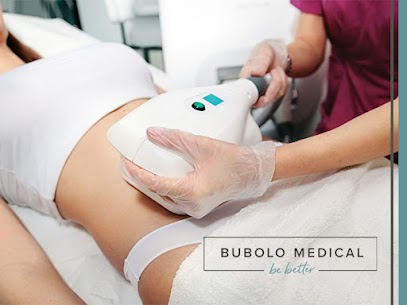
If you genuinely want to experience losing weight fast in Atlanta, consider taking this program.

Apart from the usual practices such as dieting and exercising, a medical weight loss program involves doctor-supervised plans that include medications, supplementation, behavior modification, and hormone optimization.

It is ideal for men and women who have reached 50 and are struggling with weight to try out this program.

Experience to Lose Weight Fast in Atlanta!

If you want to lose weight fast in Atlanta, Bubolo Medical is a tried and trusted weight loss clinic.

Book a consultation with Bubolo Medical today by contacting them at (770) 282-1852. Their location is at 200 Sandy Springs Place, Atlanta, GA 30328.

Share this blog

Below are a few questions people frequently ask about CoolSculpting in Acworth, from the first consultation to the final results.

CoolSculpting Acworth GAIn recent years, there has been an increasing trend in physical fitness. While regular exercise and a healthy diet are undoubtedly beneficial when it comes to losing weight, there are also invasive medical procedures that can help you achieve your goal weight.

Are you near your goal weight, yet you have stubborn pockets of fat that diet and exercise can’t seem to eliminate?

Do you have a goal in improving a specific body area? Then maybe Acworth’s CoolSculpting treatment is for you. The body contouring treatment is a safe and effective treatment to eliminate unwanted fat in virtually every body area. More than 7 million CoolSculpting® Elite procedures have been performed worldwide.

Non-surgical fat reduction treatment CoolSculpting® targets fat on the thighs, abdomen, flanks, chin, jawline, bra-area back fat, buttocks, and upper arms.

CoolSculpting Elite: Removes Fat Permanently

CoolSculpting Elite is the new and improved version of the body contouring treatment we know and love. The FDA-cleared, non-invasive treatment requires little to no downtime, so you can immediately return to your daily routine.

The body contouring treatment isn’t technically considered weight loss — it’s fat cell reduction. The treatment uses C-shape applicators in the target area. It freezes fat cells to as low as -11 degrees Celsius, ultimately destroying them without harming the skin and other tissues.

Over eight weeks, your body metabolizes the neutralized cells, resulting in 20-25% fat reduction in the treated area and changing your body’s contours.

CoolSculpting Treatments in Acworth, GA: Non-invasive Permanent Fat Loss

Do you want to try CoolSculpting? Here are the top 10 questions you should ask before getting your treatment.

  1. How does CoolSculpting work as a fat-loss treatment?

    CoolSculpting Elite freezes the fat cells beneath the targeted treatment area using cryolipolysis technology. Cryolipolysis is the process of deep-freezing fat cells underneath the skin to destroy them permanently.

    The C-shaped applicators freeze the fat cells beneath the targeted treatment area to as low as -11 degrees Celsius. Fat cells are destroyed when they reach this temperature, preventing further fat accumulation.

  2. What happens during CoolSculpting treatment?

    The treatment itself is simple. A gel is applied to the skin, and the CoolSculpting device is applied to the targeted treatment area using a vacuum-type motion that sucks the tissue area as it performs its magic.

    Under the guidance of the expert team at Bubolo Medical, controlled cooling is used to eliminate the targeted areas of fat, leaving sculpted results in its wake.

  3. What areas of the body can I use CoolSculpting?

    With CoolSculpting, you can target stubborn fat-holding areas on your body. Do you have stubborn pockets of fat under your chin, on your upper and lower abdomen, flanks, back, hips, thighs, and upper arms? CoolSculpting got you covered!

  4. How much fat will I lose after one session?

    Studies have shown that patients lose up to 25% of their body fat after one treatment. It is designed to reduce fat to the point where patients are satisfied with their new body shape after CoolSculpting.

    It’s an excellent treatment that destroys fat cells and prevents further fat buildup. No surgery. No downtime.

  5. Is CoolSculpting for me?

    In general, CoolSculpting® candidates have bulging areas of stubborn fat on certain parts of their bodies (called “problem areas”), despite proper diet and regular exercise. It’s not recommended for overweight and obese patients.

    All our patients will consult our specialists in Acworth to ensure that they are appropriate candidates for the treatment.

  6. Is there downtime after the treatment?

    One of the best things about CoolSculpting is that it has no downtime. Since it’s a non-invasive and nonsurgical treatment, you don’t have to worry about recovery.

    You can usually return to your routine after your procedure. Some patients may experience redness, tenderness, swelling, or numbness in the treated area, but these typically go away after a few days.

  7. Can both men and women undergo CoolSculpting?

    Women and men store fat in different places on their bodies, but this treatment works for both.

    The great thing about CoolSculpting in Acworth is that it works on both fibrous (women have more fibrous fat stored in their legs and hips) and firm fat (men have more fat stored in their bellies), making it an equally effective treatment for patients of both genders.

  8. When can I see the results of the treatment?

    Fat cells are permanently destroyed during the procedure. After your treatment session, fat cells dissolve and are flushed out of your body, revealing a more toned appearance between one and three months after your first treatment session.

  9. How many sessions of CoolSculpting do I need?

    Our specialists in Acworth will create a personalized regimen depending on your goals and needs.

    While every patient is different, in most cases, one to three sessions are sufficient for each area of concern. Depending on the specific areas you would like to improve, you may be required to use various applicators during each visit.

With CoolSculpting in Acworth, GA, you can eliminate stubborn pockets of fat safely and effectively, so you can achieve the body you desire!

Take The Next Step

CoolSculpting AcworthAre you ready to eliminate stubborn fat bulges and achieve a smoother, slimmer appearance?
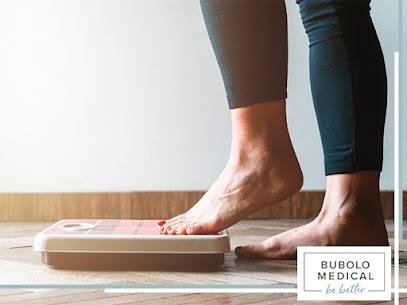
Aside from medical weight loss, Bubolo Medical in Acworth, GA, offers CoolSculpting treatment.

Contact us at (770) 975-1299 for a free consultation!

Our goal is for you to lose weight and maintain it long-term, even without our constant monitoring.


Share this blog

An expert from a medical weight loss clinic in Atlanta shared the top foods to avoid to prevent weight gain.

Medical Weight Loss Atlanta GAWe know that the fall season makes it extra hard to lose weight. Combining comfort foods, the cooler weather, and holiday parties are a recipe for disaster in reaching our weight loss goals.

You’ll have to sweat it out a little if you want to lose weight. Having the wrong food in your kitchen and eating the wrong food may make that process more difficult. And yes, those calorie-rich desserts during a holiday party are not doing you any good.

Make sure you have access to nutritious foods and keep junk food out of the house or tucked away in a place where it’s harder to reach in order to lose weight effectively.

According to our medical weight loss expert here in Atlanta, here are the top foods you should avoid this fall. It will also be helpful to consider Atlanta’s leading medical weight loss program.

Now is the time to eliminate foods from your pantry contributing to your weight loss struggles.

Foods to Avoid for Weight Loss

Before we get into diet-sabotaging foods, we want to clarify one thing: you can still enjoy all of these items while losing weight–eat them in moderation. We know Atlanta has a lot of good food options, and we don’t want you to starve yourself. It’s time to be more cautious about the things we eat.

Remember that this list does not include obvious diet villains such as candy and cookies. It’s time to expose some sneaky offenders that hide behind the guise of being “healthy” when they make it hard for us to lose weight.

Learn More Here: Weight Loss Program Hack: Keep A Food Journal

Start losing weight today by avoiding these diet-sabotaging foods.

  1. Calorie-dense drinks

    Fall is a great time to enjoy hot chocolate, egg nog, pumpkin spice lattes, and other autumn-inspired drinks. However, they tend to be high in calories, almost as much as a meal! Most autumn-inspired drinks contain 250 to 350 calories!

    They have high amounts of sugar and saturated fat, yet they lack protein, fiber, and other vitamins and minerals our bodies need to maintain optimal weight.

    Drinking water (which has no calories) or other low-calorie drinks such as tea or coffee can help you avoid these sugary drinks. Water also helps you feel fuller for extended periods and hydrates you! Make sure you burn off those calories after you indulge in a cup or two of hot chocolate!

  2. Canned soup

    There’s nothing better than a bowl of warm, savory soup on a cold night. You might reach for canned soup from your pantry when the weather cools. They’re much easier to prepare and are more convenient than homemade soup. Who has time to create a soup from scratch these days?

    But did you know that canned foods, including canned soup, are usually heavily processed already? Canned soups contain some vitamins and fiber, although the processing may remove most nutrients. Plus, they’re highly acidic, sodium-packed, and may contain BPA.

    Try making soup at home this fall instead via meal prep. Prepare and cook a big batch of nutritious, homemade soup at the start of the week, portion them into smaller servings, then freeze. Just heat a serving from the freezer when you’re up for soup on a cold night.

  3. Granola

    Granola bars are a tempting snack when you’re on the go. Granola bars seem healthy and wise to boost your energy before a long meeting or before a party without stuffing yourself.

    However, granola bars could be sneaky. They tend to contain a lot of added sugars, fats, and processed ingredients, so they’re less healthy than they seem. It’s as if you’re eating a candy bar.

    Swap them with protein bars with calcium, potassium, fiber, and iron instead. These help promote weight loss and help you gain muscle mass.

  4. Baked goods

    The day after Labor Day marks the beginning of the baking season. However, those yummy cookies, pies, and muffins are packed with saturated fat, sugar, and calories; some are even deep-fried! In Atlanta, a usual pastry (cookies, pies, and donuts) has about 240 to 430 calories with around 11 to 23 grams of fat.

    According to the American Heart Association, only 30% of calories should come from fat, which is about 65 grams in a 2000-calorie diet. You’ve met your daily fat requirements with a couple of cookies or donuts with your coffee.

    Let’s be honest; we wouldn’t advocate giving up sweets, especially during this super-festive time, but everything in moderation, folks. You should only have one cookie (well, two should be fine) instead of five.

Avoid Fall Weight Gain with Atlanta’s Medical Weight Loss Program

Medical Weight Loss Atlanta GAIf you want to lose weight fast in Atlanta, try Atlanta’s best weight loss clinic. If you’re going to lose weight safely and effectively, you need a suitable weight-loss program.

We at Bubolo Medical take a comprehensive approach to fast weight loss through medical weight loss, and we do not employ cookie-cutter solutions.

Our medical weight loss programs include FDA-approved drugs, lifestyle modifications, and nutritional coaching. We will help you lose weight by giving you the knowledge and tools to sustain the results for a long time.

With Atlanta’s medical weight loss, you will achieve the best weight loss results based on your medical history and individual needs. Lose 8 to 10 pounds per month safely and effectively!

Do you Want to Stay on Track in Your Weight Loss Journey?

You can achieve your weight loss goals safely and quickly with medical weight loss in Atlanta. Bubolo Medical offers personalized medical weight loss programs to help you achieve your body goals swiftly and safely.

Contact us at (404) 383-8252 for a free consultation! Our goal is for you to lose weight and maintain it long-term, even without our constant monitoring.

Share this blog

A food journal is a weight loss program tool to check your eating patterns and help you lose weight.

Weight Loss Program Atlanta GAWhen trying to lose weight, it’s common to focus on food intake and exercise rather than other factors that may be holding you back, such as stress levels, hormones, or your gut health.

Some weight loss programs lack this: they do not consider other factors that could help you lose weight.

Many nutritionists recommend keeping a food journal or a food diary as an adjuvant to your weight loss program.

Even though writing down everything you eat might seem daunting, it can actually be quite straightforward.

When you enroll in Atlanta’s weight loss program, it is recommended that you keep a food journal to track your weight loss or gain progress and identify food sensitivities.

What is a Food Journal?

The basic idea behind keeping a food journal is to keep a diary of what you eat and drink throughout the day. Keeping a food journal can be incredibly beneficial if you’re trying to lose weight, improve your diet, or simply understand your eating habits a little better.

So what goes inside a food journal? Basically everything! Aside from logging how much you consumed, you can also mention what you felt before, during, and after eating. Were you alone or eating with someone during that meal? Where and what time did you eat your meal? Sick on a particular day? Jot that down too!

Learn More Here: Best Hormone Therapy & Quick Weight Loss Center in Atlanta

Aside from understanding your eating habits, doctors and nutritionists can also use your food journal to determine which foods or ingredients you may be sensitive to. This information is crucial in creating a personalized weight loss program for you.

Benefits of Keeping a Food Journal

Several potential benefits have been linked to maintaining a food journal.

  1. It makes you aware of what you consume.

    Keeping a food journal will make you more aware of what you eat, how much you eat, and why you eat. You’ll also stay on track with your diet and exercise routine.

    By tracking what you eat, you can identify any gaps in your eating pattern and ensure that you’re getting all the nutrients you need. This is especially helpful if you have specific health goals or want to increase your fiber or protein intake.

  2. It helps build healthy habits.

    It can also be a great tool to make more conscious meal choices throughout the day and keep you from mindlessly grazing between meals. This will help you cut down on mindless munching and stress eating.

  3. It helps you identify changes needed to be made.

    When you keep track of your daily food intake, you’ll be able to begin making lifestyle changes, such as reducing the number of calories consumed each day.

    By tracking what you eat, you can identify any gaps in your eating pattern and ensure that you’re getting all the nutrients you need. This is especially helpful if you have specific health goals or want to increase your fiber or protein intake.

  4. It promotes weight control.
    Many weight loss programs recommend keeping a food journal to monitor your food intake, as it will help you lose weight.

    In addition to increasing your awareness of how much you’re eating, it can also help you identify which foods, feelings, or other external factors lead you to consume higher fat, sugar, or calorie foods.

  5. It creates a personal reference guide.
    Having a food journal is like having a personal reference guide. It will help you understand some of your habits and will inform your future choices.  It will also help in observing patterns that will aid you in your weight loss journey.

    We can also use food journals to identify food insensitivities or allergies. If you can, consult a registered dietitian to help evaluate your food journal and determine which ingredients or foods you should limit or avoid.

  6. It helps in creating healthy eating goals.
    Now that you have identified which areas need improvement, you can set specific, measurable, and achievable goals.

    Such goals will help you achieve your long-term goal of losing weight and keeping it off.

A food journal will help you remember to be mindful of your food without getting bogged down in complicated calorie counting and tracking.

Food Journals in a Weight Loss Program

Weight Loss Program Atlanta GAKeeping a food journal is helpful not just for yourself but also for your doctors and nutritionists. If you really want a treatment that can keep your weight loss goals on track, you may want to consider a medical weight loss program.

Losing weight with a medical weight loss program is the safest, most effective, and fastest way to lose weight. Atlanta’s medical weight loss programs guarantee success with a long-term commitment. We offer personalized weight loss and weight management programs to ensure that they work for you and your body.

Find the Best Medical Weight Loss Program in Atlanta!

At Bubolo Medical, we take a different approach to weight loss. Our Medical Weight Loss programs help you lose weight quickly and safely!

Bubolo Medical offers a holistic and medically supervised weight loss and management program. Our team of doctors, medical technicians, nutritionists, and coaches will monitor you every step of the way. You will be provided with the tools and knowledge to keep the results for a long time.

Achieve your body goals safely and effectively with our weight loss programs. Contact us today at (404) 383-8252 for a consultation!

Share this blog
Scroll to Top