

You’re eating better. Moving more. Maybe even on weight loss medication. But the scale’s not budging—and your body still feels inflamed, puffy, or off. Sound familiar?
There’s a hidden reason why so many people struggle to lose weight, even when they’re doing everything “right.”
It’s chronic inflammation—and it could be working against you.
 What Is Chronic Inflammation?
Unlike the short-term inflammation you get from an injury or infection, chronic inflammation is a slow, silent fire burning inside your body. Over time, it disrupts systems that control your weight, energy, and metabolism.
And if you’re trying to lose fat, that fire matters more than you think.
How Inflammation Sabotages Weight Loss
Chronic inflammation interferes with key hormones that regulate metabolism, appetite, and fat storage:
- Insulin becomes less effective, which makes it harder to manage blood sugar and store energy properly.
- Cortisol, your stress hormone, rises—triggering fat storage, especially around the belly.
- Leptin, the hormone that signals fullness, gets disrupted—so you’re hungrier more often, and cravings creep in.
When these systems are out of sync, your body stops working with you and starts working against you.
You burn fewer calories. You crave more sugar. You hold onto fat—even when you’re eating clean.
What Foods Trigger Inflammation?
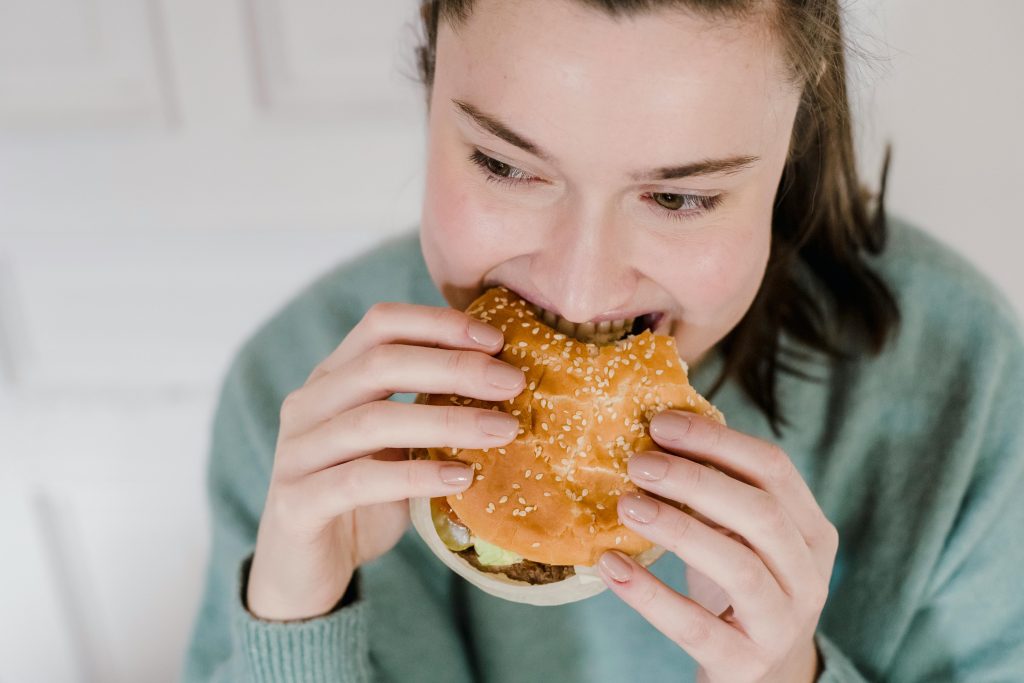
If you’re eating these regularly, you might be keeping your body in a low-grade, constant stress state:
- Refined sugars (soda, candy, sweetened drinks)
- Processed carbs (white bread, pastries, crackers)
- Seed oils (canola, corn, soybean—common in fast food and packaged snacks)
- Alcohol (even moderate drinking can drive inflammation)
- Processed meats (bacon, sausage, deli meat, etc.)
These foods can worsen insulin resistance, increase cortisol, and throw off your gut and hormone balance—all of which stall fat loss.
How to Lower Inflammation and Support Weight Loss
The good news? You can cool that internal fire and help your body start working with you again.
Here’s what helps:
1. Prioritize Sleep
Lack of sleep increases inflammation and cortisol. Aim for 7–9 hours per night.
2. Manage Stress
Daily movement, deep breathing, and intentional downtime help regulate cortisol and support fat metabolism.

3. Eat Anti-Inflammatory Foods
Focus on:
- Leafy greens
- Berries
- Olive oil
- Avocados
- Wild-caught fish
- Clean protein (like pasture-raised chicken or grass-fed beef)
These foods nourish your body and help reduce inflammation at the cellular level.
4. Supplement Wisely
High-quality omega-3s, turmeric, and magnesium can support your body’s anti-inflammatory pathways. We can help you choose the right ones for your needs.
Stop Inflammation and Start Losing Weight

If you feel like you’re doing everything right but still can’t lose weight, it’s time to look deeper.
Inflammation might be the missing piece.
At Bubolo Medical, we look beyond the scale and help you identify what’s really holding you back so you can lose fat, protect muscle, balance hormones, and actually feel good doing it.
Think inflammation could be affecting your weight loss?
We’re here to help you get answers—and results that last. Call us at (770) 975-1299 for help.