Now offering virtual care!

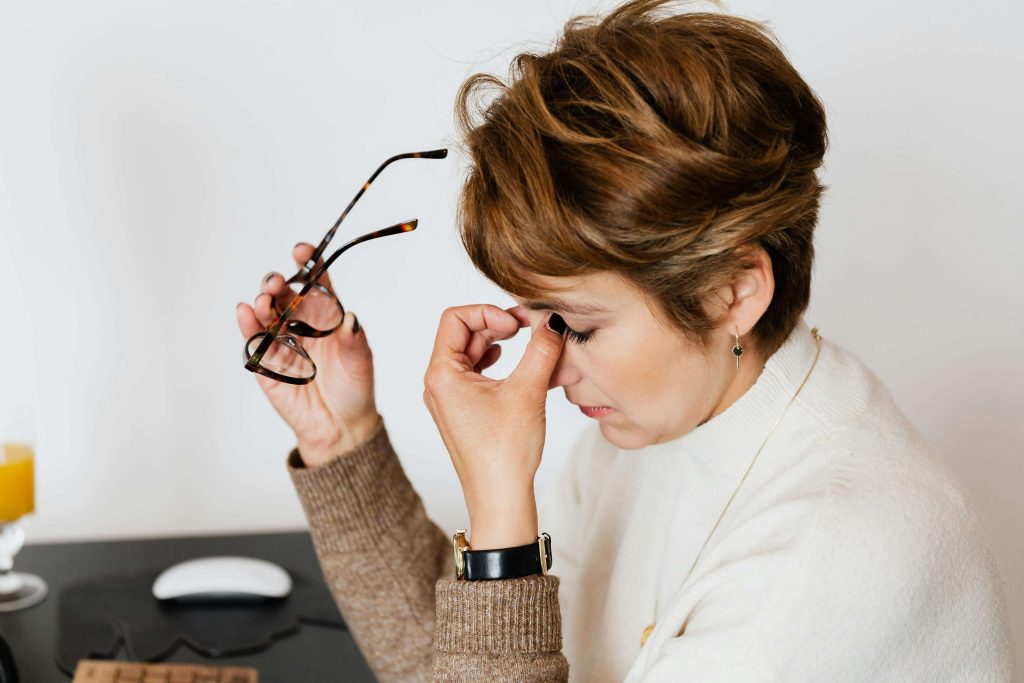
If your skin is acting up, your sleep is off, and your sex drive has disappeared, it might be more than just a busy schedule. These are often the earliest signs of burnout—something we see frequently in women at Bubolo Medical’s Marietta and Acworth clinics.

Many of our patients are doing all the “right” things—eating well, exercising, staying productive—but still feel drained. The truth is, burnout doesn’t just impact your energy levels. It disrupts your hormones, your nervous system, and your body’s ability to restore itself.

Your complexion, sleep quality, and libido are often the first areas to show signs that something’s off. Here’s how to recognize the signals and what you can do to feel like yourself again.

Burnout and Your Skin

When you’re stressed, your skin feels it too. Stress activates certain immune cells in the skin called mast cells. These cells release more stress hormones and inflammation, which can lead to redness, breakouts, itching, or flare-ups of chronic skin conditions.

This creates a cycle where stress causes skin issues—and those skin issues cause even more stress.

In fact, researchers have found that stress-triggered mast cells are linked to several skin conditions, including acne, eczema, psoriasis, and chronic itch.

Burnout and Sleep

Burnout can hijack your sleep—even if you’re going to bed on time. Common complaints include:

  • Difficulty falling asleep

  • Waking in the early morning hours and not falling back asleep

  • Feeling groggy despite getting 7–8 hours of sleep

  • “Tired but wired” sensations at night

When the body is in a chronic state of stress, it becomes harder to switch into rest mode. Cortisol stays high when it should be dropping, and melatonin—the hormone that helps you sleep—is suppressed. Over time, this can lead to adrenal imbalances and chronic fatigue.

We help patients regulate their sleep by supporting hormone rhythms, reducing inflammation, and targeting nervous system imbalances.

Burnout and Libido

A healthy libido isn’t just about sex—it’s a reflection of your hormone health and emotional well-being. When it suddenly disappears, it’s often your body’s way of saying it’s overwhelmed.

You might feel:

  • A sharp drop in interest or intimacy

  • Irritability around physical closeness

  • Low energy or emotional detachment

  • Physical discomfort during intimacy

Chronic stress lowers sex hormones like estrogen, testosterone, and DHEA. These changes can also lead to vaginal dryness, mood shifts, and a sense of disconnection. Addressing the underlying imbalance—rather than just the symptom—can restore desire naturally and safely.

What Ties It All Together

Skin, sleep, and sex drive might seem unrelated, but they’re all regulated by the same two systems: your hormones and your nervous system.

When stress becomes chronic, it disrupts the balance of cortisol, estrogen, progesterone, thyroid hormones, and testosterone. It also keeps your nervous system stuck in fight-or-flight mode. This creates a loop that leaves your body constantly inflamed, depleted, and overstimulated.

At Bubolo Medical, we approach burnout recovery with real solutions. We begin with in-depth evaluations, including hormone panels, cortisol testing, and nutrient screenings. From there, we create a care plan designed to restore balance and support long-term well-being.

What We Offer for Burnout Recovery

Our integrative approach may include:

Are You in Burnout?

You may be dealing with burnout if you notice any combination of these:

  • Persistent fatigue, even after a full night of sleep

  • Skin that’s red, reactive, or suddenly aging faster

  • Low libido or emotional distance in relationships

  • Mood swings or irritability

  • Changes in your cycle or PMS symptoms

  • Heavy reliance on caffeine or sugar to get through the day

Even if you’re not emotionally “burned out,” your body may be signaling it needs more support.

What You Can Do Now

If you’re just starting to notice the signs of burnout, try these foundational steps:

  • Prioritize sleep with a wind-down routine and screen-free evenings. Magnesium glycinate may help promote restfulness.
  • Eat for hormone stability by focusing on protein, fiber, and healthy fats to keep blood sugar and cortisol balanced.
  • Swap high-intensity workouts for low-impact movement like yoga, walking, or stretching.
  • Schedule a hormone evaluation if you suspect your fatigue, low libido, or skin changes aren’t improving.

Start Your Burnout Recovery in Marietta or Acworth

Burnout recovery isn’t about doing more—it’s about doing the right things. At Bubolo Medical, we help women across Cobb County and Metro Atlanta restore energy, sleep, and hormonal balance with personalized care that works.

If your skin, sleep, or libido have changed—and you feel like something’s off—don’t wait. The earlier you support your system, the faster you can feel like yourself again.

Schedule Your Consultation Today or call us at (770) 975‑1299

Share this blog

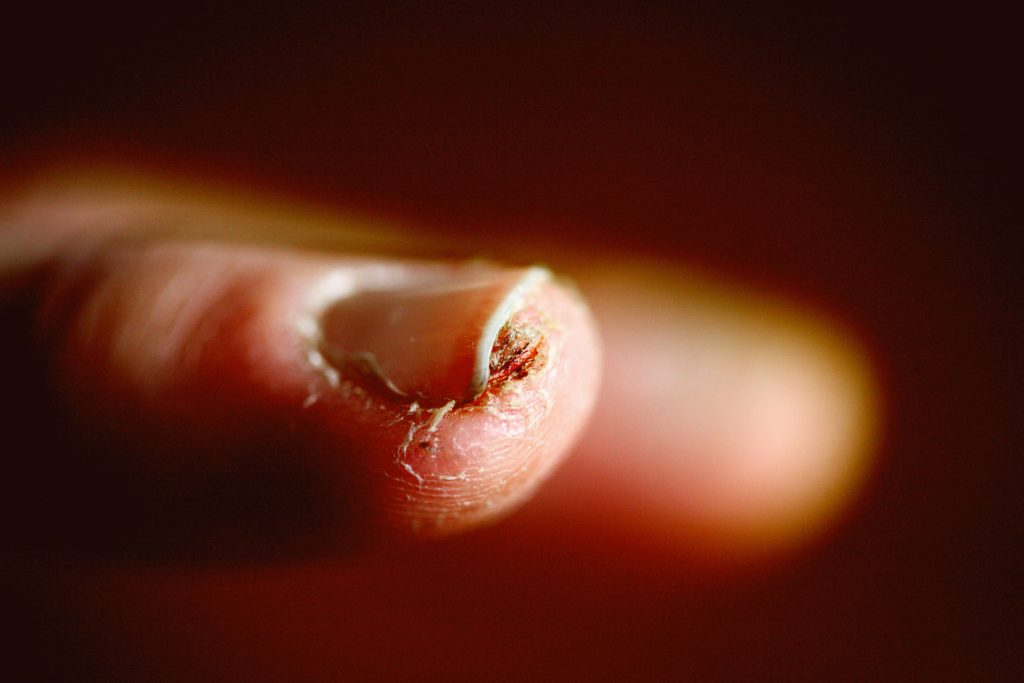
If your nails are constantly peeling, splitting, or breaking — even with a good diet and solid self-care — the cause might be deeper than surface-level damage. For many women in the Atlanta area, brittle nails can be an early sign of hormone shifts or nutritional imbalances that affect much more than just appearance.

At Bubolo Medical, we help patients uncover the metabolic and hormonal root causes behind stubborn symptoms like weak nails, fatigue, hair thinning, and skin changes. Your nails are more than cosmetic — they’re clues to your overall wellness.

Here’s what they might be trying to tell you.

What Really Causes Brittle Nails?

Occasional nail weakness can result from over-washing, polish remover, or cold weather. But if your nails have been weak for several weeks or months, internal health factors are often to blame.

Common causes include:

  • Nutrient deficiencies (especially biotin, iron, zinc, magnesium)

  • Hormone imbalances (thyroid, estrogen, cortisol)

  • Chronic stress

  • Digestive issues that impair absorption

When nails don’t respond to topical treatments or diet changes, it’s time to explore what’s happening inside your body.

Are Hormones Behind Your Brittle Nails?

Hormones influence everything from circulation to protein metabolism — both essential for healthy nail growth.

1. Thyroid Dysfunction

Low thyroid (hypothyroidism) is a frequent cause of brittle nails, especially in women over 35. The thyroid controls keratin production — the protein that builds nails. If you notice ridged, dry nails along with fatigue or cold hands, your thyroid could be underactive.

2. Estrogen Changes in Perimenopause

As estrogen declines in midlife, hydration and collagen production drop. Nails may become thinner, flakier, or slower-growing — often alongside brain fog, irregular cycles, or mood swings.

3. Cortisol and Chronic Stress

High stress raises cortisol, which reduces blood flow to your extremities (including nails) and depletes key nutrients. If stress is constant, your body may struggle to maintain healthy nail growth.

Could Your Gut Be the Problem?

Even if you eat a healthy diet, poor absorption may keep your nails from getting the nutrients they need. Low stomach acid, IBS, or long-term medication use can block absorption of iron, zinc, and B vitamins — all essential for strong nails.

Nutrients That Support Healthy Nails

A few specific nutrients are key for nail strength:

Nutrient Why It Matters Good Sources
Biotin Supports keratin and nail thickness Eggs, nuts, whole grains
Iron Helps oxygenate nail matrix Red meat, lentils, spinach
Zinc Supports repair and immune balance Pumpkin seeds, shellfish
Magnesium Needed for protein synthesis Leafy greens, beans, almonds

How We Approach Brittle Nails at Bubolo Medical

Instead of treating brittle nails as a cosmetic issue, we look for the real cause. At Bubolo Medical, we offer:

Comprehensive Lab Testing

We can evaluate thyroid function, estrogen/progesterone balance, nutrient levels, and digestion to identify the source of nail problems.

Hormone Support

If hormone imbalance is the culprit, we provide personalized therapies for estrogen, thyroid, and adrenal support — based on lab results and symptoms.

Weight and Stress Management

Because stress and weight can affect hormones, we support overall health through customized weight loss programs and stress-reducing strategies.

FAQ: Brittle Nails and Health

Why are my nails suddenly breaking all the time?
Sudden nail changes may signal a drop in key nutrients, thyroid function, or hormonal shifts. It’s best to test for internal causes if symptoms persist.

Can hormones really affect nail growth?
Yes. Estrogen, thyroid, and stress hormones all play major roles in keratin production, hydration, and blood flow — which impact nail health.

How can I tell if it’s diet or hormones?
If diet alone hasn’t helped your nails in 6–8 weeks, or if you have other symptoms like fatigue or brain fog, hormones may be involved.

Address Your Brittle Nails and More

Brittle nails might seem small — but they can be your body’s early warning system. At Bubolo Medical, we help women across Marietta, Acworth, and surrounding areas decode subtle signs of imbalance, and restore strength from the inside out.

Explore how hormone support, personalized nutrition, and expert care can help your body thrive — starting at the cellular level.

Schedule your consultation today.

Share this blog

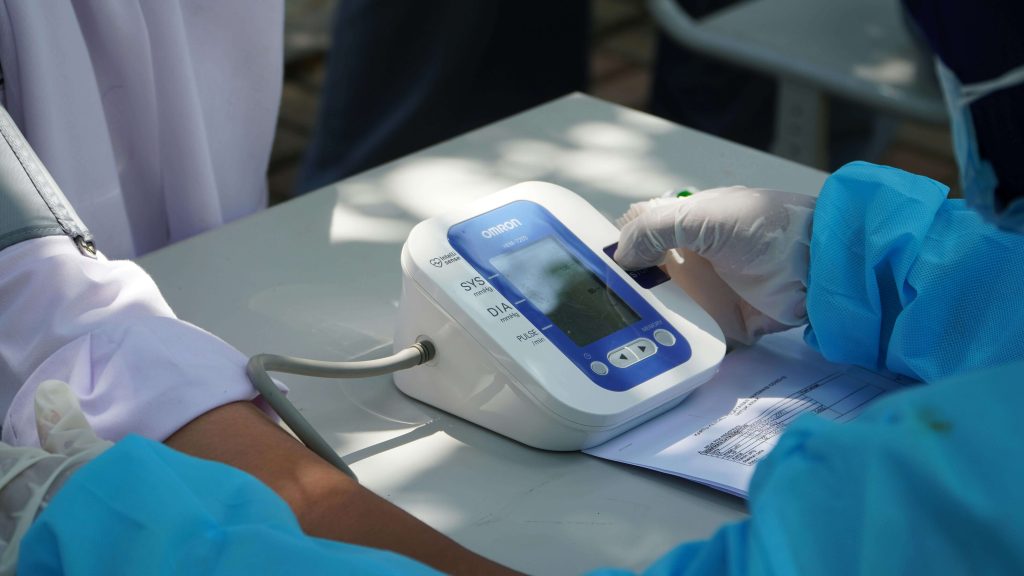
If you haven’t checked your blood pressure lately, now’s the time.

The American Heart Association (AHA) and American College of Cardiology (ACC) have just released their 2025 updates to the national blood pressure guidelines. These changes aim to catch risk earlier — and protect your long-term health with more proactive, personalized care.

Whether you’re already monitoring your blood pressure or just starting to think about prevention, these updates affect millions of adults. And they reinforce what we’ve seen in our clinics for years: staying ahead of chronic conditions leads to better outcomes, fewer complications, and a longer, healthier life.

What’s New in the 2025 Blood Pressure Guidelines?

The most significant change in the 2025 update is a stronger emphasis on early intervention. While the standard definitions for hypertension haven’t changed, doctors are now encouraged to begin lifestyle-based or medical treatment earlier — especially in patients with risk factors like diabetes, excess weight, or metabolic dysfunction.

Key highlights include:

  • Earlier treatment at lower levels: Stage 1 hypertension (130–139/80–89) now warrants more active management, even if you feel fine.

  • More personalized risk assessment: A new PREVENT™ score helps identify your unique risk for heart attack, stroke, and other cardiovascular complications — and guide your care accordingly.

  • Better tools for long-term health: The guidelines promote ongoing monitoring, preventive screenings, and lifestyle changes that support weight, energy, and metabolic function. These tools are all included in our Bubolo Care membership.

What Hasn’t Changed?

The basic blood pressure categories remain the same:

  • Normal: Below 120/80

  • Elevated: 120–129 / less than 80

  • Stage 1 Hypertension: 130–139 / 80–89

  • Stage 2 Hypertension: 140+ / 90+

But here’s what’s different: your doctor may now act sooner — not just to lower your blood pressure, but to address the root causes behind it.

At Bubolo Medical, that often means evaluating hormone levels, nutritional gaps, stress impact, and lifestyle habits — all of which can affect your heart, energy, and metabolism.

Why This Matters — Especially in the Southeast

Heart disease remains a top cause of death in Georgia. But many of the risk factors — like high blood pressure — are silent and preventable.

The new guidelines make it clear: waiting until symptoms appear is no longer enough. With proactive testing, personalized care, and targeted interventions, you can reduce your risk dramatically.

That includes:

  • Improving your weight and energy levels

  • Supporting healthy metabolism and blood sugar

  • Reducing long-term risk for heart disease and complications

  • Avoiding unnecessary medications through lifestyle-based care

What You Can Do Now

If you’re unsure about your numbers — or haven’t had your blood pressure checked in the last 6–12 months — it’s time to schedule a visit.

At Bubolo Medical, we provide personalized care that goes beyond the numbers. We help you identify early signs, uncover what’s really driving your risk, and create a plan that fits your goals, whether that includes weight loss, hormone optimization, or ongoing wellness support.

Top 10 Takeaways from the New Guidelines

The updated blood pressure guidelines include important changes that go beyond numbers. Here are ten key takeaways to help you stay informed and in control:

  1. High blood pressure raises dementia risk
    Lowering your BP early may help protect brain health in the long run.

  2. It’s the #1 modifiable risk factor for heart disease
    Controlling blood pressure has the biggest impact on preventing heart attacks, strokes, and heart failure.

  3. Pregnancy-related high blood pressure matters
    Complications like preeclampsia can have long-term effects on both mother and child.

  4. Know the warning signs of a hypertensive crisis
    A reading over 180/120 with symptoms like chest pain or blurry vision requires immediate medical attention.

  5. It can affect anyone — at any age
    Young adults, teens, and older adults are all at risk, especially if there’s a family history.

  6. Accuracy is everything
    BP should be measured correctly: seated, calm, and with the arm supported at heart level.

  7. Medication is just one option
    Many people can manage blood pressure through lifestyle changes alone, but medications are safe and effective when needed.

  8. The DASH diet works
    A diet rich in fruits, vegetables, lean proteins, and low sodium can help lower blood pressure naturally.

  9. Small weight loss has a big impact
    Losing just 5% of your body weight can significantly improve blood pressure.

  10. Lifestyle changes make the biggest difference
    Exercise, sleep, stress management, and addressing underlying conditions all support better blood pressure control.

Ready to take the first step?

Book a general practice appointment at one of our Atlanta-area clinics and get clarity on your heart health — before problems start.

Share this blog

Self-care isn’t a bubble bath or a face mask—at least, not anymore. For many women across Metro Atlanta, true self-care now includes medical weight loss, hormone optimization, and evidence-based treatments that support energy, confidence, and long-term health.

At Bubolo Medical in Marietta and Acworth, we see this shift every day: women who are done with surface-level fixes and ready to take control of what’s going on inside.

Here’s how self-care is evolving—and how our clinics are helping women feel their best at every stage of life.

Beyond Symptoms: Women Want Answers

Whether it’s fatigue that won’t go away, stubborn weight gain, or skin changes that don’t respond to over-the-counter products, many women come to us feeling dismissed or overlooked. They’ve been told their labs are “normal,” their concerns are “part of aging,” or they “just need more sleep.”

But the truth is, your symptoms are data. And when you’re not feeling like yourself, you deserve more than quick fixes—you deserve real answers.

That’s why we use advanced lab testing to evaluate:

  • Thyroid function

  • Sex hormone levels (estrogen, progesterone, testosterone)

  • Vitamin D and B12

  • Inflammatory markers

  • Metabolic health indicators like A1c and lipid panels

From there, we create individualized care plans based on clinical evidence, not trends.

Hormones Matter More Than Most Women Realize

Hormonal shifts can affect everything—from how your skin looks to how well you sleep. In your 30s and 40s, changes in estrogen and progesterone can cause:

  • Mood swings

  • Weight gain around the midsection

  • Low libido

  • Hair thinning

  • Increased skin sensitivity or breakouts

Hormone therapy isn’t just for menopause. At Bubolo Medical, we work with women across a wide age range to rebalance hormones safely and effectively using bioidentical options tailored to each individual.

Explore Hormone Therapy Options in Marietta and Acworth

Aesthetic Care That’s Part of the Bigger Picture

Self-confidence isn’t shallow—it’s part of how you move through the world. That’s why we offer aesthetic treatments that enhance natural beauty while supporting skin health.

Popular options include:

  • Hydrafacial treatments to clear pores, hydrate skin, and improve tone

  • Medical-grade skincare for aging, acne, or pigmentation

  • PRP and microneedling to restore elasticity and stimulate collagen

  • Botox and filler for natural-looking results that refresh—not freeze—your features

These aren’t about changing who you are. They’re about reflecting how good you feel on the inside.

Learn More About Skin & Aesthetic Services

Weight Loss, Reimagined

Forget crash diets. Medical weight loss is about addressing the reasons behind slow metabolism, insulin resistance, and low energy. For many of our patients, success comes when they finally stop blaming themselves and start getting the support their bodies need.

We combine:

  • Prescription support (including GLP‑1 medications when appropriate)

  • Nutrition coaching

  • Lab monitoring

  • Lifestyle guidance

Our programs are medically managed and results-driven—but always personal and compassionate.

Start Your Weight Loss Journey

Wellness Shouldn’t Feel Like Work

If you’re juggling career, kids, aging parents, or just daily life, taking care of yourself often falls last on the list. We make it easier.

At Bubolo Medical, we build long-term partnerships with our patients—rooted in listening, learning, and evidence. Whether you’re seeking more energy, clearer skin, better sleep, or lasting weight loss, we’re here to help you get there—without guesswork.

Feel Better. Look Better. Live Better.

If you’ve been wondering whether it’s “just stress” or “just aging,” trust that voice in your head. You know your body better than anyone else—and if something feels off, we’re ready to help you figure out why.

Share this blog

Hair loss is more common — and more complex — than most people realize. It affects nearly 80 million people in the U.S. and doesn’t discriminate by age or gender. While shedding a few strands a day is normal, noticeable thinning, bald patches, or excessive shedding can signal something more.

If you’ve ever felt unsure about what’s happening with your hair, this post is for you.

What Counts as “Normal” Hair Shedding?

It’s normal to lose 50–100 hairs per day. These are hairs that have reached the end of their growth cycle and naturally fall out to make room for new ones.

But when you start seeing more hair in your brush, shower drain, or pillow — or notice a visible change in density — it could be more than just regular shedding.

Common Causes of Hair Loss

Hair loss can stem from many factors. Here are some of the most common:

  • Genetics (Androgenetic Alopecia): This is the most common cause of hair loss in both men and women and is often referred to as male or female pattern baldness. It’s largely hereditary.

  • Hormonal Changes: Thyroid imbalances, pregnancy, menopause, and low testosterone or estrogen can trigger or accelerate hair loss.

  • Stress & Trauma: Physical or emotional stress — including surgery, illness, or a major life event — can lead to temporary shedding (telogen effluvium).

  • Nutritional Deficiencies: Low levels of iron, vitamin D, zinc, or protein can weaken hair and slow growth.

  • Medical Conditions: Autoimmune diseases like alopecia areata, scalp infections, and chronic illnesses can disrupt the hair growth cycle.

  • Medications & Treatments: Chemotherapy, antidepressants, blood thinners, and certain acne or blood pressure medications can contribute to hair loss.

How to Know If It’s a Problem

Signs you may be experiencing abnormal hair loss include:

  • Widening part or thinning on the crown

  • Receding hairline or bald spots

  • More hair than usual in your hands or brush

  • Slower regrowth after shedding

  • Changes in texture or strength of your hair

Why Early Action Matters

Hair follicles can shrink over time, leading to finer, weaker hair — or stopping growth entirely. Catching changes early can preserve hair density and improve regrowth outcomes.

The earlier you address it, the more options you have — especially when it comes to treatment.

Hair Loss Is Not Just a Cosmetic Issue

For many people, hair loss impacts confidence, identity, and emotional well-being. It’s not vain to care — it’s valid. Addressing hair loss isn’t just about appearance; it’s about quality of life.

What Can You Do?

The first step is understanding the why. At Bubolo Medical, we help identify the root cause of hair loss with a thorough evaluation of your hormones, nutrients, stress levels, and overall health.

Based on your needs, treatment options may include:

  • Medical-grade topicals (like minoxidil or finasteride)

  • Hormone therapy

  • PRP (platelet-rich plasma) scalp injections

  • Low-level laser therapy

  • Nutritional support and supplements

  • Peptide therapy

  • Hair restoration consultations

Every person is different. What works for one patient may not work for another — that’s why personalized care is key.

If You’re Concerned About Hair Loss, Don’t Wait.
Hair loss is easier to slow and treat when caught early. A quick consultation can help you understand what’s happening — and what to do next.

August is National Hair Loss Awareness Month. There’s no better time to take control of your health from the root up.

Want help with your hair loss? Call us at (770) 975-1299 or schedule a consultation.

Share this blog

Fall can sneak up fast. One minute you’re cruising through summer, and the next, you’re juggling packed schedules, early mornings, and a pace that somehow just feels… heavier. Whether you’ve got school-aged kids or not, the shift this time of year is real — and your body notices it.

If you’ve been feeling more tired than usual, struggling to focus, or just not bouncing back the way you used to, you’re not alone. It’s not always about being busy — sometimes, it’s your body’s way of asking for help.

Signs You’re Running on Empty

A little fatigue is normal. But when tired turns into burned out, it’s time to look deeper. These are common signs we see in patients this time of year:

  • Low energy, no matter how much sleep you get

  • Weight gain (especially around the midsection)

  • Trouble concentrating or remembering things

  • Mood swings or irritability

  • Low motivation or drive

  • Hair thinning, dry skin, or dull complexion

  • Trouble sleeping or waking up refreshed

On their own, these might seem like stress. But when they stack up, they often point to imbalances under the surface — especially in your hormones, metabolism, or nutritional status.

Why Fall Is the Best Time to Reset

The truth is, your body’s internal systems don’t reset just because the calendar does. If anything, the increased demands of fall (back-to-school, tighter routines, less sunlight, holiday prep) only increase the strain on your adrenal system, hormones, and metabolism.

Checking in now means you have time to course-correct before the holidays hit and things really ramp up. Whether it’s through lab testing, hormone optimization, peptide therapy, or weight loss support, this is the window to take back control.

How We Help You Get Back in Balance

At Bubolo Medical, we specialize in helping patients feel like themselves again — not just through symptom relief, but by identifying and fixing the root cause. Here’s how we help you rebuild energy from the inside out:

  • Comprehensive lab testing that checks your hormones, nutrients, inflammation, thyroid, and metabolic markers

  • Customized treatment plans built for your goals, lifestyle, and budget

  • Long-term support through Bubolo Care, our unique membership for ongoing, at-cost care

  • Targeted therapies like bioidentical hormones, medical weight loss, advanced peptides, and more

We also offer free consultations — in person or virtually — so you can explore your options and ask questions without pressure.

Ready to Reclaim Your Energy?

If your body’s been whispering that something’s off, listen. A few simple steps now can make the rest of the year feel completely different.

Book Your Free Consultation
Let’s find out what’s draining your energy — and what you can do to fix it.

Share this blog

August 3 marked the start of National Farmers Market Week 2025 — and here in Cobb County, it’s the perfect time to gather and enjoy fresh, local food. Whether you’re focused on weight loss, hormone balance, or simply feeling your best, what you eat matters.

Shopping at a local farmers market gives you access to seasonal, nutrient-rich foods while supporting small growers across Metro Atlanta. Many of the ingredients you’ll find — like leafy greens, cruciferous veggies, and antioxidant-rich fruits — align with the evidence-based nutrition plans we offer at Bubolo Medical.

Here’s where to find farmers markets in Acworth, Marietta, and throughout Cobb County this season — plus how they support your wellness goals.

Marietta Square Farmers Market

Days: Saturdays, 9 a.m.–12 p.m. (year‑round); Sundays, 12 p.m.–3 p.m. (May–October)
Location: Marietta Square at 65 Church St
Description: Georgia-grown produce, local meats, baked goods, artisan foods

Acworth Farmers Market

Days: Fridays, 8 a.m.–12 p.m. (April–October)
Location: Logan Farm Park at 4405 Cherokee Street in Acworth
Description: Seasonal vegetables, local vendors

Kennesaw Farmers Market

Days: Mondays, 3:30 p.m.–7:30 p.m. (May–August)
Location:  Corner of Main Street and Moon Station Road in Kennesaw
Description: Local produce, crafts, and artisan goods

Powder Springs Farmers Market

Days: 2nd Wednesdays, 5 p.m.–9 p.m. (May–October)
Location: Thurman Springs Park at 4485 Pineview Dr in Powder Springs
Description: Food trucks, musicians, artisan and market vendors

Cobb County Farm Bureau Farmers Market

Days: Tuesdays, 3 p.m.–7 p.m.
Location: Lost Mountain Park in Powder Springs
Description: Food trucks, musicians, artisan and market vendors

Smyrna Handmade Market

Days: Sundays, 10 a.m.–2 p.m. (May–October)
Location: Smyrna Market Village at 1265 W Spring St
Description: International foods, local honey, handmade soaps, baked goods, crafts and more

EPIC Farmers Market

Days: Saturdays, 10 a.m.–3 p.m.; Sundays, 9 a.m.–3 p.m.
Address: Riverside EpiCenter at 135 Riverside Pkwy in Austell
Description: Seasonal produce, artisan treats, wellness products, home décor, and more

Tips for Getting the Most Out of Your Farmers Market Visit

Farmers markets aren’t just for grabbing a few peaches and calling it a day. With a little intention, they can become a regular part of your wellness routine — supporting everything from metabolic health to hormone balance. Here’s how to make your visits more rewarding:

1. Go Early for the Best Selection
The freshest produce and most popular items — like eggs, berries, and leafy greens — tend to sell out quickly. If you’re shopping for nutrient-dense staples, arrive when the market opens.

2. Ask Questions
Talk with the farmers. Ask how the produce was grown, when it was harvested, or how to prepare something unfamiliar. You’ll get better food and better advice — and support local agriculture in a meaningful way.

3. Prioritize In-Season Produce
Eating with the seasons helps you get the most nutrient-dense food at peak freshness. In late summer, look for squash, tomatoes, peppers, melons, cucumbers, okra, and fresh herbs. These ingredients are great for gut health, hormone support, and blood sugar stability.

4. Think Beyond Produce
Many markets offer local honey, pasture-raised meats, sourdough bread, or naturally fermented foods — all excellent for gut health and immune support. Read labels and check ingredients to ensure alignment with your dietary goals.

5. Bring a Cooler or Insulated Bag
Georgia summers are hot. If you’re picking up eggs, meats, or dairy, bring a cooler or insulated bag to protect your food and keep it fresh for the ride home.

6. Meal Plan Before You Go
Jot down a few recipe ideas and build your shopping list around them. This helps prevent overbuying — and ensures you’ll actually use what you bring home. Aim for balance: a lean protein, a healthy fat, and fiber-rich carbs in every meal.

7. Shop with a Health Goal in Mind
Whether you’re working on weight loss, hormone balance, inflammation, or energy, choose ingredients that align with your care plan. For example:

  • Leafy greens like kale and arugula for hormone detox

  • Cruciferous vegetables for estrogen balance

  • Berries and colorful fruits for antioxidants

  • Fresh herbs for flavor without extra salt or sugar

8. Try Something New Each Week
Pick one item you’ve never cooked before — like kohlrabi, purslane, or a new variety of squash. Trying new foods expands your nutrient intake and keeps meals interesting.

9. Bring Your Own Bags and Cash
Some vendors accept cards, but not all. Having small bills and reusable bags keeps the line moving and makes your experience smoother.

10. Make It a Routine
The benefits of eating locally and seasonally build over time. Whether you go every weekend or a couple times a month, adding market visits to your routine helps keep your kitchen stocked with whole, nourishing food that supports long-term wellness.

Why It Matters to Wellness

Farmers markets make healthy eating more accessible. Locally grown produce is picked at peak ripeness, so it’s often more nutritious and flavorful than store-bought options — with higher levels of fiber, antioxidants, and key vitamins that support gut health, metabolism, and hormone balance.

Shopping the market also helps you avoid common additives like seed oils and preservatives, making it easier to stick to whole-food habits that align with weight loss or wellness goals.

Beyond food, markets promote emotional health by encouraging movement, time outdoors, and connection with your local community — all tied to lower stress and better long-term health.

And every dollar spent supports small growers and producers here in Cobb County, helping strengthen our local food system for the future.

Plan Your Visit This Week

Take time during Farmers Market Week to explore Cobb County’s farmers markets. They’re full of fresh options grown by dedicated farmworkers and it’s a simple way to support your community and your health.

Share this blog

Cobb County schools are officially back in session today – Monday, August 4, 2025. Whether you’re navigating elementary drop-off or high school athletics, a new academic year is a chance to reset family routines and get ahead on planning. Here’s what every Cobb County parent should know, including this year’s academic calendar, important dates, and smart wellness strategies to keep your household on track.

Cobb County School Calendar for 2025–2026

Important Dates

August 4 – First day of school
August 18 – Digital Learning Day
September 1 – Labor Day
September 22 to 26 – Fall Break
October 13 – Digital Learning Day
November 4 – Election Day
November 24 to 28 – Thanksgiving Break
December 2 – Digital Learning Day
December 18 and 19 – Early release
December 22 to January 5 – Winter Break
January 19 – Martin Luther King Jr. Day
February 16 to 20 – Winter Break
March 2 – Digital Learning Day
April 6 to 10 – Spring Break
May 18 to 20 – Early release
May 20 – Last day of school
May 25 – Memorial Day

Family Wellness Tips

Reset routines before they reset you
Bedtimes and screen habits tend to shift over summer. Re-establishing consistent wake-up and wind-down times helps improve energy, focus, and emotional balance.

Make meals work harder
Back-to-school means busier mornings and longer days. Prioritize breakfasts and snacks that support energy and focus—think protein, fiber, and hydration over sugar spikes.

Make space for transition time
Even exciting changes can create stress. Allow extra time in the mornings or after school for slow moments, check-ins, and decompression.

Check the calendar now—avoid surprises later
Plug in school breaks, digital learning days, and early releases into your planner. Knowing what’s ahead helps reduce family stress and last-minute scrambling.

Watch for signs of burnout or stress
Sleep changes, skin flare-ups, food cravings, and mood swings are often early signs that a child or adult is running low. If symptoms linger, our team at Bubolo Medical offers wellness evaluations to help identify the root cause.

Start the Year Strong

Back-to-school season isn’t just for students – it’s a reset opportunity for parents too. While the kids are in school, make time for your health goals. Come see us at one of our clinics in Acworth or Marietta.

Share this blog

Weight loss can do amazing things for your health, energy, and confidence—but for some people, it also brings a surprise side effect: a face that suddenly looks thinner, older, or more tired than expected. Nicknamed “Ozempic face,” this shift in facial volume has made headlines as more people turn to GLP-1 medications like semaglutide and tirzepatide to reach their weight loss goals.

What Is “Ozempic Face”?

“Ozempic face” is a term used to describe the hollow or sagging appearance that can occur in the face as a result of rapid weight loss. It typically shows up as:

  • Flattened cheeks

  • Deepened lines around the mouth or jaw

  • Loose or crepey skin, especially around the eyes and jawline

  • A more gaunt or aged look, even when the body feels healthier

While the nickname refers to the medication Ozempic, it’s not the drug itself that causes these changes—it’s the loss of subcutaneous fat in the face. Any significant weight loss, whether from medication or lifestyle change, can have this effect.

Why Does This Happen?

Your face stores fat just like the rest of your body. When you lose weight, you don’t get to choose where fat disappears. And for some people—especially adults over 35 or those with naturally lower body fat—the face is one of the first places to show signs of volume loss.

Combined with age-related collagen decline, weight loss can make skin appear looser or more drawn, even if your overall health is improving.

Are People Really Getting Surgery for This?

Yes. In more extreme cases, some individuals have turned to surgical facelifts or fat grafting procedures to restore a youthful appearance after major weight loss.

But surgery is not the only solution—and for most patients, it’s not necessary at all.

How to Prevent Facial Volume Loss During Weight Loss

If you’re actively losing weight—especially with the help of GLP-1 medications like semaglutide—there are proactive ways to protect your skin and maintain facial balance.

1. Support Collagen Production

Collagen gives skin its firmness and elasticity. As you lose weight, boosting collagen can help skin stay resilient. Options include:

  • Microneedling with growth factors

  • Radiofrequency skin tightening

  • Medical-grade skincare with ingredients like retinoids and peptides

These treatments are available at Bubolo Medical and can be integrated during or after a weight loss plan.

2. Stay Hydrated and Well-Nourished

A nutrient-dense diet and proper hydration support your skin’s ability to repair and adapt. If you’re in a calorie deficit, it’s important to maintain adequate protein, vitamins, and healthy fats.

3. Be Proactive with Aesthetic Treatments

Subtle aesthetic treatments can help maintain a natural look while you’re losing weight. At Bubolo Medical, we offer non-surgical options that are personalized for your skin type and stage of weight loss.

These may include:

  • Hydrafacial for deep hydration and glow

  • Radiofrequency tightening to improve elasticity

  • Preventive skincare plans tailored by our aesthetic team

We’ll help you create a timeline that fits alongside your weight loss journey.

What if You’ve Already Lost Volume?

If you’re noticing signs of facial hollowness or sagging, non-surgical options like dermal fillers can help restore natural contour and volume—without altering your features. These treatments can:

  • Gently fill areas like cheeks, nasolabial folds, or temples

  • Improve overall skin support

  • Rejuvenate appearance without surgery

Every treatment plan is customized, and we aim for subtle, restorative results.

Why This Matters for GLP-1 Patients

We work with patients throughout Metro Atlanta who are using weight loss medications as part of a structured, medically supervised plan. Our approach is different because:

  • We don’t charge by the dose or increase medication too quickly

  • We support your whole health, not just weight

  • We offer aesthetic care in the same clinic, so you can take care of skin and weight together

GLP-1 medications are highly effective for weight loss, but we believe it should never come at the expense of your confidence. That’s why we focus on preserving both your health and your natural appearance.

Start Your Aesthetic + Weight Loss Journey in Metro Atlanta

Whether you’re just starting medical weight loss or noticing facial changes along the way, Bubolo Medical is here to support you with integrative, non-surgical options. From our Marietta and Acworth locations, we help patients across Cobb County look and feel their best at every stage.

Book Your Aesthetic Consultation to explore personalized options that work in harmony with your weight loss goals.

Share this blog
Scroll to Top