

Most people have heard of proteins—especially when it comes to nutrition and fitness. But peptides? Less familiar. Still, peptides play a crucial role in how your body heals, ages, and performs.
Understanding the difference between peptides and proteins can help you make more informed decisions about your health, especially if you’re exploring options like peptide therapy to support metabolism, hormone signaling, or longevity.
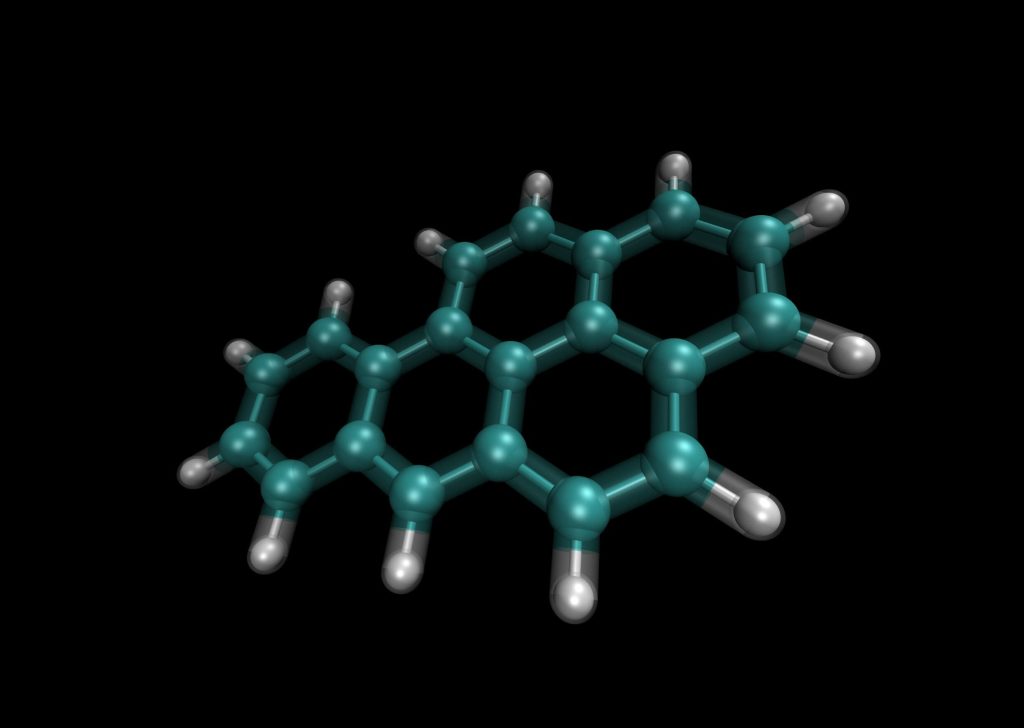
What Are Proteins?
Proteins are large, complex molecules made up of long chains of amino acids. They are essential to life, involved in building tissues, transporting nutrients, regulating enzymes, and supporting immune function. Muscle, skin, enzymes, and hormones are all made from proteins or rely on them.
When you eat protein—like chicken, fish, or legumes—your body breaks it down into amino acids. These amino acids are then reused to build and repair the proteins your body needs to function.
What Are Peptides?
Peptides are shorter chains of amino acids—usually between 2 and 50. Because of their size, peptides are more flexible and fast-acting than full proteins. They act as messengers, signaling specific cells or tissues to take action.
Your body naturally produces thousands of different peptides. Some control the release of hormones. Others influence inflammation, healing, digestion, or metabolism.
As we age, peptide production slows down. That’s one reason recovery, energy, and hormone balance often decline with time.
Peptide therapy involves using medical-grade peptides—many of which are identical to the ones your body already makes—to help restore those natural signals.
Key Differences Between Peptides and Proteins
While both peptides and proteins are made from amino acids, there are major differences in how they function:
-
Size: Peptides are much smaller than proteins, which allows them to act more quickly and precisely.
-
Function: Proteins provide structure and carry out complex jobs. Peptides act more like signals or triggers.
-
Absorption: Because of their size, certain peptides can be absorbed more easily or delivered directly to target tissues.
-
Therapeutic Use: Many peptides are used in targeted therapy to support metabolism, hormone regulation, inflammation, and tissue repair. Proteins are not typically used in this way.
Why This Matters for Your Health
Your body doesn’t just need structure—it needs signals. Peptides help coordinate how your body recovers, grows, and adapts. When those signals decline, you may start to notice changes like:
-
Fatigue or poor recovery
-
Slower metabolism
-
Hormone-related symptoms
-
Brain fog or poor sleep
-
Joint pain or skin changes
Unlike protein supplements, which support general nutrition, peptide therapy works at the signaling level—helping your body do its job more efficiently.
At Bubolo Medical, we offer peptide protocols designed to support metabolism, muscle tone, inflammation control, cognitive health, and hormone balance. These are targeted tools that work with your biology.
Protein vs. Peptides
Proteins and peptides both play essential roles in your body, but they serve different purposes. Proteins are builders. Peptides are messengers.
Understanding this distinction can help you see why peptide therapy is a science-based way to support the systems that keep you healthy, strong, and resilient.

















 Begin the day near the water at
  This 7-mile greenway stretches from Kennesaw Mountain to Marietta’s Town Center. With paved paths, forested sections, and open sky,
  Choose one meal today that supports your energy and digestion. Build it with leafy greens, a source of protein, and healthy fat. A well-balanced meal not only fuels your body but also stabilizes mood and concentration. You don’t need a perfect diet — just one step at a time.
 When your skin feels dull or congested, a Hydrafacial offers gentle, non-invasive cleansing and hydration. It’s a simple way to support your appearance and confidence with no downtime.
  Whether you bike, walk, or just sit on a bench with a book, time on this trail supports both body and mind. Spanning over 60 miles, the