Now offering virtual care!

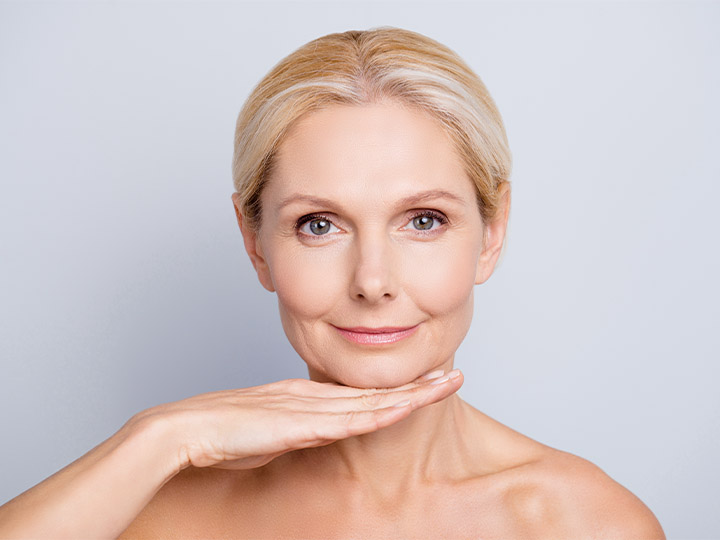
woman with clear, healthy skin

As we journey through life, our skin tells our story – but that doesn’t mean we can’t keep it looking its radiant best as time marches on.

With countless products promising miracles, how do you know which will truly nourish your mature skin and keep yourskin hydrated? If we’re being honest, finding the best facial moisturizer for aging skin is harder than it looks.

Luckily, today, we’re going to deeply analyze the world of moisturizers for mature skin. We understand that your skin’s needs have changed, and we’re here to help you navigate this new chapter with confidence.

Whether you’re dealing with dryness, loss of skin firmness, or simply want to give your skin the tender loving care it deserves, we’ve handpicked the crème de la crème of facial moisturizers.

From rich, nurturing creams that fortify your skin barrier to lightweight gel cream formulas perfect for those with oily skin, we’ve considered every skin type and concern. Our comprehensive review cuts through the noise, offering you trustworthy, expert insights on the products that truly deliver results.

Best for Intense Hydration and Anti-aging Best for Skin Barrier Repair and Post-procedure Recovery Best for Overnight Skin Repair and Rejuvenation
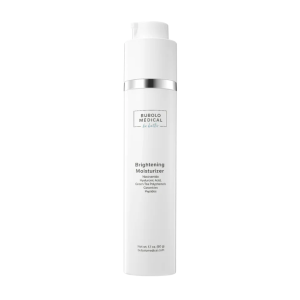
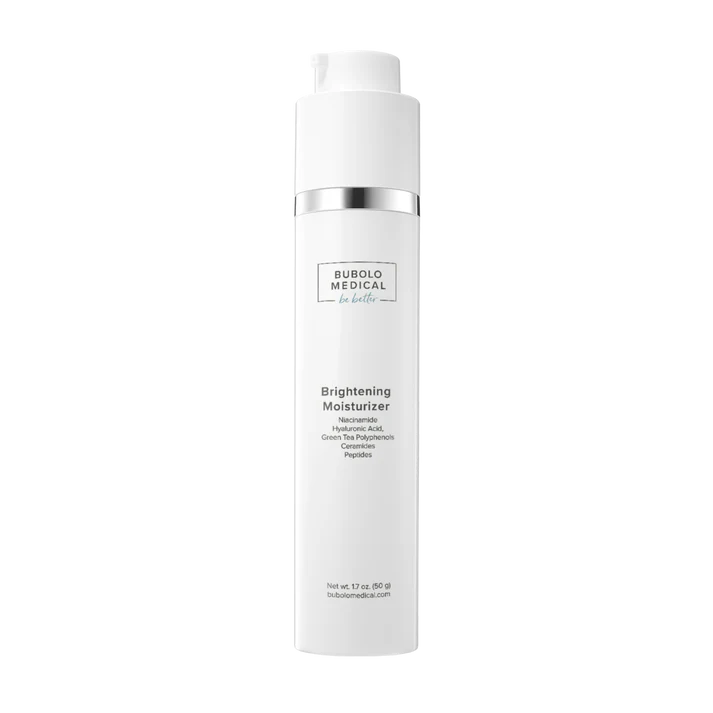
Bubolo Medical Brightening Moisturizer
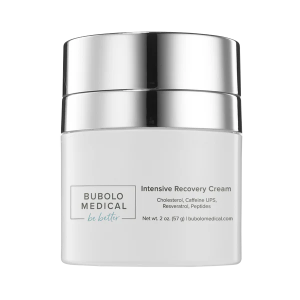
Bubolo Medical Intensive Recovery Cream

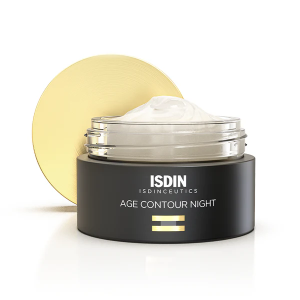
ISDIN Age Contour Night Cream

Bubolo Medical Brightening Moisturizer


Key feature: Smooths fine lines and wrinkles

Standout ingredient: Tetrapeptide-21

Bubolo Medical Intensive Recovery Cream


Key feature: Boosts collagen synthesis

Standout ingredient: Proprietary blend of squalane, cholesterol, and ceramides

ISDIN Age Contour Night Cream


Key feature: Triple-action repair

Standout ingredient: Melatonin

Bubolo Medical Brightening Moisturizer

Bubolo Medical Brightening Moisturizer


The Bubolo Medical Brightening Moisturizer is designed to cater to the needs of aging skin by providing intense hydration and addressing common signs of natural aging.

This moisturizer for mature skin features a rich formulation that includes Niacinamide, dual-form Hyaluronate, and a complex of essential Ceramides, promising to rejuvenate and fortify the skin. Thanks to its balanced formula, it’s suitable for various skin types, including those with oily skin.

This gentle moisturizer’s luxurious and creamy texture makes it easy to apply and quickly absorbed by the skin. It’s particularly beneficial for mature skin that requires extra nourishment and long-lasting hydration.

One of the standout features of Bubolo Medical Brightening Moisturizer is its ability to smooth fine lines and wrinkles, effectively combating aging. The Tetrapeptide-21, along with plant Stem Cells and antioxidants, such as Green Tea Polyphenols and Resveratrol, work together to provide a long-lasting anti-aging effect.

These ingredients reduce the appearance of fine lines and improve skin texture and tone, resulting in a more youthful and radiant complexion.

This moisturizer’s antioxidant properties are particularly noteworthy. Protecting the compromised skin barrier from environmental damage and free radicals helps prevent further aging and maintains a glowing appearance.

This is especially beneficial for those living in urban areas where pollution can significantly impact the skin and accelerate the natural aging process.

Bubolo Medical Intensive Recovery Cream
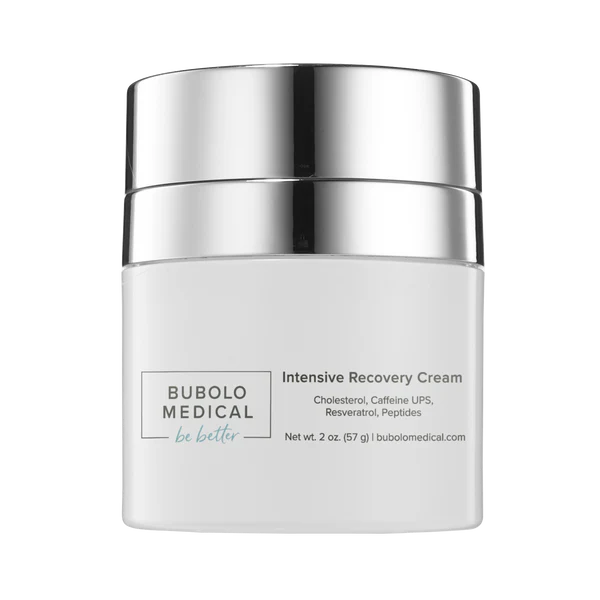
Bubolo Medical Intensive Recovery Cream


The Bubolo Medical Intensive Recovery Cream is a restorative skincare product designed to improve the health and appearance of your skin. It’s an excellent moisturizer for mature skin that addresses multiple concerns associated with skin aging.

This soft cream mimics and enhances the skin’s natural moisture preservation, fortifying the skin against environmental stressors. It’s particularly beneficial for those with a compromised skin barrier or experiencing skin irritation.

This cream features a proprietary blend of squalane, cholesterol, and ceramides, providing immediate soothing and deep hydration. These ingredients are known for replenishing lipids, which are essential for maintaining a healthy and hydrated skin barrier. The formulation boosts collagen synthesis, resulting in visibly firmer and rejuvenated skin.

Innovative ingredients, such as Sodium PCA, Hyaluronic Acid, and Tetrapeptide-21 ensure that the cream moisturizes and repairs the skin. This makes it particularly effective for post-procedure recovery or for addressing compromised skin conditions.

The addition of caffeine, resveratrol, and green tea polyphenols offers a therapeutic approach, reducing inflammation and promoting healing.

Regular use of the Intensive Recovery Cream, especially in combination with retinol treatments, amplifies the product’s efficacy. It enhances skin tolerance to retinol, making the skin more resilient and improving overall results.

ISDIN Age Contour Night Cream
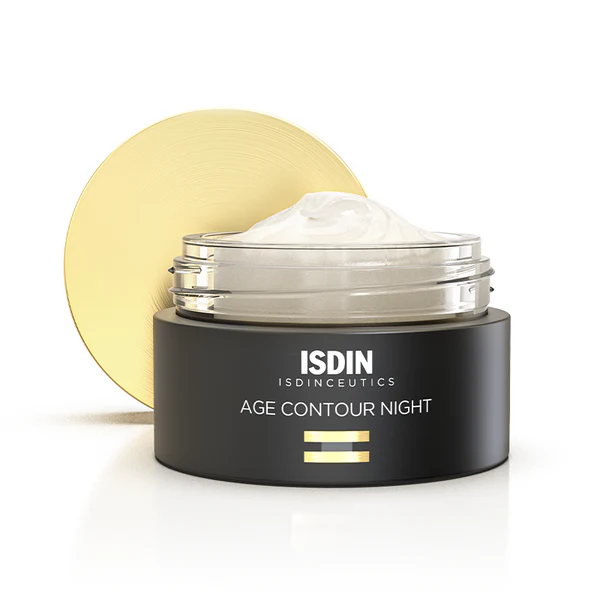
ISDIN Age Contour Night Cream


ISDIN Age Contour Night Cream is a luxurious and restorative cream specifically designed for the face and neck. Its formulation is rich in antioxidants, melatonin, and peptides, offering a potent blend of ingredients that provide triple-action repair. This lightweight cream is ideal for those looking to undo the damage of the day, reduce visible signs of mature skin, and calm the skin cells overnight.

The combination of melatonin, peptides, and antioxidants targets visible signs of aging by repairing daily skin damage and promoting a smoother, more youthful complexion. This night cream deeply moisturizes and plumps the skin, effectively reducing the appearance of fine lines and wrinkles.

By supporting collagen and elastin production, ISDIN Age Contour Night Cream improves skin elasticity and helps to define facial contours. The cream calms and comforts the skin overnight, minimizing potential irritation and leaving the skin feeling refreshed.

It is suitable for all skin types, including sensitive skin, making it suitable for any skincare routine.

The luxurious formula melts into the skin, working tirelessly while you sleep to diminish the look of wrinkles and fine lines, restore a radiant, healthy glow, improve skin texture and suppleness, and visibly firm and lift facial contours.

ISDIN Age Contour Face and Neck Firming Cream
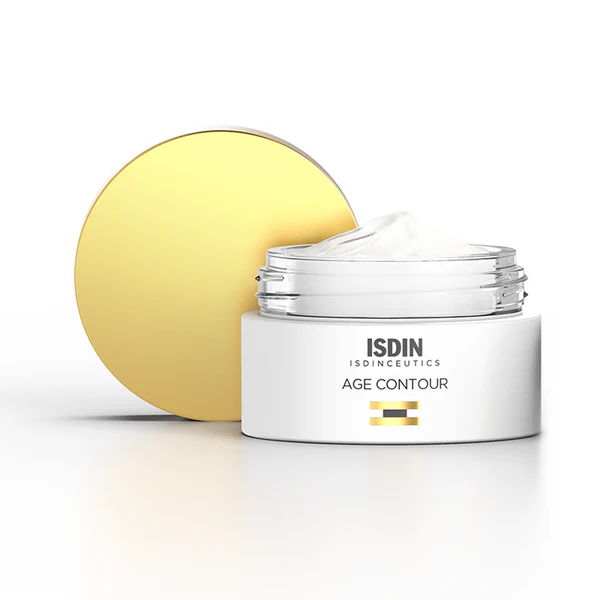
 ISDIN age contour


ISDIN Age Contour Face and Neck Firming Cream is a luxurious moisturizing cream designed to firm and hydrate the face and neck. Its rich formula offers advanced moisturizing and skin-tightening properties while protecting against the damaging effects of pollution. This cream effectively reduces the visible appearance of fine lines and wrinkles, redefining the neck and jawline for visibly smoother, firmer skin.

The advanced firming action of ISDIN Age Contour targets sagging skin with an innovative complex that boosts collagen and elastin production, creating a visibly lifted and more sculpted appearance. Rich in hyaluronic acid, it plumps the skin, smooths wrinkles, and locks in long-lasting moisture for a refreshed, dewy look.

Additionally, it forms a protective barrier against environmental stressors and combats the damaging effects of glycation, keeping skin firm and supple. The luxurious, non-comedogenic formula is suitable for all skin types, including sensitive skin.

ISDIN Age Contour Face and Neck Firming Cream goes beyond just moisturizing. Users can expect firmer, more defined facial contours, improved elasticity, and reduced sagging, particularly around the jawline and neck. The cream diminishes the appearance of wrinkles and fine lines, provides a healthy radiance, and offers protection against everyday environmental damage.

While both ISDIN Age Contour Night Cream and ISDIN Age Contour Face and Neck Firming Cream provide excellent anti-aging benefits, they cater to slightly different needs. The Night Cream focuses on overnight repair and hydration with melatonin and peptides, making it ideal for restoring and calming the skin during sleep.

In contrast, the Face and Neck Firming Cream offers advanced firming and protection against pollution, making it perfect for daily use to combat sagging and environmental damage.

What to Look for in the Best Facial Moisturizers for Aging Skin

Choosing the best facial moisturizer for aging skin involves understanding the key ingredients and benefits that address the unique needs of mature skin. Our skin undergoes various changes as we age, such as reduced collagen production, decreased elasticity, and increased dryness.

To combat these signs of aging effectively, a high-quality facial moisturizer should incorporate specific features and ingredients.

Here’s what to look for:

Advanced Firming Action of Skin Barrier

Products that promote collagen and elastin production benefit aging skin greatly.

Ingredients like peptides and advanced complexes in moisturizers can help firm sagging skin, redefine facial contours, and create a more lifted, sculpted appearance.

Tip: Choose products that work together to address your specific skincare needs rather than duplicating the same ingredients across multiple items. For example, if you are already using a standalone retinol serum, you likely don’t need a face cream that also contains retinol. The same principle applies to other ingredients that slow down aging.

Deep Hydration of Mature Skin

Mature skin often experiences increased dryness, which can accentuate fine lines and wrinkles. Look for moisturizers rich in hydrating ingredients such as hyaluronic acid, which plumps the skin and locks in long-lasting moisture. This helps to smooth wrinkles and give the skin a refreshed dewy appearance.

Antioxidant Protection and Improved Skin Texture

Antioxidants protect the skin from environmental stressors and free radicals that accelerate aging. Ingredients like melatonin and other antioxidants can repair daily skin damage and promote a smoother, more youthful complexion.

Incorporating antioxidants into your skincare routine helps to combat the visible signs of aging and improve skin texture.

Pollution Protection

In today’s environment, pollution can significantly impact the skin, leading to premature aging.

Look for moisturizers that form a protective barrier against environmental damage. These products shield the skin from harmful external factors and help preserve its youthful appearance.

Anti-Glycation Technology

Glycation is a process where sugar molecules bind to proteins like collagen and elastin, causing them to become stiff and less functional. This contributes to sagging and loss of elasticity.

Moisturizers with anti-glycation technology help combat this process, keeping the skin firm and supple.

Note: Even hypoallergenic products can cause a skin reaction. To test a product, apply a small amount to your inner forearm. Repeat this twice a day for four to five days. If your skin remains free of redness, itching, and other reactions, it is safe to apply it to your face and other areas.

Application Tips for Maximum Benefits

Applying facial moisturizers correctly can significantly enhance their effectiveness, ensuring that your skin reaps the maximum benefits from the active ingredients.

Here are some expert-recommended tips to help you get the most out of your anti-aging facial moisturizers:

Start with Clean Skin

Always begin your skincare routine with a clean face. Use a gentle cleanser to remove makeup, dirt, and impurities. This helps to create a fresh canvas, allowing the moisturizer to penetrate more effectively.

Use a Toner

After cleansing, apply a toner to balance your skin’s pH levels and prepare it for the moisturizer. Toners can also help to remove any residual impurities and tighten pores, making the skin more receptive to subsequent products.

Apply Moisturizer on Damp Skin

Applying moisturizer to slightly damp skin can help lock in extra moisture. After cleansing and toning, lightly pat your face with a towel, leaving it a bit damp before applying your moisturizer. This helps to seal in the hydration and enhances absorption.

Application Tip: You will likely need to use the wrinkle cream once or twice a day for several weeks before seeing any noticeable changes in your skin. Additionally, if you stop using the product, your skin is likely to revert to its previous condition.

Apply in Upward Motions

When applying moisturizer for mature skin, use gentle, upward strokes to massage the product into your skin. This technique helps to stimulate circulation and prevent tugging or pulling on the skin, which can contribute to sagging over time. Focus on areas prone to dryness and fine lines, such as around the eyes and mouth.

Don’t Forget the Neck and Décolleté

The neck and décolleté are often neglected but can show signs of aging just as much as the face. Extend your moisturizing routine to these areas to maintain a consistent and youthful appearance.

Layer Products Correctly

If you use additional skincare products like serums, eye creams, or treatments, apply them in the correct order. Typically, the rule is to apply products from the thinnest to the thickest consistency.

Apply serums and treatments first, followed by eye cream, and finish with your moisturizer.

Allow Time for Absorption

Give your moisturizer time to absorb into your skin before applying makeup or other products.

Waiting a few minutes ensures that the active ingredients have penetrated the skin properly and prevents pilling or interference with makeup application.

Use Sunscreen During the Day

If you’re applying moisturizer in the morning, follow it up with a broad-spectrum sunscreen with at least SPF 30. This protects your skin from harmful UV rays, which can accelerate aging and counteract the benefits of your anti-aging products.

Expert Guidance for Youthful, Radiant Skin at Any Age

Taking care of your mature skin is not just about products—it’s about embracing a level of care that truly nurtures and rejuvenates.

At Bubolo Medical, we understand that your skin is as unique as you are, which is why our service goes beyond just selling products. We’re committed to providing personalized skincare solutions that match the needs and concerns of your mature skin.

Our team’s warm personality and dedication to customer care ensure that you’ll receive support and guidance every step of your skincare journey. Whether you’re dealing with fine lines, dryness, or loss of firmness, we’re here to help you find the perfect moisturizer to bring out the best in your skin.

Don’t let aging skin hold you back. Take the first step towards radiant, youthful-looking skin today by exploring our carefully curated selection of top-tier moisturizers. Your skin deserves the best, and at Bubolo Medical, that’s precisely what we aim to provide.
Share this blog

Retinol may be the secret ingredient to youthful-looking skin. However, to get the miracle results everyone is always talking about, you need to use the correct retinol routine.

Believe it or not, the difference between applying retinol before or after moisturizer could be the key to unlocking its full potential.

Discover a well-rounded skincare routine for applying retinol serum and moisturizer, expert advice, and practical tips for using retinol on oily, dry or sensitive skin.

Whether you’re a retinol novice or a seasoned user looking to perfect your routine, understanding each step’s significance will keep your skin glowing and well-nourished.

Let’s see how you can transform your skincare game forever.

Should You Apply Retinol Before or After Moisturizer?

woman applying moisturizer

Retinol before or after moisturizer, you ask?

Before.

When you use retinol cream before moisturizing, you increase its effectiveness. By adding a layer of moisturizer, you seal in the retinol and minimize the risk of potential skin irritation or dryness.

Lastly, apply moisturizer if you want to replenish and maintain skin hydration, which is crucial when using retinol, known for its drying effects.

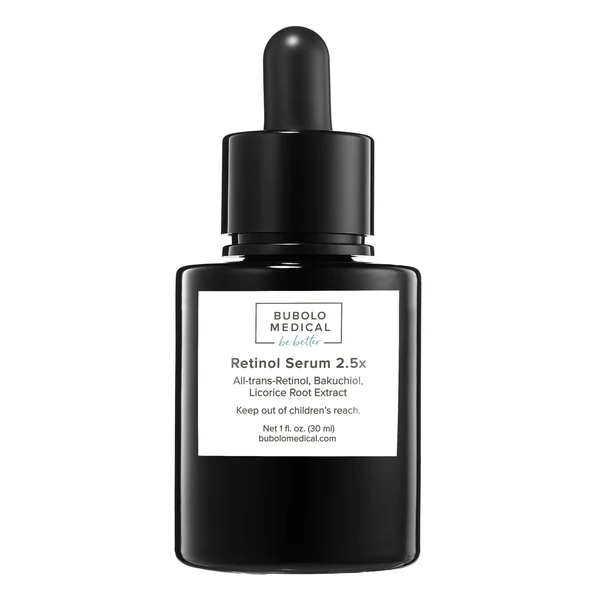
Retinol Serum 2.5x


Bakuchiol, a natural retinol alternative, works synergistically with retinol to reduce irritation while boosting results. The combination of retinol and Bakuchiol allows for effective treatment with reduced risk of irritation, making it ideal for those with sensitive skin.

Step-By-Step Retinol Serum Application Guide

Applying retinol correctly in your skincare routine is essential for maximizing its benefits while minimizing potential irritation.

Here’s a detailed guide on the correct sequence of applying retinol and moisturizer:

Step 1. Cleanse Your Face

Start with a gentle cleanser to remove any dirt, oil, and makeup. Cleansing prepares your skin to absorb the retinol more effectively.

Step 2. Pat Dry

Gently pat your face dry with a clean towel. Ensure your skin is completely dry before applying retinol, as damp skin can increase the risk of irritation.

Step 3. Apply Retinol

Use a pea-sized amount of retinol. This is usually sufficient for your entire face.

Dab small dots of retinol on your forehead, cheeks, chin, and nose. Gently spread it evenly across your face, avoiding the eye area and corners of the mouth.

Step 4. Wait a Few Minutes

Allow the retinol to absorb into your skin for a few minutes. This step is crucial as it ensures the retinol penetrates effectively.

Step 5. Apply Moisturizer

Choose a hydrating, non-comedogenic moisturizer to lock in moisture and create a protective barrier.

Apply a generous amount of gentle moisturizer over your entire face to help mitigate any dryness or irritation caused by the retinol.

Usage Tip: Use only one retinol product at a time to avoid over-irritation.

What Is Retinol and How Does It Work?

@bubolomedical Have you added retinol to your skincare routine? #aesthetics #skincareroutine #retinol #retinolskincare #skincaretips ♬ Jacob and the Stone (Slowed) – Emile Mosseri & sped up + slowed

Retinol, a derivative of vitamin A, is your skin’s secret weapon against aging. This powerhouse ingredient works tirelessly to promote skin cell turnover and boost collagen production, giving you the youthful glow you’ve always wanted. Let’s dive into how retinol can transform your skin.

  • Reduces fine lines and wrinkles: Retinol use stimulates collagen production, which is essential for maintaining skin elasticity and firmness. It also reduces the appearance of fine lines and wrinkles. According to a National Library of Medicine study, 0.4% retinol cream used for 12 weeks significantly improvedskin texture and reduced wrinkles.
  • Clears acne: If you have acne prone skin, retinol unclogs pores and prevents acne formation. It’s so effective that dermatologists consider it a first-line treatment for mild to moderate acne.
  • Improves skin hydration: Retinol enhances the skin barrier function, increasing hydration and reducing dryness. Pair with a hyaluronic acid serum for a plump finish.
  • Reduces hyperpigmentation: Retinol application inhibits melanin production, evening out skin tone, and reduces uneven skin tone caused by dark spots.

Applying retinol penetrates your skin’s outer layer and converts to retinoic acid in the middle layer. This active form then works its magic, accelerating skin cell turnover and boosting collagen production.

While retinol is incredibly effective, it’s important to note that some people may experience irritation at the start. But don’t worry — experts are developing new delivery systems, such as nanoparticles, to make retinol more tolerable for everyone. You can also consider using products combining glycerin and hyaluronic acid to help combat dryness.

Are There Any Exceptions to the General Rule?

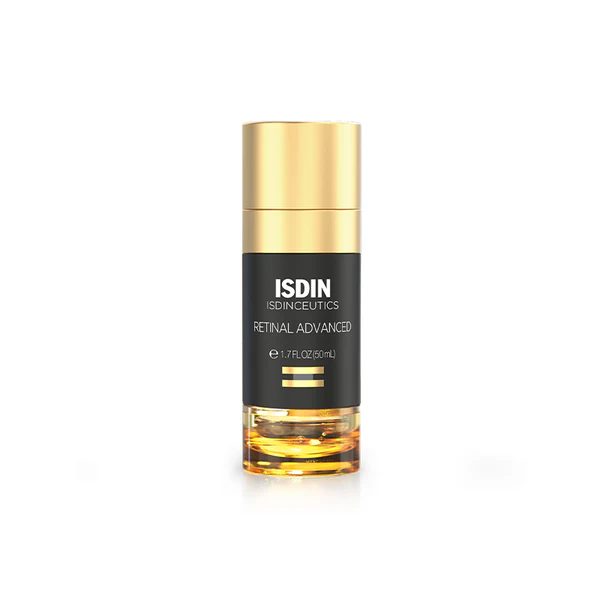
Retinal Advanced


When applying retinol and moisturizer, the general rule is to use retinol first, followed by moisturizer.

However, there are exceptions to this rule that can help you tailor your skincare routine to your specific needs and skin type.

Sensitive Skin

If you have sensitive skin, applying retinol directly on skin can sometimes cause irritation, redness, or peeling.

In this case, you can apply a moisturizer first. This method, known as the “buffering” technique, helps to dilute the retinol and reduce its potency, making it gentler on sensitive skin.

Start with a gentle cleanser to remove any dirt and oil. Apply a thin layer of your regular moisturizer. Wait a few minutes for the moisturizer to absorb, then apply your retinol product.

Dry Skin

The buffering technique can also be beneficial for those with dry skin. Dry skin can be more prone to irritation from retinol, so applying a moisturizer first can help mitigate this issue.

Use a hydrating cleanser to avoid stripping your skin of natural oils. Apply a rich, hydrating moisturizer. Lastly apply your retinol after the moisturizer is absorbed.your retinol.

New Users

If you’re new to retinol, your skin may need time to adjust. Starting with the buffering technique can help your skin gradually build tolerance to it.

Use a mild cleanser suitable for your skin type. Apply a light layer of moisturizer. Once the moisturizer is absorbed, apply a small amount of retinol.

Warning: Using high doses of retinol may be linked to an increased risk of developing skin cancer. Ensure you wear sunscreen and avoid direct sunlight with protective clothing and hats while using retinol products.

Practical Tips for Applying Retinol

  • Patch Test: Before incorporating retinol into your routine, perform a patch test on a small area of your skin to check for any adverse reactions.
  • Nighttime Use: Retinol can make your skin more sensitive to sunlight, so it’s best to use it as part of your night time skincare routine.
  • Sun Protection: Always apply broad-spectrum sunscreen during the day, as retinol can increase your skin’s sensitivity to UV rays.

What is the Recommended Frequency for Beginners?

When starting with retinol, it’s crucial to introduce it gradually to allow your skin to build tolerance and minimize potential irritation.

Here’s a step-by-step guide on how often beginners should apply retinol:

Start Slow

Begin by applying retinol once a week to allow your skin to adjust to the new ingredient without overwhelming it.

Monitor Your Skin

Pay close attention to how your skin reacts. Look for signs of irritation, such as redness, dryness, or peeling.

Increase Frequency Gradually

If your skin tolerates the initial application well, increase the frequency to twice a week after two weeks. Continue to monitor your skin’s response.

Build Up to Regular Use

Over the next few weeks, gradually increase the frequency to every other night. Eventually, if your skin can handle it without adverse reactions, aim for nightly use.

Skincare Products That Can Be Used With Retinol

When incorporating retinol into your skincare routine, it’s essential to know which products can be used alongside it to maximize benefits and minimize potential irritation.

Here are some products that pair well with retinol:

Hyaluronic Acid

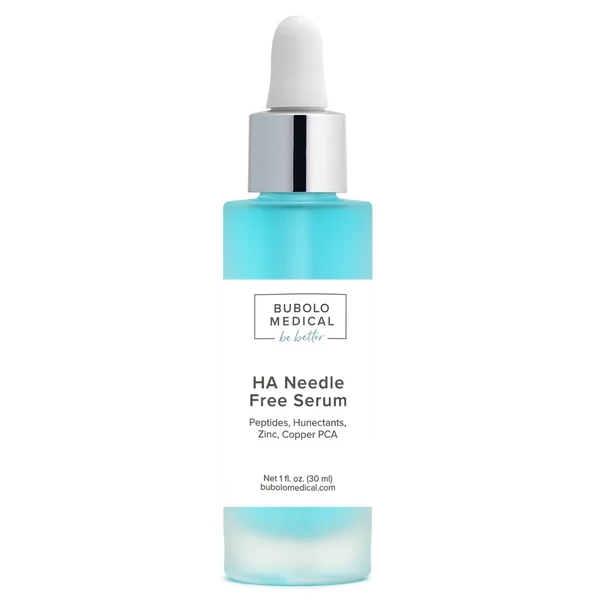
HA needle-free serum


This hydrating ingredient is a perfect companion to retinol.

Hyaluronic acid helps to draw moisture into the skin, counteracting the dryness that retinol can sometimes cause. Apply hyaluronic acid after retinol to lock in hydration.

Niacinamide

Niacinamide is known for its anti-inflammatory properties and can help soothe the skin and reduce redness. It also strengthens the skin barrier, making it more resilient to the potential irritation from retinol. You can apply niacinamide before or after retinol, depending on your preference.

Peptides

These amino acids help to boost collagen production and improve skin elasticity.

Peptides can be used in conjunction with retinol to enhance anti-aging benefits. Apply peptide serums after retinol to support skin repair and rejuvenation.

Ceramides

These lipids are crucial for maintaining the skin’s barrier function.

Using ceramide-infused products can help protect the skin and prevent moisture loss. Apply ceramide creams or serums after retinol to reinforce the skin barrier.

Moisturizers

brightening moisturizer


A good moisturizer is essential when using retinol. It helps seal moisture and reduce the risk of dryness and irritation. Apply a moisturizer after retinol to ensure your skin stays hydrated and comfortable.

Skin Care Tip: When it comes to skincare, less is more. Using too many products, especially multiple anti-aging ones, can irritate your skin. Focus on the basics instead. Establish morning and nighttime routines that work well for your skin, and stick with them.

Are There Any Products I Should Avoid When Using Retinol?

When incorporating retinol into your skincare routine, you must be mindful of other products you use to avoid potential irritation or reduced efficacy.

Here are some products and ingredients to avoid when using retinol:

Exfoliants

Alpha Hydroxy Acids (AHAs) and Beta Hydroxy Acids (BHAs): These chemical exfoliants can increase skin sensitivity and irritation when used with retinol. Alternating their use or consulting a dermatologist for a tailored routine is best.

Physical Exfoliants: Scrubs and brushes can cause micro-tears and exacerbate irritation when combined with retinol. Opt for gentle cleansing methods instead.

Benzoyl Peroxide

This acne-fighting ingredient can deactivate retinol, reducing its effectiveness. If you need both, consider applying benzoyl peroxide in the morning and retinol at night.

Vitamin C

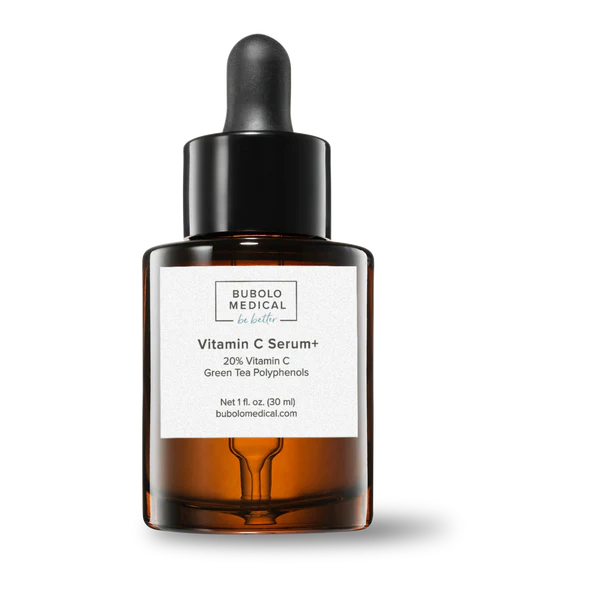
vitamin C serum+


While both are powerful anti-aging ingredients, using them together can be irritating. Use vitamin C in the morning and retinol at night to maximize their benefits without compromising skin health.

Fragrance and Essential Oils

Products with added fragrances or essential oils can irritate the skin, especially when combined with retinol. Opt for fragrance-free formulations to minimize the risk of adverse reactions.

Alcohol-Based Products

Toners or astringents containing alcohol can dry out the skin, increasing sensitivity when using retinol. Choose hydrating and soothing alternatives to maintain skin balance.

Tailored Retinol Treatments Backed by Warm, Dedicated Service

As we’ve uncovered the secrets of retinol application, remember that your skincare journey is unique. Whether you choose to apply retinol before or after moisturizer, the key lies in understanding your skin’s needs.

With advanced formulations, such as retinol serums enhanced with bakuchiol and pro-penetrant systems, you’re not just applying a product – you’re embracing a revolution in skin health.

Unlock the potential of your skincare routine with our Advanced Retinol product featuring Bakuchiol and Pro-Penetrant System. This powerful combination ensures deeper penetration of active ingredients, effectively stimulating collagen production for firmer skin.

With a focus on delivering top-level care, our team of experts at Bubolo Care is dedicated to helping you achieve your skincare goals with the highest level of service and a warm, welcoming personality. Discover the secret to radiant, youthful-looking skin.

Share this blog

Hair loss is a common concern for both men and women. It can be caused by a variety of factors, including genetics, hormones, and aging. While there is no one-size-fits-all solution, hair transplants have become a popular option for those seeking to restore their hair.

In this article, we will provide a comprehensive overview of hair transplants, including:

  • The causes of hair loss
  • What hair transplants are and how they work
  • The benefits of hair transplants
  • What to expect during a hair transplant procedure
  • Who is a good candidate for hair transplants

Causes of Hair Loss

Hair loss can be caused by a number of factors, including:

  • Genetics: Androgenetic alopecia, also known as male pattern baldness or female pattern hair loss, is the most common cause of hair loss. It is hereditary and is caused by a sensitivity to the hormone dihydrotestosterone (DHT).
  • Hormones: Changes in hormone levels, such as those that occur during pregnancy, childbirth, and menopause, can also lead to hair loss.
  • Medical conditions: Certain medical conditions, such as thyroid disease, lupus, and alopecia areata, can also cause hair loss.
  • Medications: Some medications, such as chemotherapy drugs and blood thinners, can cause hair loss as a side effect.
  • Stress: Severe stress can also contribute to hair loss.  

What are Hair Transplants and How Do They Work?

Hair transplants are a surgical procedure that involves removing hair follicles from one part of the scalp (the donor area) and transplanting them to another part of the scalp (the recipient area) where hair loss has occurred.

The main hair transplant procedure we focus on is FUE:

  • Follicular unit extraction (FUE): In FUE surgery, individual follicular units are extracted directly from the donor area using a small punch tool. The follicular units are then transplanted to the recipient area.

Benefits of Hair Transplants

Hair transplants offer a number of benefits, including:

  • Natural-looking results: Hair transplants can provide a natural-looking hairline and can significantly improve the appearance of hair loss.
  • Permanent results: Hair transplants are a permanent solution to hair loss. The transplanted hair follicles will continue to grow hair for the rest of your life.
  • Minimally invasive: Hair transplant procedures are minimally invasive and typically require only local anesthesia.
  • Short recovery time: Most people can return to work and normal activities within a few days of having a hair transplant procedure.

What to Expect During a Hair Transplant Procedure

A hair transplant procedure is typically performed on an outpatient basis. The specific details of the procedure will vary depending on the type of hair transplant being performed and the individual patient’s needs. However, the general steps involved in a hair transplant procedure include:

  • Consultation: During the consultation, the doctor will discuss your hair loss goals and determine if you are a good candidate for hair transplants.
  • Scalp preparation: The scalp will be shaved or trimmed in the donor and recipient areas.
  • Anesthesia: Local anesthesia will be administered to numb the scalp.
  • Hair follicle extraction: The hair follicles will be extracted from the donor area.
  • Hair follicle transplantation: The hair follicles will be transplanted to the recipient area.
  • Bandaging: The scalp will be bandaged.

Who is a Good Candidate for Hair Transplants?

Hair transplants are not for everyone. The best candidates for hair transplants are men and women who have a stable pattern of hair loss and who have healthy hair growth in the donor area.

Ready to Learn More?

If you are considering hair transplants, we encourage you to schedule a free consultation with our hair transplant specialists HERE. During the consultation, we will discuss your hair loss goals and determine if hair transplants are right for you.

Share this blog
Scroll to Top