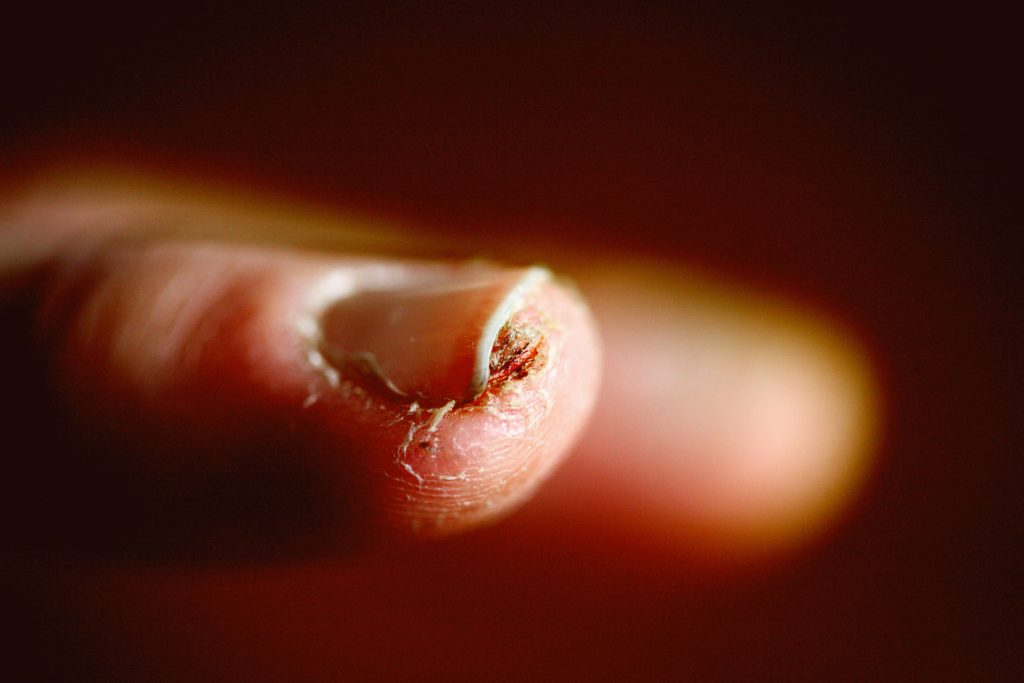
If your skin is acting up, your sleep is off, and your sex drive has disappeared, it might be more than just a busy schedule. These are often the earliest signs of burnout—something we see frequently in women at Bubolo Medical’s Marietta and Acworth clinics.

Many of our patients are doing all the “right” things—eating well, exercising, staying productive—but still feel drained. The truth is, burnout doesn’t just impact your energy levels. It disrupts your hormones, your nervous system, and your body’s ability to restore itself.
Your complexion, sleep quality, and libido are often the first areas to show signs that something’s off. Here’s how to recognize the signals and what you can do to feel like yourself again.
Burnout and Your Skin
When you’re stressed, your skin feels it too. Stress activates certain immune cells in the skin called mast cells. These cells release more stress hormones and inflammation, which can lead to redness, breakouts, itching, or flare-ups of chronic skin conditions.
This creates a cycle where stress causes skin issues—and those skin issues cause even more stress.
In fact, researchers have found that stress-triggered mast cells are linked to several skin conditions, including acne, eczema, psoriasis, and chronic itch.

Burnout and Sleep
Burnout can hijack your sleep—even if you’re going to bed on time. Common complaints include:
-
Difficulty falling asleep
-
Waking in the early morning hours and not falling back asleep
-
Feeling groggy despite getting 7–8 hours of sleep
-
“Tired but wired” sensations at night
When the body is in a chronic state of stress, it becomes harder to switch into rest mode. Cortisol stays high when it should be dropping, and melatonin—the hormone that helps you sleep—is suppressed. Over time, this can lead to adrenal imbalances and chronic fatigue.
We help patients regulate their sleep by supporting hormone rhythms, reducing inflammation, and targeting nervous system imbalances.
Burnout and Libido
A healthy libido isn’t just about sex—it’s a reflection of your hormone health and emotional well-being. When it suddenly disappears, it’s often your body’s way of saying it’s overwhelmed.
You might feel:
-
A sharp drop in interest or intimacy
-
Irritability around physical closeness
-
Low energy or emotional detachment
-
Physical discomfort during intimacy
Chronic stress lowers sex hormones like estrogen, testosterone, and DHEA. These changes can also lead to vaginal dryness, mood shifts, and a sense of disconnection. Addressing the underlying imbalance—rather than just the symptom—can restore desire naturally and safely.
What Ties It All Together
Skin, sleep, and sex drive might seem unrelated, but they’re all regulated by the same two systems: your hormones and your nervous system.
When stress becomes chronic, it disrupts the balance of cortisol, estrogen, progesterone, thyroid hormones, and testosterone. It also keeps your nervous system stuck in fight-or-flight mode. This creates a loop that leaves your body constantly inflamed, depleted, and overstimulated.
At Bubolo Medical, we approach burnout recovery with real solutions. We begin with in-depth evaluations, including hormone panels, cortisol testing, and nutrient screenings. From there, we create a care plan designed to restore balance and support long-term well-being.
What We Offer for Burnout Recovery
Our integrative approach may include:
-
Hormone optimization based on advanced testing
-
Nutritional and adrenal support for cortisol balance
-
Targeted supplements for skin, mood, and metabolism
-
Stress regulation tools
-
Supportive aesthetic services to restore skin confidence
-
Personalized programs for intimacy and sexual wellness
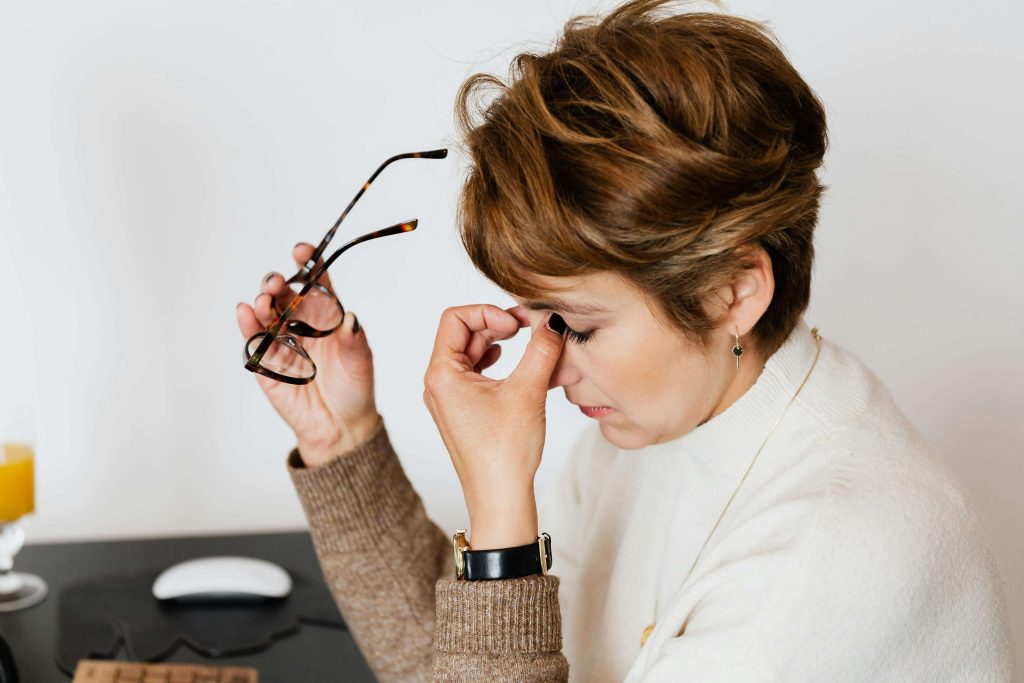
Are You in Burnout?
You may be dealing with burnout if you notice any combination of these:
-
Persistent fatigue, even after a full night of sleep
-
Skin that’s red, reactive, or suddenly aging faster
-
Low libido or emotional distance in relationships
-
Mood swings or irritability
-
Changes in your cycle or PMS symptoms
-
Heavy reliance on caffeine or sugar to get through the day
Even if you’re not emotionally “burned out,” your body may be signaling it needs more support.
What You Can Do Now
If you’re just starting to notice the signs of burnout, try these foundational steps:
- Prioritize sleep with a wind-down routine and screen-free evenings. Magnesium glycinate may help promote restfulness.
- Eat for hormone stability by focusing on protein, fiber, and healthy fats to keep blood sugar and cortisol balanced.
- Swap high-intensity workouts for low-impact movement like yoga, walking, or stretching.
- Schedule a hormone evaluation if you suspect your fatigue, low libido, or skin changes aren’t improving.
Start Your Burnout Recovery in Marietta or Acworth
Burnout recovery isn’t about doing more—it’s about doing the right things. At Bubolo Medical, we help women across Cobb County and Metro Atlanta restore energy, sleep, and hormonal balance with personalized care that works.
If your skin, sleep, or libido have changed—and you feel like something’s off—don’t wait. The earlier you support your system, the faster you can feel like yourself again.
Schedule Your Consultation Today or call us at (770) 975‑1299