Now offering virtual care!

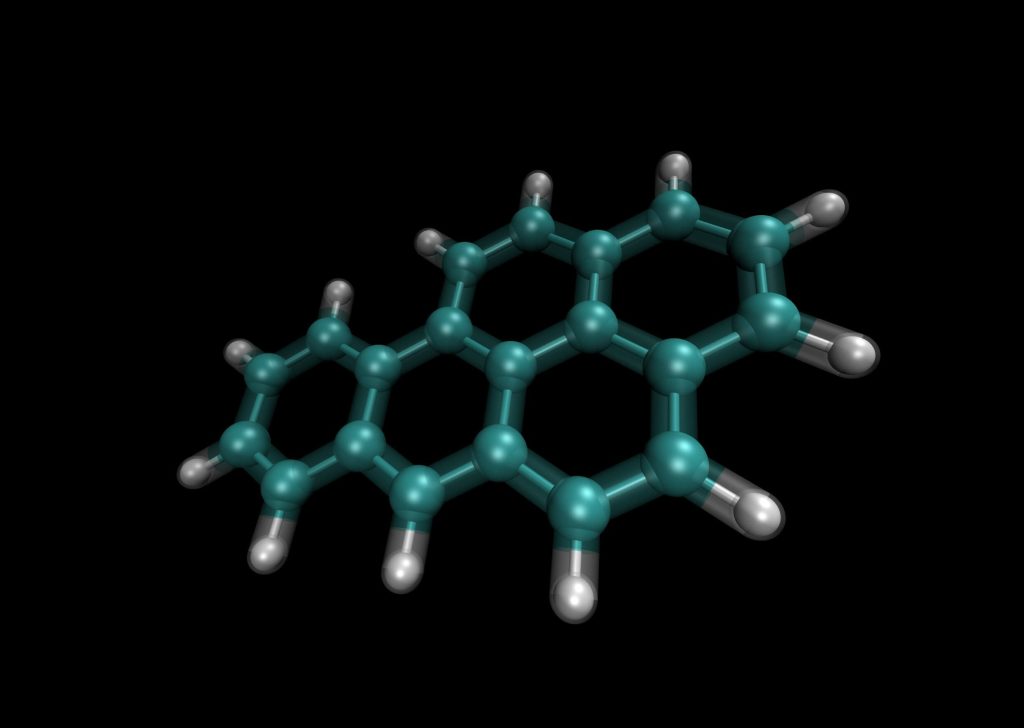
If you’ve looked into skin health, hair loss, or tissue repair, you may have come across a peptide called GHK-Cu. It’s a copper-binding compound naturally found in the body, and it plays a key role in how we heal and regenerate—especially as we age.

At Bubolo Medical, GHK-Cu is one of the peptides we use to support visible repair, cellular recovery, and long-term skin and tissue health.

What is GHK-Cu?

GHK-Cu is short for glycyl-L-histidyl-L-lysine with copper. It’s a naturally occurring peptide that helps the body repair damaged tissue. Over time, GHK-Cu levels decline, which may contribute to signs of aging like thinning skin, slower healing, or hair loss.

When used as part of peptide therapy, GHK-Cu may help restore some of that lost signaling—supporting healthy skin, joints, and even internal tissues.

What It May Help With

GHK-Cu is most often used for:

  • Supporting skin repair and visible aging

  • Encouraging hair growth in areas of thinning

  • Improving skin firmness, texture, and tone

  • Helping reduce inflammation and oxidative stress

  • Supporting tissue healing after injury, strain, or aging-related damage

It’s commonly included in peptide protocols for people experiencing skin aging, post-surgical healing, or long-term inflammation.

Who Might Benefit

GHK-Cu may be a good option for adults who:

  • Are noticing changes in skin or hair quality

  • Have ongoing issues with inflammation or joint stiffness

  • Want to support healing from the inside out

  • Are building a preventive plan for healthy aging

At Bubolo, it’s part of our Glow & Repair Stack, which focuses on recovery, cellular balance, and visible repair.

How We Use It at Bubolo Medical

GHK-Cu is used alongside other peptides that target inflammation, healing, and cellular stress. This combination approach allows us to support multiple areas at once—from skin and hair to joints and energy. Every patient’s plan is personalized based on goals, symptoms, and lab results.

Ready to start your peptide journey? Schedule a consultation today.

Share this blog

Most people have heard of proteins—especially when it comes to nutrition and fitness. But peptides? Less familiar. Still, peptides play a crucial role in how your body heals, ages, and performs.

Understanding the difference between peptides and proteins can help you make more informed decisions about your health, especially if you’re exploring options like peptide therapy to support metabolism, hormone signaling, or longevity.

What is the difference between peptides and proteins? Answered by Atlanta peptide therapy provider

What Are Proteins?

Proteins are large, complex molecules made up of long chains of amino acids. They are essential to life, involved in building tissues, transporting nutrients, regulating enzymes, and supporting immune function. Muscle, skin, enzymes, and hormones are all made from proteins or rely on them.

When you eat protein—like chicken, fish, or legumes—your body breaks it down into amino acids. These amino acids are then reused to build and repair the proteins your body needs to function.

What Are Peptides?

Peptides are shorter chains of amino acids—usually between 2 and 50. Because of their size, peptides are more flexible and fast-acting than full proteins. They act as messengers, signaling specific cells or tissues to take action.

Your body naturally produces thousands of different peptides. Some control the release of hormones. Others influence inflammation, healing, digestion, or metabolism.

As we age, peptide production slows down. That’s one reason recovery, energy, and hormone balance often decline with time.

Peptide therapy involves using medical-grade peptides—many of which are identical to the ones your body already makes—to help restore those natural signals.

Key Differences Between Peptides and Proteins

While both peptides and proteins are made from amino acids, there are major differences in how they function:

  • Size: Peptides are much smaller than proteins, which allows them to act more quickly and precisely.

  • Function: Proteins provide structure and carry out complex jobs. Peptides act more like signals or triggers.

  • Absorption: Because of their size, certain peptides can be absorbed more easily or delivered directly to target tissues.

  • Therapeutic Use: Many peptides are used in targeted therapy to support metabolism, hormone regulation, inflammation, and tissue repair. Proteins are not typically used in this way.

Why This Matters for Your Health

Your body doesn’t just need structure—it needs signals. Peptides help coordinate how your body recovers, grows, and adapts. When those signals decline, you may start to notice changes like:

  • Fatigue or poor recovery

  • Slower metabolism

  • Hormone-related symptoms

  • Brain fog or poor sleep

  • Joint pain or skin changes

Unlike protein supplements, which support general nutrition, peptide therapy works at the signaling level—helping your body do its job more efficiently.

At Bubolo Medical, we offer peptide protocols designed to support metabolism, muscle tone, inflammation control, cognitive health, and hormone balance. These are targeted tools that work with your biology.

Protein vs. Peptides

Proteins and peptides both play essential roles in your body, but they serve different purposes. Proteins are builders. Peptides are messengers.

Understanding this distinction can help you see why peptide therapy is a science-based way to support the systems that keep you healthy, strong, and resilient.

Share this blog

Muscle growth gets harder with age. Even if you’re training and eating well, it becomes more difficult to build and keep lean muscle. Recovery slows down. Hormone levels shift. Fatigue sets in faster than it used to.

At Bubolo Medical, we offer peptide therapy that supports muscle growth by improving hormone signaling, speeding up recovery, and helping the body repair at a cellular level. These are medical peptides used under physician guidance, and they’re part of a larger approach to strength, performance, and long-term health.

Here’s what you should know about how peptide therapy supports muscle growth and which peptides we use.

peptides for muscle growth, peptides in atlanta ga area at Bubolo Medical

Why Muscle Gets Harder to Maintain

Most people start losing muscle in their 30s. It happens gradually, but the effects become more noticeable with age. Slower recovery, lower testosterone, reduced growth hormone, and chronic inflammation all play a role. So does mitochondrial decline, which affects how your body uses energy.

This doesn’t just impact how strong you feel. Muscle loss is tied to slower metabolism, higher injury risk, and reduced quality of life over time.

How Peptides Help

Peptides are short chains of amino acids that act as signals in the body. Some peptides can help support the same natural processes that maintain lean muscle. They don’t force the body to grow muscle, but they may help optimize the environment needed for it—especially when combined with proper exercise, nutrition, and hormone balance.

Peptides may help by:

  • Supporting natural growth hormone release

  • Improving fat metabolism

  • Preserving lean muscle

  • Reducing inflammation

  • Improving energy and recovery

The Peptides We Use for Muscle Growth

At Bubolo Medical, we only use peptides that are backed by clinical science and prescribed for your specific goals. For muscle growth, these are the ones we offer:

Tesamorelin
This peptide helps increase growth hormone levels and supports fat loss, especially around the midsection. It helps maintain lean mass during weight loss or aging.

Ipamorelin
Often used with Tesamorelin, this peptide supports growth hormone release and recovery. It’s known for being well-tolerated and useful for people with slower recovery or low energy.

IGF-1 LR3
IGF-1 plays a direct role in muscle growth and repair. This version stays active longer in the body and may help improve strength and recovery after workouts.

Follistatin
This peptide regulates myostatin, a protein that limits muscle growth. When myostatin is blocked, the body may be more responsive to strength training.

SLU-PP
A newer peptide that supports mitochondrial function. It may help improve endurance and cellular energy, especially during exercise or recovery.

Is It Right for You?

Peptide therapy may be helpful if you’re dealing with any of the following:

  • Muscle loss or poor muscle tone

  • Low energy or slow recovery

  • Stubborn body fat

  • Reduced performance during workouts

  • Age-related decline in strength or metabolism

Your plan should always be based on lab work, symptoms, and medical history. That’s what we do at Bubolo.

Our Approach

Muscle-supporting peptides are part of our Metabolic Muscle Stack, which combines multiple peptides to support metabolism, strength, and recovery. We offer this therapy at our Acworth clinic, where patients receive lab testing and physician-led care.

If muscle tone, energy, or performance aren’t where they used to be, peptide therapy may be worth exploring as part of a comprehensive health plan.

Want to find out if muscle-focused peptide therapy is right for you? Schedule a consultation to talk with a provider about your goals.

Share this blog

If you’ve been dealing with joint pain, slow healing, or gut issues that don’t seem to improve, you might be hearing more about BPC-157. This powerful peptide has become one of the most talked-about options in regenerative medicine—and for good reason.

BPC-157 supports recovery, reduces inflammation, and helps the body repair from the inside out. At Bubolo Medical, we include it in multiple peptide stacks to support injury recovery, tissue repair, and overall healing.

BPC-157 peptides in Atlanta area at Bubolo Medical Acworth near Kennesaw and Marietta in Cobb County

What Is BPC-157?

BPC-157 stands for Body Protection Compound-157. It’s a synthetic version of a compound that’s naturally found in the stomach. The original compound helps protect and repair the gut lining—but researchers discovered it also supports healing in muscles, tendons, nerves, and joints throughout the body.

It doesn’t act like a painkiller. It works by supporting your body’s natural repair processes—making healing faster and more complete.

How It Works

BPC-157 interacts with several systems in the body to promote healing and balance. It helps increase blood flow to damaged tissues, supports the formation of new blood vessels, and speeds up cellular repair.

It’s also been shown to help regulate inflammation, which plays a key role in both healing and chronic pain.

Benefits of BPC-157

Research and clinical use suggest BPC-157 may help with:

  • Joint, tendon, and ligament healing

  • Faster recovery after injury or surgery

  • Reduced inflammation and swelling

  • Nerve repair and pain regulation

  • Stomach and gut healing (ulcers, IBS, leaky gut)

It’s often used by people recovering from overuse injuries, chronic inflammation, or surgery—but it’s also gaining popularity as a preventive tool for active adults and aging populations.

Who BPC-157 May Help

BPC-157 may be especially helpful for:

  • Athletes or active individuals with soft tissue injuries

  • Adults dealing with chronic joint pain or inflammation

  • Anyone recovering from surgery or strain

  • People with gut issues like leaky gut or IBS

  • Patients experiencing age-related slowdown in healing

It’s often combined with TB-500, GHK, or NAD+ in stacks designed to support full-body recovery, depending on your needs.

How We Use It at Bubolo Medical

We use BPC-157 in both our Glow & Repair Stack and Hormone & Longevity Harmony Stack, depending on your symptoms and goals. Whether you’re looking to heal faster, reduce inflammation, or support gut health, this peptide is one of the most versatile tools in regenerative therapy.

All peptide protocols are physician-guided, with lab testing and personalized planning built into your care.


Interested in whether BPC-157 could support your healing or recovery?
Schedule a consultation at our Cobb County clinic to explore your options with expert guidance.

Share this blog

As we age, it’s common to feel like our bodies aren’t bouncing back the way they used to. Slower recovery. Lower energy. Brain fog. A few more aches than usual. These changes are normal—but they’re also signals. They often point to slower cellular communication, reduced hormone signaling, and more wear on systems that once ran smoothly.

Peptide therapy works by restoring those signals. And that can make a big difference in how you heal, function, and age over time.

What Peptides Do in the Body

Peptides are small chains of amino acids that act like messengers between cells. Your body uses them to control a wide range of functions—things like inflammation, growth, healing, metabolism, and sleep.

As you get older, your natural peptide levels decline. This can lead to:

  • Slower recovery from workouts or injuries

  • Hormone imbalance

  • Weight gain

  • Poor sleep

  • Reduced focus or motivation

  • Visible signs of aging

Peptide therapy replaces or boosts these natural signals using medical-grade peptides that are often identical to the ones your body makes. This helps “remind” your body how to function more efficiently again.

Healing and Recovery

Some peptides are specifically known for their role in tissue repair and inflammation balance. For example:

  • BPC-157 and TB-500 are widely used to support healing in joints, muscles, tendons, and even the gut lining.

  • KPV is another anti-inflammatory peptide that helps regulate immune response and calm overactive inflammation.

These peptides can help reduce discomfort, speed up recovery from strain or injury, and support people dealing with chronic inflammation or tissue damage.

Supporting Natural Energy

When people talk about feeling drained or sluggish, it’s often a mix of hormonal decline and cellular slowdown. Certain peptides target energy systems directly:

  • MOTS-c is a mitochondrial peptide that helps cells produce energy more efficiently.

  • NAD+ supports cellular energy and repair—especially important as levels drop with age.

  • Growth hormone–stimulating peptides like Ipamorelin and Tesamorelin can also improve energy, sleep quality, and recovery over time.

These peptides don’t give a short-term boost. They help restore how your body naturally creates and manages energy at the cellular level.

Slowing the Aging Process

While nothing stops aging, peptides can support what’s called healthy aging—maintaining strength, clarity, and resilience as long as possible.

Some peptides help by promoting:

  • Cell repair and regeneration (GHK-Cu, Epithalon)

  • Hormone signaling balance (Kisspeptin, IGF-1 LR3)

  • Sleep and circadian rhythm support (DSIP)

  • Brain clarity and calm focus (Semax, Selank)

Together, these help protect your body’s structure and function—from skin to joints to cognition.

Personalized, Not One-Size-Fits-All

Peptides aren’t used the same way for every person. At Bubolo Medical, we build custom or stack-based protocols based on symptoms, goals, and lab results.

Whether you’re focused on fat loss and recovery, hormone support, or regeneration and stress resilience, peptide therapy can be matched to what your body needs most.


Interested in learning if peptide therapy is right for you?
Schedule a consultation at our Acworth clinic and explore personalized solutions to support healing, energy, and healthy aging.

Share this blog

Peptides play a powerful role in how your body functions, heals, and ages. As short chains of amino acids, they act as messengers that help regulate everything from hormone balance and metabolism to inflammation, skin repair, and recovery.

While your body produces many peptides naturally, production often slows with age, stress, and environmental factors. This decline can contribute to fatigue, poor recovery, brain fog, hormone imbalance, and visible signs of aging.

Peptide therapy works by supplementing the body with targeted peptides that support natural repair and signaling processes. Here’s a closer look at the science-backed benefits.
1. Supports a Healthier Metabolism

Peptides like Tesamorelin, MOTS-c, and Cagrilintide have been shown to support metabolic processes, including fat breakdown, insulin sensitivity, and appetite regulation.

Research on MOTS-c, a mitochondrial peptide, shows it may help regulate glucose metabolism and promote energy balance at the cellular level. Tesamorelin has been studied for its ability to reduce visceral fat while maintaining lean muscle, making it useful for patients struggling with stubborn weight or slow metabolism.

Combined in a targeted protocol, these peptides may support long-term fat loss and body composition improvements, especially when paired with nutrition and exercise.

2. Aids Muscle Recovery and Lean Mass Maintenance

Muscle recovery tends to slow with age, especially as growth hormone levels decline. Peptides like Ipamorelin, IGF-1 LR3, and Follistatin are used to support muscle repair, growth, and post-exercise recovery.

Ipamorelin and similar peptides encourage the natural release of growth hormone, which plays a key role in muscle repair and regeneration. IGF-1 LR3 assists with cellular repair and signaling involved in tissue growth. Follistatin works by inhibiting myostatin, a protein that limits muscle growth.

For patients who are losing muscle tone, struggling with recovery, or trying to maintain strength during weight loss, these peptides may help support better outcomes.

3. Reduces Inflammation and Promotes Tissue Repair

Chronic inflammation can interfere with healing, hormone balance, and energy production. Peptides like BPC-157, TB-500, and KPV have shown anti-inflammatory properties that support tissue regeneration and joint health.

BPC-157, originally studied for gut healing, has also been linked to improved tendon and ligament recovery. TB-500 may support wound healing and soft tissue repair. KPV is known for its ability to regulate inflammatory pathways in the gut and skin.

Together, these peptides may help support joint comfort, injury recovery, and overall resilience—especially for patients with high levels of physical stress or inflammatory symptoms.

4. Enhances Skin, Hair, and Collagen Regeneration

Skin changes are often one of the first visible signs of aging. Peptides like GHK-Cu and Epithalon may help support collagen production, skin elasticity, and visible skin health.

GHK-Cu, a copper peptide found naturally in the body, has been shown to improve wound healing, increase hair growth, and stimulate collagen synthesis. Epithalon has been studied for its role in telomere support and skin regeneration.

These peptides may help patients improve skin texture, reduce the appearance of aging, and support a more vibrant, youthful look without relying on invasive procedures.

5. Supports Hormone Signaling and Balance

Hormonal changes can disrupt sleep, libido, energy, and mood. Peptides like Kisspeptin, Ipamorelin, and GH secretagogues support natural hormone signaling rather than replacing hormones directly.

Kisspeptin plays a role in reproductive hormone regulation and is being studied for its impact on fertility and hormone rhythm. Ipamorelin and other GH-releasing peptides stimulate growth hormone without interfering with natural production patterns, helping support healthy hormone levels with a lower risk of suppression.

This makes peptide therapy a valuable complement—or alternative—for patients who are not ready for traditional hormone replacement but want to address hormone-related symptoms.

6. Improves Cognitive Function and Sleep Quality

Peptides like Semax, Selank, and DSIP may help support cognitive clarity, emotional regulation, and restorative sleep.

Semax and Selank are neuropeptides studied for their impact on memory, focus, and anxiety regulation. DSIP (Delta Sleep-Inducing Peptide) is associated with improved deep sleep and better circadian rhythm support. These peptides are often used in patients experiencing brain fog, sleep disturbances, or stress-related fatigue.

When used as part of a broader protocol, these peptides may support sharper focus, improved sleep quality, and reduced mental fatigue.

A Targeted, Personalized Approach

At Bubolo Medical, peptide therapy isn’t a one-size-fits-all solution. We design protocols based on your specific goals—whether that’s improving body composition, supporting recovery, balancing hormones, or promoting healthy aging.

Each plan is developed using lab testing, symptom tracking, and clinical oversight from experienced providers in Acworth. We offer comprehensive peptide stacks or custom combinations to help patients get the most out of this emerging area of regenerative medicine.

Ready to get started with peptide therapy? Schedule a consultation at our Metro Atlanta clinic.

Share this blog

Peptides are natural compounds your body uses to communicate, repair, and regulate essential functions. They’re made up of short chains of amino acids—the same building blocks found in proteins—but they act much more specifically.

While proteins are large and complex, peptides are smaller and faster-acting. They serve as signals that tell your cells what to do and when to do it, helping to regulate everything from metabolism and hormone production to tissue repair and inflammation.

Your body produces peptides on its own, but levels decline over time. Aging, stress, and chronic illness can all interfere with peptide activity, which may contribute to slower recovery, hormone imbalance, poor sleep, and loss of muscle tone or energy.

Peptide therapy uses medical-grade peptides to help restore those signals—supporting natural processes that may have weakened with age or stress.

How Peptides Work in the Body

Peptides are involved in nearly every biological function. Some support the release of growth hormone. Others promote collagen production or reduce inflammatory signals. A few help regulate insulin, mitochondrial function, or neurotransmitter activity.

Unlike medications that often override the body’s systems, peptides work by gently guiding them. They mimic or enhance the signals your body already uses, making them highly targeted and well-tolerated.

Because of their precision, peptides are used in many areas of preventive and regenerative care, including metabolic health, muscle preservation, hormone support, cognitive function, and aesthetic repair.

Why Peptides Matter for Metabolism, Recovery, and Aging

As the body ages, cell signaling becomes less efficient. This can lead to changes such as:

  • Slower metabolism

  • Fatigue or poor recovery

  • Increased fat storage, especially around the midsection

  • Loss of lean muscle

  • Disrupted sleep

  • Cognitive fog or mood changes

  • Declining skin elasticity and hair quality

  • Chronic low-grade inflammation

Many of these issues are connected to weakened peptide signaling or reduced peptide availability in the body.

By supplementing with targeted peptides, it may be possible to support:

  • Healthier metabolism and body composition

  • Improved energy and mitochondrial function

  • Faster recovery from exercise or injury

  • Better hormone balance and libido

  • Skin and tissue repair

  • Mental clarity, focus, and sleep quality

Peptide therapy doesn’t reverse aging—but it can support healthier aging by helping your body work more efficiently.

What Types of Peptides Are Used in Therapy?

There are hundreds of peptides in clinical research, but only a select group are used in medical settings under physician supervision. At Bubolo Medical, we use well-studied peptides chosen for their ability to support energy, recovery, hormone function, and long-term health. Some of the most commonly used include:

  • Tesamorelin – supports growth hormone release and fat metabolism

  • Ipamorelin – promotes growth hormone signaling and recovery

  • MOTS-c – mitochondrial peptide that supports energy metabolism

  • Cagrilintide – may help regulate appetite and satiety

  • BPC-157 and TB-500 – support tissue healing, joint recovery, and inflammation reduction

  • GHK-Cu – promotes collagen production and skin repair

  • NAD+ – supports cellular energy, focus, and longevity

  • Semax and Selank – support cognitive clarity, stress regulation, and mood

  • DSIP – associated with sleep regulation and recovery

Each of these peptides plays a different role, and they’re often combined into strategic protocols, or “stacks,” based on the patient’s specific goals.

Personalized Peptide Therapy at Bubolo Medical

Peptide therapy at Bubolo Medical isn’t one-size-fits-all. Every patient receives a personalized plan based on their symptoms, lab results, and long-term health goals. Peptides may be used alone or alongside other therapies to support hormone optimization, metabolic health, aesthetic recovery, or overall longevity.

We offer this care in our Acworth location, with a focus on safe, medically guided protocols. Our providers monitor your progress and make adjustments as your body responds.

What to Expect

Before starting peptide therapy, patients complete a thorough consultation that includes medical history, lab testing, and goal setting. Once your plan is developed, peptides may be administered through injections, nasal sprays, or oral routes, depending on the specific compounds and your needs.

Most patients start to notice subtle improvements within a few weeks—such as better energy, deeper sleep, or easier recovery. Deeper changes, such as body composition or hormonal balance, may take longer and depend on lifestyle and adherence to the protocol.

Peptide Therapy

Peptides are essential to how your body functions, repairs, and adapts. As you age, those signals can weaken—but peptide therapy offers a science-based way to support the processes behind energy, metabolism, tissue repair, and overall resilience.

At Bubolo Medical, we use peptide therapy as part of a personalized, proactive approach to aging and performance. When guided by experienced providers, peptides can help patients feel stronger, recover faster, and maintain better health—without the need for one-size-fits-all treatments.

Share this blog

MOTS-c is a peptide your body makes naturally, but most people have never heard of it. Short for Mitochondrial Open Reading Frame of the 12S rRNA type-c, MOTS-c plays a powerful role in how your body produces energy, manages fat, and responds to physical and metabolic stress.

It’s not a stimulant. It doesn’t “boost” energy in the way caffeine does. Instead, MOTS-c supports your mitochondria—the tiny engines inside your cells that generate real, sustainable energy. That’s why it’s gaining attention in the worlds of performance, weight management, and longevity.

How MOTS-c Works

MOTS-c is a mitochondrial peptide, meaning it’s made inside your mitochondria and helps regulate how cells use fuel. It works by activating AMPK, a key energy-sensing enzyme that tells your body to use fat stores and improve insulin sensitivity.

In simpler terms, MOTS-c helps your body burn fat more efficiently and adapt better to stress—both physical and metabolic.

Benefits of MOTS-c

Research on MOTS-c is still evolving, but studies suggest it may help:

  • Increase mitochondrial function and energy output

  • Improve glucose metabolism and insulin sensitivity

  • Enhance fat burning during exercise or calorie restriction

  • Protect cells from oxidative stress

  • Support exercise performance and recovery

Some early research even links MOTS-c to improved lifespan in animal models, making it an exciting compound in the field of longevity medicine.

Who May Benefit from MOTS-c

MOTS-c may be especially helpful for people who:

  • Are experiencing slowed metabolism or stubborn fat gain

  • Have low energy despite good sleep and nutrition

  • Struggle with blood sugar control or insulin resistance

  • Want to support healthy aging at the cellular level

  • Are focused on fat loss, performance, or recovery

It’s often combined with other peptides that support growth hormone release, appetite regulation, and muscle recovery for a comprehensive approach to body composition and energy.

How Bubolo Medical Uses MOTS-c

At Bubolo Medical near Atlanta, MOTS-c is part of our Metabolic Muscle Stack—a physician-guided protocol designed to support fat loss, muscle preservation, and energy. This stack combines synergistic peptides that work on metabolism, hormone signaling, and recovery at the cellular level.

We use lab testing, symptom evaluation, and medical oversight to ensure the safest, most effective use of every peptide we prescribe.


Curious if MOTS-c is right for you?
Schedule a personalized consultation at our Atlanta area clinic to explore peptide therapy options that match your goals.

Share this blog

Tesamorelin is a synthetic peptide that helps your body naturally increase growth hormone levels. Originally developed for a specific medical use, it’s now gaining attention in the world of metabolic health, fat loss, and longevity.

At Bubolo Medical in Metro Atlanta, Tesamorelin is one of the peptides we include in our Metabolic Muscle Stack because of how well it supports body composition, energy, and recovery—especially in adults who are experiencing age-related metabolic slowdown.

How Tesamorelin Works

Tesamorelin is a growth hormone–releasing hormone (GHRH) analog, which means it works by stimulating your pituitary gland to produce and release more of your body’s own growth hormone (GH). This is different from injecting synthetic GH directly—Tesamorelin encourages your natural rhythm to do the work, which is generally safer and more sustainable.

Higher growth hormone levels can support fat metabolism, lean muscle maintenance, recovery, and energy.

Benefits of Tesamorelin

Studies have shown Tesamorelin may help:

  • Reduce visceral fat (the deep belly fat linked to inflammation and disease)

  • Preserve or increase lean muscle mass

  • Improve lipid profiles (cholesterol and triglycerides)

  • Support brain function

  • Enhance recovery and cellular repair

Because of its ability to target visceral fat without affecting subcutaneous fat or muscle loss, Tesamorelin is often used in protocols focused on sustainable fat loss and metabolic optimization.

Who Tesamorelin May Help

Tesamorelin may be a good option for adults who:

  • Are struggling with abdominal fat, even with diet and exercise

  • Have signs of slowed metabolism or muscle loss

  • Experience poor recovery after workouts

  • Are looking to support long-term health through cellular repair and fat regulation

It is most often recommended as part of a comprehensive protocol—paired with nutrition, movement, and other peptides that support recovery and performance.

How Bubolo Medical Uses Tesamorelin

We include Tesamorelin in our Metabolic Muscle Stack, where it works alongside other peptides like Ipamorelin, MOTS-c, and IGF-1 LR3 to support fat metabolism, muscle tone, recovery, and energy.

Because growth hormone pathways affect multiple systems in the body, we use lab testing and medical oversight to ensure this peptide is used safely and effectively.


Interested in how Tesamorelin fits into your health goals?
Schedule a consultation at our Acworth clinic to explore personalized peptide therapy.

Share this blog
Scroll to Top