Now offering virtual care!

If your skin isn’t as firm as it used to be – especially around your face, neck, or jawline – you’re not imagining it. Skin naturally loses elasticity with age, but that doesn’t mean you need surgery to do something about it.

Thanks to modern treatments like microneedling and radiofrequency (RF), you can improve skin tightness, texture, and collagen production without incisions, anesthesia, or downtime.

At Bubolo Medical, we offer three effective, non-surgical options for skin tightening in the Atlanta area.
SkinPen® Microneedling

Best for early signs of aging, texture, and enlarged pores

Microneedling creates tiny channels in the skin that trigger your body’s natural repair process. This boosts collagen and elastin – two proteins that give your skin its structure and firmness.

We use SkinPen, the first FDA-cleared microneedling device, for precise, consistent results.

Microneedling can help:

  • Smooth early fine lines

  • Improve skin texture and tone

  • Shrink enlarged pores

  • Support collagen in your 20s to 40s

There’s minimal downtime, and results build gradually with a series of treatments.

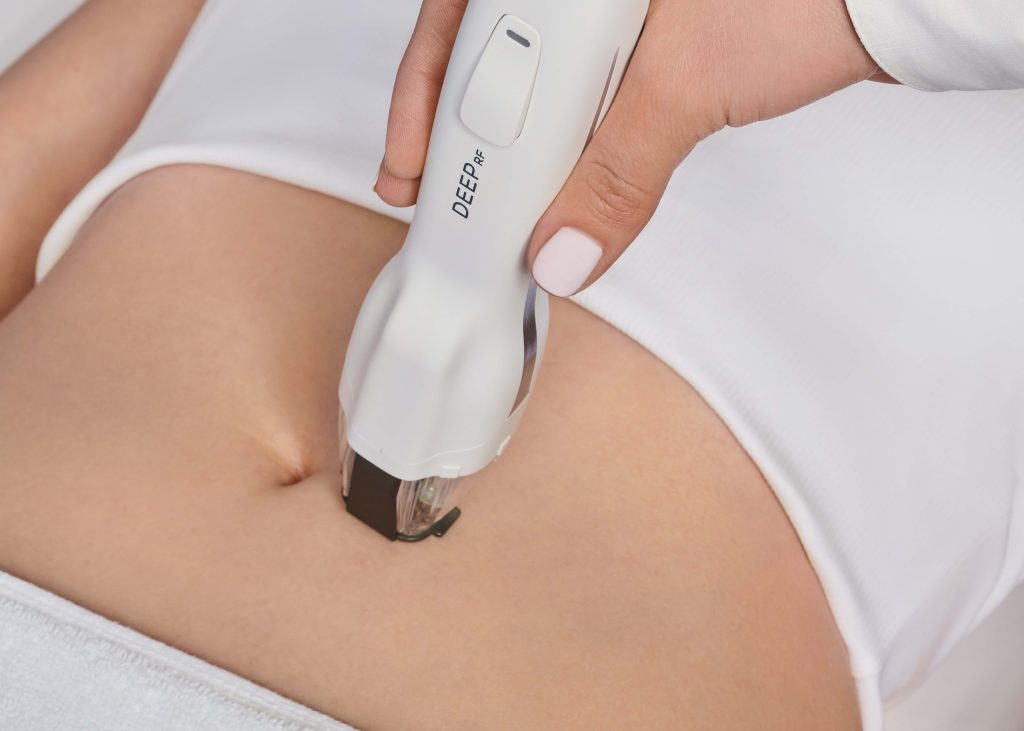
Exilis RF Skin Tightening

Best for mild to moderate laxity without needles

Exilis uses radiofrequency energy to gently heat deeper layers of the skin. This heat causes existing collagen fibers to contract while signaling your body to create new ones.

It’s ideal for:

  • Jawline and under-chin tightening

  • Firming the neck and chest

  • Smoothing areas like the abdomen, arms, or thighs

Treatments are non-invasive, comfortable, and don’t require recovery time.

VirtueRF Microneedling

Best for visible tightening and deeper collagen stimulation

VirtueRF combines microneedling with radiofrequency to deliver heat beneath the skin, helping remodel collagen and tighten tissue more effectively than either treatment alone.

VirtueRF works well for:

  • Skin laxity on the face, neck, or jawline

  • Wrinkles and crepey skin

  • Acne scars or uneven texture

Most patients see improvement after one session, with results continuing to improve over several months as collagen rebuilds.

Which Treatment Is Right for You?

There’s no one-size-fits-all answer. The best option depends on how much laxity you have, your skin’s condition, and your goals. Microneedling is a great starting point for younger patients or early texture changes. Exilis is perfect if you want to avoid needles. VirtueRF offers a more noticeable lift for moderate laxity or deeper skin concerns.

Why Patients Choose Bubolo Medical

At Bubolo Medical, we take a personalized, medical approach to aging. All of our skin-tightening treatments are performed by experienced providers using advanced technology and science-backed protocols.

We don’t chase trends. We focus on the biology of skin health and long-term results so you can look like yourself, just firmer and more refreshed.

Ready to See Firmer, Healthier Skin?

Whether you’re focused on prevention or ready for visible lifting, we’ll help you choose the right treatment for your skin and your goals.

Schedule your consultation today.

Share this blog

If you’ve looked into skin health, hair loss, or tissue repair, you may have come across a peptide called GHK-Cu. It’s a copper-binding compound naturally found in the body, and it plays a key role in how we heal and regenerate—especially as we age.

At Bubolo Medical, GHK-Cu is one of the peptides we use to support visible repair, cellular recovery, and long-term skin and tissue health.

What is GHK-Cu?

GHK-Cu is short for glycyl-L-histidyl-L-lysine with copper. It’s a naturally occurring peptide that helps the body repair damaged tissue. Over time, GHK-Cu levels decline, which may contribute to signs of aging like thinning skin, slower healing, or hair loss.

When used as part of peptide therapy, GHK-Cu may help restore some of that lost signaling—supporting healthy skin, joints, and even internal tissues.

What It May Help With

GHK-Cu is most often used for:

  • Supporting skin repair and visible aging

  • Encouraging hair growth in areas of thinning

  • Improving skin firmness, texture, and tone

  • Helping reduce inflammation and oxidative stress

  • Supporting tissue healing after injury, strain, or aging-related damage

It’s commonly included in peptide protocols for people experiencing skin aging, post-surgical healing, or long-term inflammation.

Who Might Benefit

GHK-Cu may be a good option for adults who:

  • Are noticing changes in skin or hair quality

  • Have ongoing issues with inflammation or joint stiffness

  • Want to support healing from the inside out

  • Are building a preventive plan for healthy aging

At Bubolo, it’s part of our Glow & Repair Stack, which focuses on recovery, cellular balance, and visible repair.

How We Use It at Bubolo Medical

GHK-Cu is used alongside other peptides that target inflammation, healing, and cellular stress. This combination approach allows us to support multiple areas at once—from skin and hair to joints and energy. Every patient’s plan is personalized based on goals, symptoms, and lab results.

Ready to start your peptide journey? Schedule a consultation today.

Share this blog

Most people have heard of proteins—especially when it comes to nutrition and fitness. But peptides? Less familiar. Still, peptides play a crucial role in how your body heals, ages, and performs.

Understanding the difference between peptides and proteins can help you make more informed decisions about your health, especially if you’re exploring options like peptide therapy to support metabolism, hormone signaling, or longevity.

What is the difference between peptides and proteins? Answered by Atlanta peptide therapy provider

What Are Proteins?

Proteins are large, complex molecules made up of long chains of amino acids. They are essential to life, involved in building tissues, transporting nutrients, regulating enzymes, and supporting immune function. Muscle, skin, enzymes, and hormones are all made from proteins or rely on them.

When you eat protein—like chicken, fish, or legumes—your body breaks it down into amino acids. These amino acids are then reused to build and repair the proteins your body needs to function.

What Are Peptides?

Peptides are shorter chains of amino acids—usually between 2 and 50. Because of their size, peptides are more flexible and fast-acting than full proteins. They act as messengers, signaling specific cells or tissues to take action.

Your body naturally produces thousands of different peptides. Some control the release of hormones. Others influence inflammation, healing, digestion, or metabolism.

As we age, peptide production slows down. That’s one reason recovery, energy, and hormone balance often decline with time.

Peptide therapy involves using medical-grade peptides—many of which are identical to the ones your body already makes—to help restore those natural signals.

Key Differences Between Peptides and Proteins

While both peptides and proteins are made from amino acids, there are major differences in how they function:

  • Size: Peptides are much smaller than proteins, which allows them to act more quickly and precisely.

  • Function: Proteins provide structure and carry out complex jobs. Peptides act more like signals or triggers.

  • Absorption: Because of their size, certain peptides can be absorbed more easily or delivered directly to target tissues.

  • Therapeutic Use: Many peptides are used in targeted therapy to support metabolism, hormone regulation, inflammation, and tissue repair. Proteins are not typically used in this way.

Why This Matters for Your Health

Your body doesn’t just need structure—it needs signals. Peptides help coordinate how your body recovers, grows, and adapts. When those signals decline, you may start to notice changes like:

  • Fatigue or poor recovery

  • Slower metabolism

  • Hormone-related symptoms

  • Brain fog or poor sleep

  • Joint pain or skin changes

Unlike protein supplements, which support general nutrition, peptide therapy works at the signaling level—helping your body do its job more efficiently.

At Bubolo Medical, we offer peptide protocols designed to support metabolism, muscle tone, inflammation control, cognitive health, and hormone balance. These are targeted tools that work with your biology.

Protein vs. Peptides

Proteins and peptides both play essential roles in your body, but they serve different purposes. Proteins are builders. Peptides are messengers.

Understanding this distinction can help you see why peptide therapy is a science-based way to support the systems that keep you healthy, strong, and resilient.

Share this blog
Scroll to Top