

If your face looks swollen in the morning—or if you notice puffiness under your eyes, around your jawline, or across your cheeks that lingers throughout the day—it may be more than allergies or lack of sleep. At Bubolo Medical, we often see this as a subtle signal of something deeper: chronic inflammation.
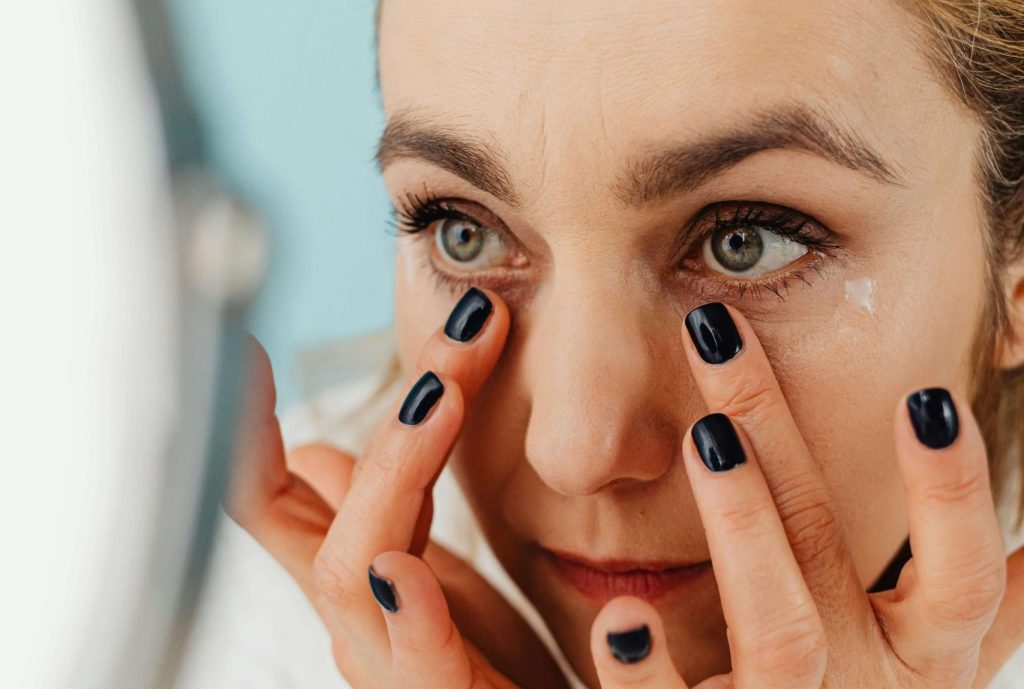
We work with patients in Marietta, Acworth, and across Cobb County to uncover what’s really driving their symptoms—because facial swelling is sometimes the first sign that your body is struggling to stay in balance.
What Is Chronic Inflammation?
Inflammation is part of your immune system’s natural defense mechanism. It’s helpful in short bursts—like when you’re fighting an infection or healing from an injury. But when inflammation becomes chronic or systemic, it can begin to damage healthy tissue and interfere with your body’s ability to repair and regulate itself.
According to the Cleveland Clinic, chronic inflammation has been linked to:
-
Thyroid dysfunction
-
Insulin resistance
-
Skin issues such as acne or rosacea
-
Autoimmune disorders
Many of these underlying factors affect not just how you feel—but how your skin looks.
How Inflammation Shows Up on Your Face

Facial puffiness caused by internal inflammation may look like:
-
Swelling around the eyes upon waking
-
Puffy cheeks or a soft, bloated jawline
-
Skin that feels warm, blotchy, or red
-
Dull or tired appearance, even with good sleep
-
Breakouts that coincide with hormone shifts or dietary triggers
This happens because systemic inflammation can disrupt normal lymphatic flow and fluid balance—especially in delicate facial tissues.
Common Triggers of Chronic Inflammation
At Bubolo Medical, we assess each patient as a whole person. If puffiness is persistent, we look at the broader factors that may be contributing to it, including:
1. Hormone Imbalance
Unbalanced hormone levels—especially low thyroid function, elevated cortisol, or shifts in estrogen and testosterone—can promote fluid retention and systemic inflammation.
We screen for hormone imbalance using comprehensive lab testing that includes:
-
TSH
-
Free T3 and Free T4
-
Estradiol
-
Testosterone (total and free, depending on gender)
-
FSH
2. Nutrient Deficiencies
Your skin and immune system rely on vitamins like D and B12, along with minerals such as magnesium and zinc. Deficiencies can worsen inflammatory cycles and reduce your skin’s ability to repair itself.
Our diagnostic panels include:
-
Vitamin D, 25-hydroxy
-
Vitamin B12
-
Lipid panel
-
CBC with differential
3. Immune and Inflammatory Activity
One of the most direct ways to measure inflammation is with a test for C-reactive protein (CRP). Elevated CRP levels may indicate that the body is experiencing sustained, low-grade inflammation—even before other symptoms are obvious.
4. Poor Sleep or High Stress
If you’re under chronic stress or not sleeping deeply, cortisol can become dysregulated—contributing to tissue swelling and inflammatory signals that show up on your skin. You might be getting enough hours of sleep, but still waking up puffy or feeling tired.
Why Topical Skincare Isn’t Enough

Facial puffiness isn’t always about what’s happening on the surface. While eye creams, gua sha, or cold rollers may help temporarily, they won’t resolve the internal imbalances that keep inflammation coming back.
At Bubolo Medical, our team looks for what’s happening beneath the surface—from hormone shifts to metabolic changes—to help patients get to the root cause of persistent skin issues.
What to Expect from an Evaluation
If you’re experiencing ongoing puffiness or other inflammation-related symptoms, we may recommend:
-
Inflammatory marker testing (CRP)
-
Full thyroid panel
-
Sex hormone evaluation
-
Micronutrient testing (vitamin D, B12)
-
Lifestyle and health history review
This allows us to create a personalized care plan that supports hormone balance, skin health, and reduced inflammation—without guesswork.
Addressing Puffiness from the Inside Out
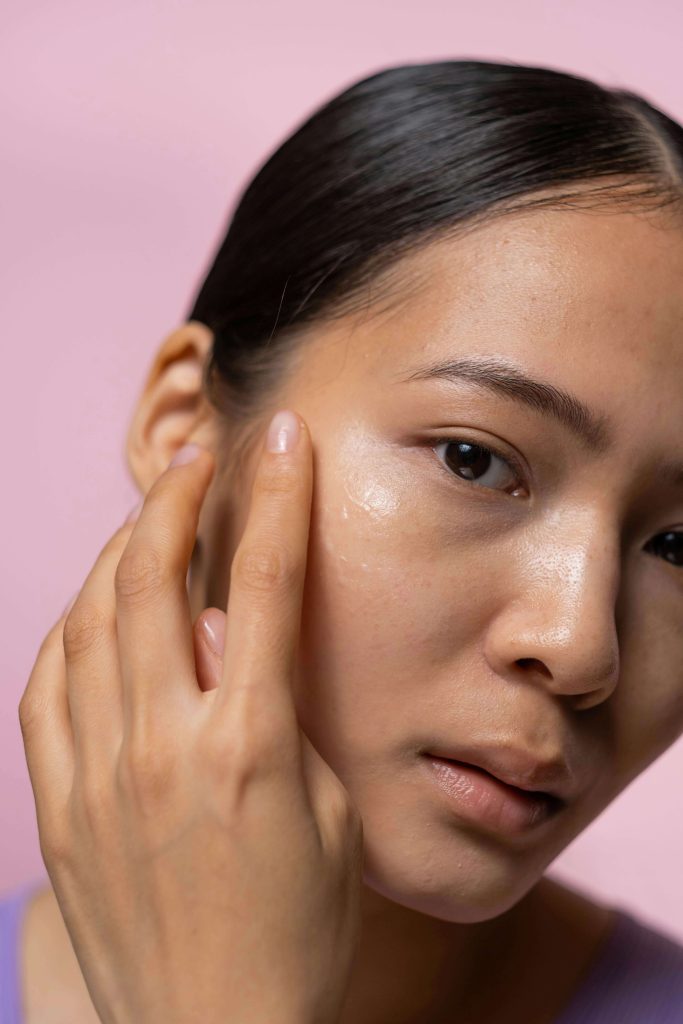 Depending on your lab results and goals, your plan may include:
-
Hormone balancing (bioidentical hormone therapy when indicated)
-
Anti-inflammatory nutritional support (vitamins, minerals, and lifestyle changes)
-
Skincare guidance tailored to support lymphatic flow and reduce facial swelling
We serve patients at both our Marietta and Acworth locations, using evidence-based tools to help you look and feel your best—without masking the symptoms.
FAQ: Inflammation and Puffy Skin
What causes puffiness in the face?
Common causes include hormone imbalance, poor sleep, high stress, and low-grade inflammation—all of which can affect fluid retention and skin health.
Can inflammation cause skin problems?
Yes. Chronic inflammation is linked to puffiness, redness, acne, and sensitivity. It may also contribute to accelerated aging.
Is facial swelling the same as weight gain?
Not necessarily. Puffiness is often caused by fluid retention and inflammation, not fat. It can change day to day and may improve with treatment.
How do I know if I have chronic inflammation?
Lab testing (like CRP, hormone panels, and nutrient levels), combined with your symptoms and history, can provide a clear picture.
What’s the best way to treat puffiness naturally?
Address the root cause through lab testing, anti-inflammatory nutrition, hormone support, and stress regulation.
Let’s Get to the Root of Your Inflammation
Facial puffiness may seem like a minor concern—but it can be an early clue that your body needs support. At Bubolo Medical, we take a whole-body approach to skin and wellness, helping patients across Metro Atlanta uncover the real causes of inflammation and take proactive steps toward lasting health.
Schedule your consultation today at our Marietta or Acworth clinic to learn more.

 Begin the day near the water at
  This 7-mile greenway stretches from Kennesaw Mountain to Marietta’s Town Center. With paved paths, forested sections, and open sky,
  Choose one meal today that supports your energy and digestion. Build it with leafy greens, a source of protein, and healthy fat. A well-balanced meal not only fuels your body but also stabilizes mood and concentration. You don’t need a perfect diet — just one step at a time.
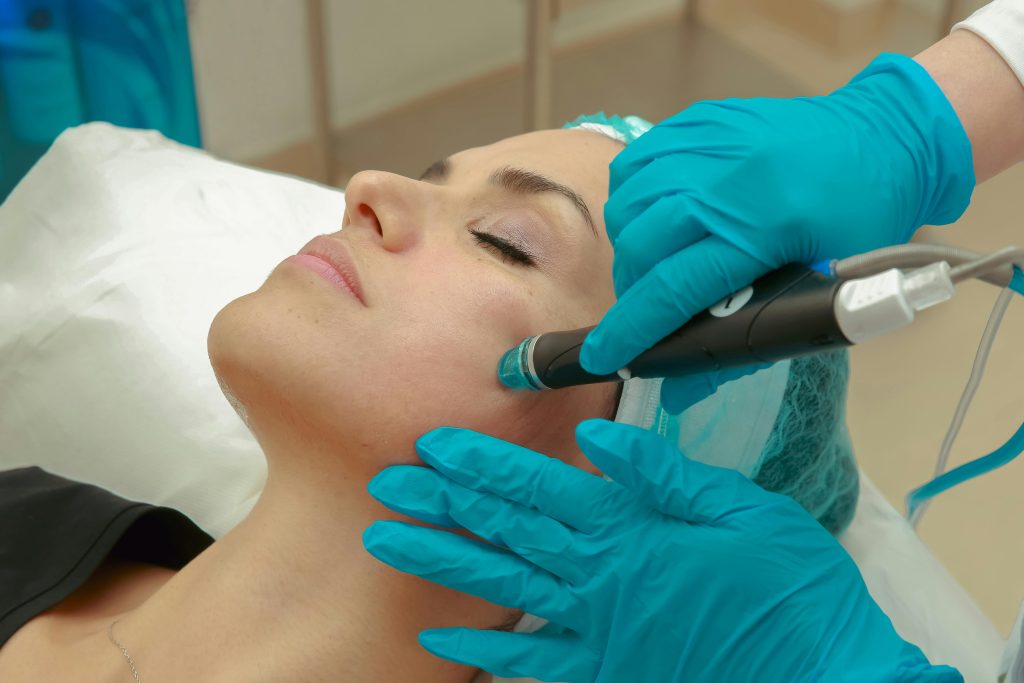 When your skin feels dull or congested, a Hydrafacial offers gentle, non-invasive cleansing and hydration. It’s a simple way to support your appearance and confidence with no downtime.
  Whether you bike, walk, or just sit on a bench with a book, time on this trail supports both body and mind. Spanning over 60 miles, the
 Estrogen plays a role in oil regulation, collagen production, and water retention. When it’s out of balance:
 At our clinics in Marietta and Acworth, we evaluate hormone balance through comprehensive lab testing. Based on your results, we offer personalized treatment that may include:
 You’ll find erythritol in a wide range of products marketed as sugar-free or keto-friendly:
 At Bubolo Medical, we help patients understand how their nutrition choices affect the bigger picture — including hormone balance, cardiovascular risk, and metabolic health. If you’re unsure whether sugar alcohols like erythritol are right for your body, we can help you evaluate your unique risk factors through advanced testing and integrative care.
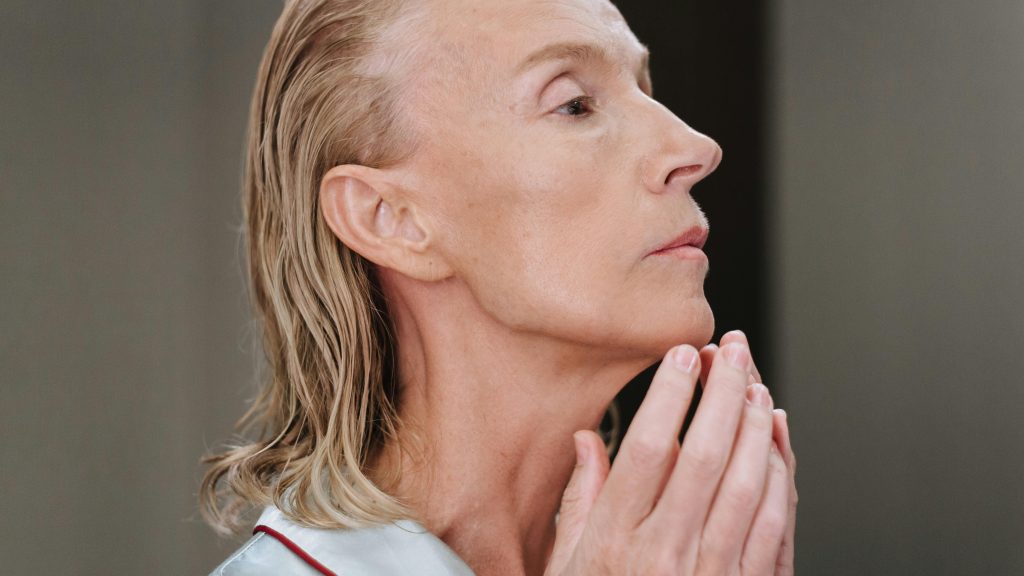 At Bubolo Medical, we work with patients across Metro Atlanta, including
  Botox works by temporarily relaxing the muscles that cause expression lines. But the quality of your skin—its texture, elasticity, and ability to bounce back—can influence the outcome.
 At Bubolo Medical, we believe great aesthetic outcomes start with internal health. That’s why we offer hormone testing and personalized hormone therapy programs alongside our skin treatments.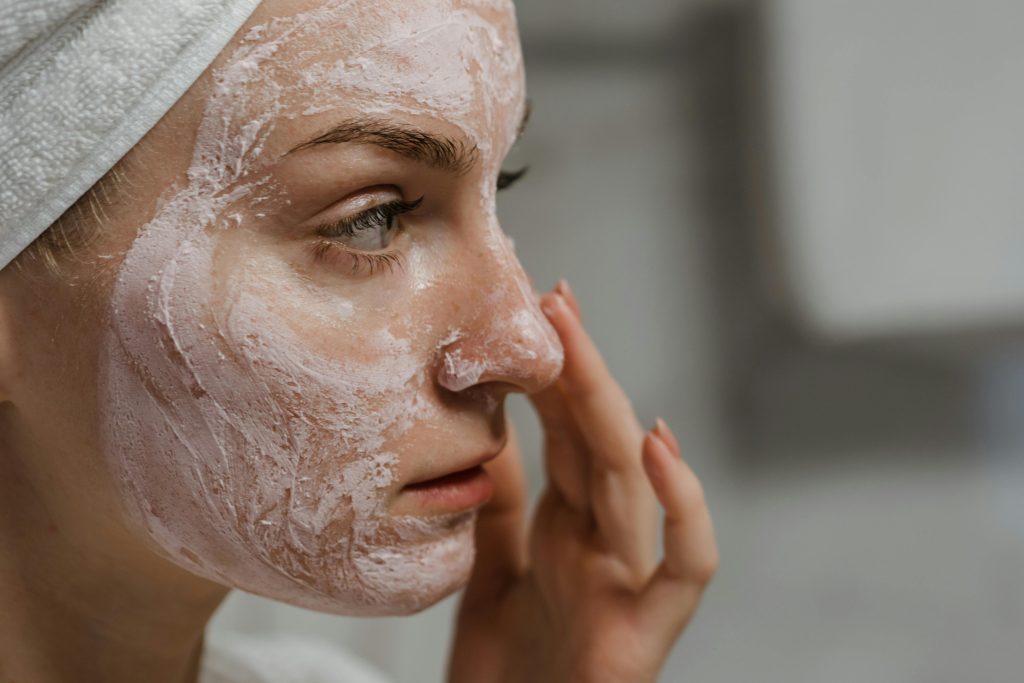
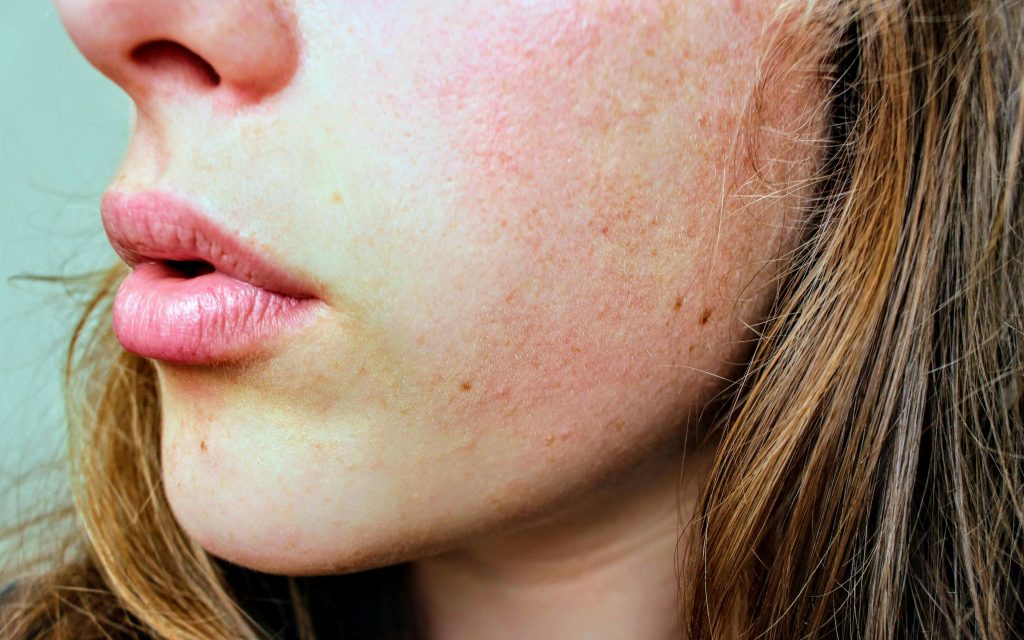
 If you’re experiencing frequent flushing or persistent redness—especially around the nose or cheeks—it may be connected to:
 “BBL smell” isn’t a medical diagnosis—it’s an internet-coined phrase used to describe a specific odor some people report after BBL surgery. Nurses, recovery specialists, and patients have shared stories online about this experience.
 Our non-surgical butt lift is ideal for individuals who:
 While it can be triggered by stress, anxiety, or boredom, it’s more than a nervous habit. Trich is classified as a body-focused repetitive behavior (BFRB) and falls within the obsessive-compulsive spectrum. Over time, it can lead to both emotional distress and visible hair loss—making treatment and recovery both a mental and physical process.
 Repeated pulling can damage hair follicles, irritate the scalp, and cause bald patches. In mild cases, hair regrows once pulling stops. But when the behavior continues for years—or if scarring develops—hair loss may become permanent.
 A hair transplant won’t be effective if the root cause of the hair loss—trichotillomania—is still active. That’s why behavioral therapy is often the first step. Working with a licensed mental health provider helps you address triggers, reduce urges, and build healthy coping mechanisms.