If you haven’t checked your blood pressure lately, now’s the time.
The American Heart Association (AHA) and American College of Cardiology (ACC) have just released their 2025 updates to the national blood pressure guidelines. These changes aim to catch risk earlier — and protect your long-term health with more proactive, personalized care.
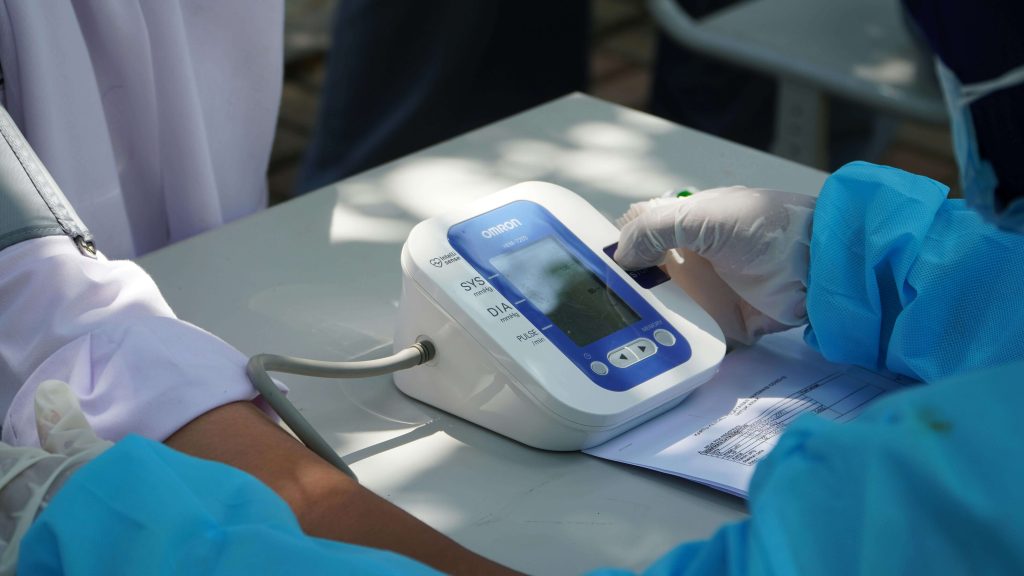
Whether you’re already monitoring your blood pressure or just starting to think about prevention, these updates affect millions of adults. And they reinforce what we’ve seen in our clinics for years: staying ahead of chronic conditions leads to better outcomes, fewer complications, and a longer, healthier life.
What’s New in the 2025 Blood Pressure Guidelines?
The most significant change in the 2025 update is a stronger emphasis on early intervention. While the standard definitions for hypertension haven’t changed, doctors are now encouraged to begin lifestyle-based or medical treatment earlier — especially in patients with risk factors like diabetes, excess weight, or metabolic dysfunction.
Key highlights include:
-
Earlier treatment at lower levels: Stage 1 hypertension (130–139/80–89) now warrants more active management, even if you feel fine.
-
More personalized risk assessment: A new PREVENT™ score helps identify your unique risk for heart attack, stroke, and other cardiovascular complications — and guide your care accordingly.
-
Better tools for long-term health: The guidelines promote ongoing monitoring, preventive screenings, and lifestyle changes that support weight, energy, and metabolic function. These tools are all included in our Bubolo Care membership.
What Hasn’t Changed?
The basic blood pressure categories remain the same:
-
Normal: Below 120/80
-
Elevated: 120–129 / less than 80
-
Stage 1 Hypertension: 130–139 / 80–89
-
Stage 2 Hypertension: 140+ / 90+
But here’s what’s different: your doctor may now act sooner — not just to lower your blood pressure, but to address the root causes behind it.
At Bubolo Medical, that often means evaluating hormone levels, nutritional gaps, stress impact, and lifestyle habits — all of which can affect your heart, energy, and metabolism.

Why This Matters — Especially in the Southeast
Heart disease remains a top cause of death in Georgia. But many of the risk factors — like high blood pressure — are silent and preventable.
The new guidelines make it clear: waiting until symptoms appear is no longer enough. With proactive testing, personalized care, and targeted interventions, you can reduce your risk dramatically.
That includes:
-
Improving your weight and energy levels
-
Supporting healthy metabolism and blood sugar
-
Reducing long-term risk for heart disease and complications
-
Avoiding unnecessary medications through lifestyle-based care
What You Can Do Now
If you’re unsure about your numbers — or haven’t had your blood pressure checked in the last 6–12 months — it’s time to schedule a visit.
At Bubolo Medical, we provide personalized care that goes beyond the numbers. We help you identify early signs, uncover what’s really driving your risk, and create a plan that fits your goals, whether that includes weight loss, hormone optimization, or ongoing wellness support.

Top 10 Takeaways from the New Guidelines
The updated blood pressure guidelines include important changes that go beyond numbers. Here are ten key takeaways to help you stay informed and in control:
-
High blood pressure raises dementia risk
Lowering your BP early may help protect brain health in the long run. -
It’s the #1 modifiable risk factor for heart disease
Controlling blood pressure has the biggest impact on preventing heart attacks, strokes, and heart failure. -
Pregnancy-related high blood pressure matters
Complications like preeclampsia can have long-term effects on both mother and child. -
Know the warning signs of a hypertensive crisis
A reading over 180/120 with symptoms like chest pain or blurry vision requires immediate medical attention. -
It can affect anyone — at any age
Young adults, teens, and older adults are all at risk, especially if there’s a family history. -
Accuracy is everything
BP should be measured correctly: seated, calm, and with the arm supported at heart level. -
Medication is just one option
Many people can manage blood pressure through lifestyle changes alone, but medications are safe and effective when needed. -
The DASH diet works
A diet rich in fruits, vegetables, lean proteins, and low sodium can help lower blood pressure naturally. -
Small weight loss has a big impact
Losing just 5% of your body weight can significantly improve blood pressure. -
Lifestyle changes make the biggest difference
Exercise, sleep, stress management, and addressing underlying conditions all support better blood pressure control.
Ready to take the first step?
Book a general practice appointment at one of our Atlanta-area clinics and get clarity on your heart health — before problems start.