As we get older, it can feel like our bodies start working against us. Weight gain happens faster. Energy dips lower. Muscle is harder to maintain. And at the center of all of it is one major factor: metabolism.
If you’ve ever thought, “My metabolism isn’t what it used to be,” you’re right. But that doesn’t mean you’re stuck with it. At Bubolo Medical, we help patients across Cobb County and greater Atlanta understand what’s behind metabolic slowdown—and how to improve it.
What Is Metabolism, Really?
Metabolism is the process your body uses to convert food into energy. It powers everything from breathing and digestion to cell repair and hormone balance.
The faster and more efficiently your metabolism works, the easier it is to maintain a healthy weight, build muscle, and stay energized. But over time, metabolism tends to slow down. Here’s why.
Why Metabolism Slows With Age
Starting in your late 20s to early 30s, your metabolism begins to shift. These changes are subtle at first, but they become more noticeable with each passing decade.
Several factors contribute:
Muscle loss (sarcopenia): Muscle burns more calories than fat, even at rest. As you lose muscle mass with age, your body requires fewer calories to function.
Hormonal changes: Testosterone, estrogen, and thyroid hormones all play a role in regulating metabolism. As these decline with age, metabolic function slows.
Cellular aging: Mitochondria—your cells’ energy producers—become less efficient over time.
Less physical activity: Many people naturally move less as they age, which further reduces calorie burn and insulin sensitivity.
The result: you may feel like you’re doing the same things you always have, but gaining weight or feeling more tired anyway.
Signs Your Metabolism Is Slowing Down
Some of the most common signs include:
Unexplained weight gain, especially around the midsection
Increased fatigue or slower recovery
Difficulty maintaining or building muscle
Cravings or blood sugar swings
Feeling cold more often
Brain fog or low mood
These aren’t just signs of aging—they can be signals that your metabolism, hormones, or inflammatory markers are out of balance.
What You Can Do to Support Your Metabolism
Here’s the good news: while you can’t stop time, you can absolutely support and improve your metabolism at any age. The key is a personalized, medically guided approach—not just cutting calories or over-exercising.
At Bubolo Medical, we help patients restore healthy metabolic function through:
Hormone optimization: Balanced levels of testosterone, estrogen, and thyroid hormones can improve how your body burns fat and builds muscle.
Longevity testing: We assess key markers like inflammation, insulin resistance, and vitamin deficiencies that impact metabolic health.
Lifestyle support: Nutrition, movement, stress, and sleep all play a role—and small changes can make a big difference.
We’ve seen patients in their 40s, 50s, and beyond improve their metabolism, regain energy, and feel stronger than they did a decade ago.
Age Doesn’t Have to Work Against You
A slower metabolism isn’t something you have to accept. With the right insight and support, you can improve how your body burns energy, builds strength, and handles stress—at any age.
If you’ve been feeling off, gaining weight, or struggling with fatigue, it may be time to take a closer look at what your metabolism is trying to tell you.
Most people think of aging as something you see on the outside—wrinkles, gray hair, slower metabolism. But aging actually starts inside the body, at the cellular level. And one of the biggest drivers of that internal aging process is chronic inflammation.
Your body creates inflammation as a defense mechanism. It’s normal—and helpful—when you get sick or injured. But when it sticks around too long, it can quietly damage your cells, speed up aging, and raise your risk of disease.
That’s where inflammation markers come in. One in particular, called CRP, can reveal if inflammation is silently aging your body faster than it should.
What Is CRP—and Why Should You Care?
CRP stands for C-reactive protein. Your liver makes it whenever there’s inflammation in your body. If you have an infection or an injury, CRP goes up temporarily—which is totally normal.
But here’s the problem: CRP can also rise when you have chronic, low-level inflammation—the kind you might not feel at all. This type of inflammation is linked to heart disease, diabetes, brain fog, and even conditions like Alzheimer’s.
Doctors often use a special blood test called high-sensitivity CRP (hs-CRP) to check for this. Lower levels (under 1.0) are good. Higher levels (over 3.0) mean your body is in an inflamed state—even if you feel fine.
How Metabolic Health Plays a Role
If you’ve ever been told you have high blood pressure, belly fat, high blood sugar, or cholesterol issues, these may be signs of something called metabolic syndrome.
It’s a group of risk factors that often go together—and it’s one of the main causes of chronic inflammation. Even if you’re not overweight, you can still have metabolic issues that increase CRP levels and speed up aging.
Metabolic syndrome can double your risk of heart disease and lead to early health problems. It’s more common than most people think—and it’s often overlooked until it’s too late.
Why Inflammation Speeds Up Aging
When inflammation sticks around, it wears down your body at the cellular level. It damages the parts of your cells that make energy, shortens the protective ends of your DNA (called telomeres), and throws your hormones out of balance.
This can lead to:
Fatigue
Poor recovery after exercise
Trouble losing weight
Skin changes
Brain fog or memory problems
In short, inflammation can make your body feel and function older than it actually is.
How Bubolo Medical Tests for Inflammation and Aging
At Bubolo Medical, we offer advanced testing to catch inflammation early. Some of the key tests include:
High-sensitivity CRP – checks your body’s inflammation level
A1c – shows how well your blood sugar has been controlled over time
Lipid panel – checks cholesterol and triglycerides
Metabolic panel – gives a snapshot of your liver, kidneys, and more
Vitamin D – low levels can increase inflammation
We also offer full biological age panels and hormone testing to help you understand what’s going on inside your body—so you can take action before symptoms start.
What You Can Do to Reduce Inflammation
Here’s the good news: chronic inflammation is something you can improve with the right plan.
Simple, proven ways to lower inflammation include:
Eating whole foods with healthy fats, fiber, and antioxidants
Moving your body regularly (even walking counts)
Managing stress through deep breathing, time outside, or meditation
Getting quality sleep every night
Balancing your hormones with medical guidance
Supporting your liver and keeping a healthy weight
Small steps can make a big difference. And when guided by the right tests, these changes don’t just help you feel better—they can slow down your biological aging.
When to Get Tested
If you’re dealing with fatigue, stubborn weight gain, poor sleep, or trouble focusing, don’t chalk it up to “getting older.” These may be signs your body is inflamed.
Testing is quick, and it can give you answers—and a plan. At Bubolo Medical in Marietta and Acworth, we’ve been helping patients in Metro Atlanta for over 20 years with personalized, science-based care that actually works.
We don’t just treat symptoms—we help you take control of your long-term health.
Want to learn more about your inflammation levels and biological age? Schedule your testing today and get a personalized game plan to feel your best.
How Cortisol Affects Aging—and What You Can Do About It
In today’s always-on world, stress might feel normal—but its impact on your body is anything but. At Bubolo Medical, with clinics in Marietta and Acworth, we often see the hidden effects of stress in patients who are otherwise “doing everything right” but still struggle with fatigue, poor sleep, weight gain, or premature aging.
One of the biggest culprits behind it all? Cortisol, your body’s primary stress hormone.
And according to recent studies, chronic cortisol elevation doesn’t just affect your energy. It can actually accelerate your biological aging—sometimes by years.
What Is Cortisol—and Why Does It Matter?
Cortisol is released in response to stress, whether from a tough workout, a work deadline, or lack of sleep. In small doses, it’s helpful. But when cortisol stays high for too long, it creates inflammation, hormone imbalance, and damage at the cellular level.
In fact, research published in Psychoneuroendocrinology links elevated cortisol to shorter telomeres—the DNA caps that determine how fast you age. Short telomeres are associated with everything from fatigue and low libido to heart disease and brain aging.
At Bubolo Medical, we often detect this pattern through lab testing in patients from Cobb County and Metro Atlanta—especially those struggling with stubborn weight, poor recovery, or feeling “off.”
Signs Cortisol May Be Aging You
You don’t need to feel overwhelmed for cortisol to be a problem. Common symptoms include:
Waking up tired, even after 8 hours
Midsection weight gain, despite diet and exercise
Hair thinning or brittle nails
Trouble falling asleep or waking between 2–4 a.m.
Feeling “tired but wired” at night
Decreased sex drive or emotional burnout
Why It Shows Up More in Fall
During late summer and early fall, we often see a surge in patients in Marietta and Acworth reporting fatigue, low motivation, and hormone shifts. As school schedules ramp up and routines change, stress rises—even when it doesn’t feel extreme.
This is an ideal time to check in on your body’s stress response and get ahead of inflammation-related aging.
How We Measure Cortisol and Biological Aging
At Bubolo Medical, we use advanced biological age testing that goes beyond standard labs. It looks at:
Inflammation and CRP
Hormone balance (including cortisol and DHEA)
Nutrient deficiencies
Metabolic function
With this data, we create a personalized plan to lower your biological age through hormone care, targeted supplements, nutrition, and stress recovery.
Is cortisol testing part of your hormone panels? Yes. Our comprehensive labs include cortisol markers, sex hormones, thyroid function, and inflammation—helping us understand your full picture.
Can cortisol imbalance affect my skin or weight? Absolutely. High cortisol increases inflammation, collagen breakdown, and fluid retention—contributing to dull skin, puffiness, and abdominal fat.
How do you help patients lower cortisol naturally? We use a combination of adrenal support, sleep optimization, hormone balancing, and stress-reducing therapies like peptides or adaptogens.
Is this included in weight loss programs? Yes. Cortisol and hormone levels are included in initial testing for both weight loss and hormone optimization patients in our Marietta and Acworth clinics.
Aging Is About More Than Looks
At Bubolo Medical, we believe aging well means having energy, confidence, and vitality at every stage of life. That’s why we go deeper than symptom management—using biological age testing and evidence-based support to help our patients feel years younger from the inside out.
When we think about aging well, most people focus on diet, exercise, and maybe a few high-quality supplements. But one of the most underappreciated factors in how your body ages—both inside and out—is sleep.
It doesn’t just affect your mood or mental clarity. Sleep plays a critical role in everything from hormone regulation to metabolism and cellular repair. In short, how well you rest may influence how well—and how long—you live.
How Sleep Impacts the Aging Process
Your body relies on sleep to carry out key restorative functions. While you’re resting, systems across the body shift into repair mode: tissues regenerate, immune responses strengthen, and hormonal rhythms reset.
Research has linked poor sleep to:
Increased inflammation
Greater risk of chronic disease
Impaired blood sugar control
Hormone disruption
Accelerated skin aging
According to a 2025 study published in GeroScience, inadequate sleep—defined as fewer than 7 h per night—is increasingly recognized as a widespread concern linked to chronic illness, accelerated aging, and increased mortality.
Sleep and hormones are tightly linked. Even small disruptions in sleep patterns can impact:
Cortisol, the body’s main stress hormone, which should fall at night to allow for recovery
Melatonin, the hormone responsible for regulating the sleep-wake cycle
Growth hormone, which supports tissue repair and cellular regeneration
Sex hormones like estrogen and testosterone, which affect energy, mood, and libido
In our clinics, patients struggling with fatigue, stubborn weight gain, or low libido often don’t realize that impaired sleep may be contributing to hormonal imbalance. Identifying and correcting this cycle can be a key part of improving long-term health outcomes.
How Much Sleep Is Enough?
Most adults need between 7 to 9 hours of quality sleep each night. But it’s not just about the total number of hours—it’s also about sleep quality, regularity, and whether you wake feeling restored.
If you’re waking up tired, struggling to fall asleep, or relying heavily on caffeine to get through the day, it may be time to evaluate whether your body is getting the rest it needs.
Small Sleep Shifts That Support Longevity
If you’re working toward better aging outcomes, these simple sleep strategies can help:
Keep a consistent bedtime and wake-up time
Limit caffeine after 2 p.m.
Create a dark, cool, screen-free sleep environment
Try a wind-down routine: magnesium, stretching, or a short walk
Address underlying issues like hormone imbalance or chronic stress
Better Sleep, Better Results
Whether you’re pursuing weight loss, balancing hormones, or working on your long-term health, improving sleep can help your body respond better to everything else you’re doing. It’s not the only tool for aging well—but it’s one that often gets overlooked.
If your sleep hasn’t felt truly restorative in a while, don’t ignore it. It might be the missing piece of your longevity plan.
To see how fast your aging and get a plan for slowing it down, get a biological age test at Bubolo Medical for just $99 ($399 value). Get started with a free consultation.
Most people think of aging as something that shows up on your skin. But the real signs of aging often begin long before you notice a wrinkle.
At Bubolo Medical, we believe healthy aging starts with what’s happening inside your body — from hormones and inflammation to energy and metabolism. That’s where long-term vitality begins.
Here’s what to know about the science behind aging — and what you can do to stay strong, vibrant, and energized at every stage.
What Is Internal Aging?
Your chronological age is based on your birthday. But your biological age reflects how your body is actually aging on the inside.
Internal aging is influenced by:
Hormone levels
Inflammation
Nutrient deficiencies
Mitochondrial (cellular) function
Stress and sleep quality
Metabolism and blood sugar control
When these systems are out of balance, it doesn’t just affect your lab results. It shows up as fatigue, brain fog, poor skin repair, weight gain, low libido, and accelerated aging.
What Causes Accelerated Aging?
You can’t control time — but you can control many of the internal factors that speed up the aging process.
Inflammation
Ongoing, low-level inflammation (sometimes called “inflammaging”) interferes with cell repair, hormone production, and tissue regeneration. It’s one of the most common drivers of fatigue, skin changes, and hormone imbalances.
Oxidative Stress
Your body is constantly producing free radicals — molecules that damage cells. Antioxidants can help counteract this, but when the balance tips, signs of aging can speed up.
Hormonal Imbalance
Hormones like estrogen, testosterone, DHEA, cortisol, and thyroid hormones affect everything from your metabolism to your skin elasticity. As these shift with age, it impacts how you feel and how your body functions.
Lifestyle Matters More Than Ever
You can’t reverse time — but the right habits can protect your cells, slow inflammation, and improve hormone function.
Here’s what research shows makes a difference:
Eat for Energy and Repair
Whole foods rich in antioxidants, fiber, protein, and healthy fats help reduce inflammation and protect your cells. Think colorful vegetables, berries, salmon, olive oil, and leafy greens.
Move Your Body (But Not Too Much)
Daily movement — even just walking — supports mitochondrial health, hormone regulation, and blood sugar balance. Overtraining can actually accelerate aging, so consistency matters more than intensity.
Prioritize Sleep and Recovery
Deep sleep is when your body repairs tissue, balances hormones, and clears cellular waste. If you’re not sleeping well, your body can’t regenerate efficiently.
Reduce Chronic Stress
Mental stress raises cortisol and triggers inflammation. Tools like breathwork, time in nature, or meaningful connection can help reset your nervous system.
How We Support Healthy Aging from the Inside
At Bubolo Medical, our approach goes beyond aesthetics. We focus on the internal systems that influence how you look, feel, and age — using personalized diagnostics and evidence-based care.
As we age, one of the most noticeable changes happens to our skin. It becomes thinner, less firm, and more prone to sagging—especially around the jawline, cheeks, and neck. But what actually causes this change, and what options are available to restore firmness?
At Bubolo Medical, we help patients in Acworth, Marietta, and the Greater Atlanta area understand the root causes of skin aging and provide non-surgical treatments that support a healthier, more lifted appearance.
What Causes Loose or Sagging Skin?
Collagen and Elastin Decline Collagen is the protein responsible for skin structure. Elastin gives skin its flexibility. Beginning in your mid-20s, the body produces less of both. This natural decline accelerates in your 40s and 50s, making skin less able to bounce back after stretching.
Hormonal Changes Estrogen, testosterone, and thyroid hormones all play important roles in skin health. When these levels decline—especially during perimenopause or andropause—skin may lose thickness, hydration, and its ability to repair itself.
Loss of Volume and Support As we age, the fat pads in the face shift or diminish. This volume loss under the skin can lead to hollowness and sagging, especially in the mid-face and jawline. Bone density also declines over time, further reducing structural support.
Lifestyle and Environmental Stressors Chronic sun exposure, poor sleep, smoking, alcohol use, and stress can speed up collagen breakdown. UV radiation, in particular, damages the deeper layers of skin, weakening elasticity and increasing wrinkles.
How We Treat Loose Skin at Bubolo Medical
We believe in supporting your skin from every angle—internally and externally. Our treatments are chosen based on your skin health, age, goals, and any underlying hormone imbalances.
Non-Surgical Treatments for Skin Firmness
Microneedling with Radiofrequency (VirtueRF) This treatment uses ultra-fine needles and radiofrequency energy to stimulate collagen and tighten skin. It’s ideal for improving tone and texture over time, especially on the face and neck.
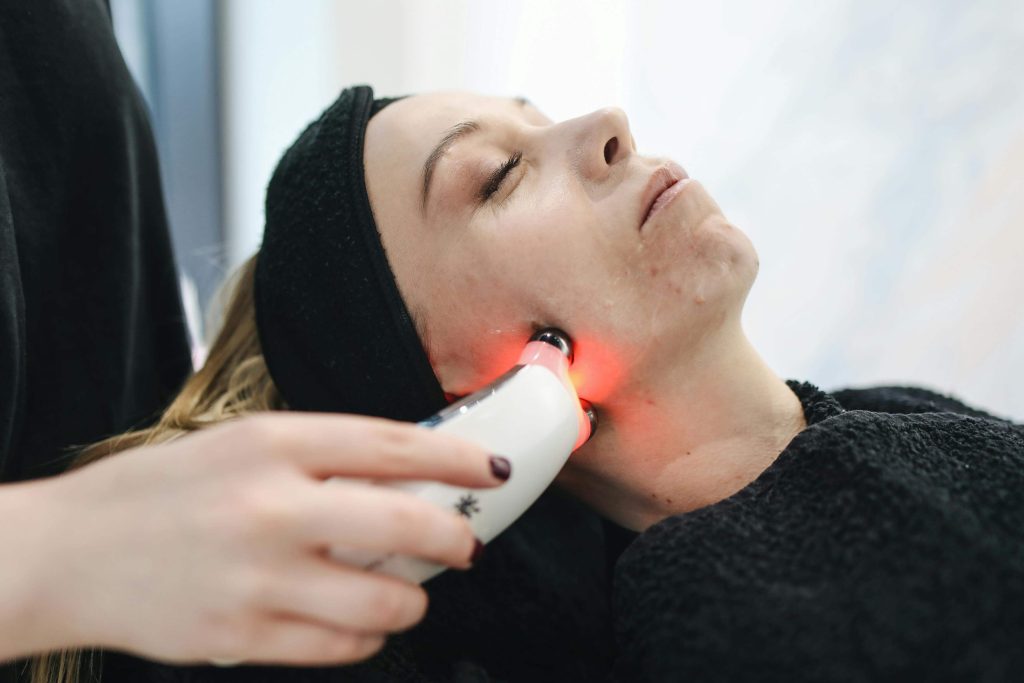
Exilis Skin Tightening A painless, non-invasive treatment that uses radiofrequency and ultrasound to firm skin and contour areas like the jawline, arms, or abdomen. It also supports collagen production with no downtime.
PDO Thread Lifts Dissolvable threads are inserted under the skin to lift sagging areas and stimulate natural collagen over several months. This is a popular option for mid-face, jawline, and neck rejuvenation.
Internal Support for Skin Health
Hormone Optimization Balanced hormones support better skin hydration, thickness, and collagen maintenance. We assess and optimize hormone levels when needed to improve skin from within.
Targeted Nutrients and Lifestyle Plans Vitamin D, omega-3s, and collagen-building nutrients all play a role in maintaining healthy skin. We provide personalized wellness plans that include nutrition and supplement support for long-term skin health.
A Personalized Approach to Aging Well
Loose skin doesn’t always require surgery to improve. At Bubolo Medical, we customize a plan based on where you are now—and where you want to be. That might include skin tightening treatments, hormone support, or a combination of both to help you feel more confident and vibrant at every stage of life.
Schedule a consultation at one of our clinics to learn what’s possible with our aesthetic and wellness options—tailored just for you.
You don’t need expensive equipment, a gym membership, or high-intensity workouts to extend your life — just a good pair of shoes and a consistent walking habit.
At Bubolo Medical, we talk a lot about simple, science-backed ways to improve long-term health. One of the most accessible and effective tools? Walking.
It sounds almost too easy. But research consistently shows that regular walking can increase your lifespan, improve heart health, reduce chronic disease risk, and support mental well-being. And the best part — it’s doable for nearly everyone, at nearly any age or fitness level.
What the Science Says About Walking and Longevity
A major study published in the European Journal of Preventive Cardiology found that walking just 4,000 steps per day can significantly reduce the risk of early death — and benefits continue to increase up to about 10,000 steps.
Other research, including a Harvard-led meta-analysis, confirms that people who walk regularly have lower risks of cardiovascular disease, diabetes, obesity, depression, and even certain cancers.
In short: Walking isn’t just good exercise — it’s a proven strategy to extend life and improve the quality of it.
So… How Much Should You Walk?
The old “10,000 steps” rule isn’t wrong, but it’s not a hard requirement either. Here’s what recent studies suggest:
Minimum benefit: 3,800–4,000 steps per day This is the threshold where health and longevity benefits begin.
Optimal range for most adults: 6,000–8,000 steps per day At this level, you’ll see more dramatic improvements in heart health, metabolic function, and inflammation reduction.
Bonus zone: 10,000+ steps per day If you’re able and have the time, this can enhance endurance, mood, and weight management — but it’s not necessary to live longer.
Pro tip: You don’t have to do it all at once. Three short 10-minute walks are just as effective (and sometimes easier) than one long session.
How Walking Supports Longevity
Walking is considered a low-impact, full-body activity that benefits nearly every system in your body. Here’s how it works in your favor:
Cardiovascular health: Lowers blood pressure and improves circulation
Metabolism: Helps regulate blood sugar and insulin sensitivity
Hormone balance: Reduces cortisol and supports thyroid/adrenal function
Brain health: Boosts mood, memory, and stress resilience
Joint and bone strength: Increases mobility without over-straining
Many of our patients in Marietta and Acworth use walking as a daily anchor for their wellness routine — especially when working on weight loss, hormone balance, or burnout recovery.
Make It a Habit: Tips for Consistent Walking
If walking for longevity is your goal, consistency matters more than speed or distance. Here are ways to stay on track:
Set a timer: Walk for 10–15 minutes after meals to support digestion and blood sugar.
Use a tracker: A pedometer or smart watch makes it easier to build awareness and consistency.
Walk with purpose: Use phone calls, podcasts, or errands to make walks feel productive.
Make it social: Invite a friend, spouse, or co-worker to join.
Change your scenery: Parks, trails, and farmers markets make walking feel fresh and fun.
Can Walking Replace Other Workouts?
In many cases — yes. Especially for adults over 40 who are focused on longevity, hormone health, and stress recovery, walking can match or even outperform high-intensity workouts when done consistently and combined with light strength training.
If you’re recovering from burnout, balancing hormones, or easing into a healthier lifestyle, walking may be the best low-stress, high-return exercise available.
Want to Know How Your Body Is Really Aging?
At Bubolo Medical, we offer biological age testing and personalized wellness plans to help you track progress beyond the scale or step count. Schedule an appointment at our Acworth or Marietta clinic to get started.
You’ve probably heard that vitamin D supports bone health and immune function—but could it also help you stay younger, longer?
New research from Harvard Medical School suggests that it might. A recent clinical trial, published in The American Journal of Clinical Nutrition, found that daily vitamin D supplementation significantly slowed telomere shortening, a key marker of biological aging.
This is one of the most direct human studies showing how a common, affordable vitamin could help preserve cellular health and reduce inflammation—two major drivers of how we age.
What Are Telomeres—And Why Do They Matter?
Telomeres are like the protective caps at the ends of your chromosomes, often compared to the plastic tips on shoelaces. Each time your cells divide, these caps shorten. Over time, telomeres that become too short can no longer protect DNA—leading to cellular dysfunction and increasing your risk of chronic disease.
According to lead study author Dr. JoAnn Manson, Professor of Medicine at Harvard Medical School, “Vitamin D tamps down inflammation, a major cause of telomere shortening and chronic diseases of aging.”
Previous observational studies linked higher vitamin D levels in the blood with longer telomeres. But this latest study took it a step further.
What the Study Found
Researchers followed nearly 1,000 adults aged 50 and older for four years. Half of the participants took 2,000 IU of vitamin D₃ per day, while the others received a placebo.
The results were striking:
The vitamin D group had less than half the telomere shortening compared to the placebo group
They also showed lower inflammation markers and fewer autoimmune issues
This translates to slower biological aging—preserving the cellular integrity that often declines with age.
Why Bubolo Medical Tests for Vitamin D
At Bubolo Medical, vitamin D is part of our comprehensive hormone and weight loss lab panels. That’s because a deficiency doesn’t just impact your bones—it affects:
Hormone function
Metabolic health
Immune regulation
Mood and energy levels
If you’re trying to improve your long-term health, optimize your hormone therapy, or lose weight, having enough vitamin D makes everything work better.
We offer medical-grade supplements, including our Vitamin D₃, but we always start with lab testing. Knowing your baseline helps us create a safe, personalized dosing plan.
How Much Do You Really Need?
Guidelines vary. The National Academy of Medicine recommends:
600 IU/day for adults under 70
800 IU/day for adults over 70
However, many experts agree these numbers may be too low—especially for those with limited sun exposure or dietary intake. Dr. Manson says that 1,000–2,000 IU/day is a “very reasonable” dose for most adults.
In the study, 2,000 IU was found to be safe and effective, with no significant side effects.
Still, more isn’t always better. Your vitamin D plan should be based on real labs—and monitored over time.
Who’s at Risk for Deficiency?
You may be low in vitamin D if you:
Spend most of your time indoors
Live in a nursing home or have limited sun exposure
Have darker skin tones
Have digestive conditions like Crohn’s or celiac
Follow a restrictive diet (including vegan or dairy-free diets)
Are being treated for bone health issues or hormonal imbalance
Dr. Manson recommends testing for vitamin D in these groups—and supplementing under the guidance of a healthcare provider.
Why Lifestyle Still Matters
While vitamin D may help slow telomere shortening, it’s not a replacement for foundational habits. As Dr. Manson puts it:
“Although it’s much easier to pop a pill than to be physically active outdoors and eat healthfully, these lifestyle factors will do more to keep you healthy and lower your risk of cardiovascular disease, cancer, type 2 diabetes and other chronic diseases of aging.”
We agree. That’s why our wellness approach at Bubolo Medical combines medical insight with practical, sustainable lifestyle support.
Bottom Line: Vitamin D May Be One of the Simplest Ways to Support Aging Well
A daily vitamin D₃ supplement may slow biological aging by protecting telomeres
It’s safe for most adults when taken with professional guidance
Testing is key: Deficiency can impact energy, immunity, hormones, and more
It works best when paired with healthy movement, balanced meals, and sunlight exposure
Next Step: Get Your Vitamin D Levels Tested
Want to know if you’re low in vitamin D? Visit our Marietta or Acworth clinic for personalized lab testing, nutrition support, and supplement guidance—so you can feel younger, stronger, and more energized at every stage of life.
As we journey through life, our skin tells our story – but that doesn’t mean we can’t keep it looking its radiant best as time marches on.
With countless products promising miracles, how do you know which will truly nourish your mature skin and keep yourskin hydrated? If we’re being honest, finding the best facial moisturizer for aging skin is harder than it looks.
Luckily, today, we’re going to deeply analyze the world of moisturizers for mature skin. We understand that your skin’s needs have changed, and we’re here to help you navigate this new chapter with confidence.
Whether you’re dealing with dryness, loss of skin firmness, or simply want to give your skin the tender loving care it deserves, we’ve handpicked the crème de la crème of facial moisturizers.
From rich, nurturing creams that fortify your skin barrier to lightweight gel cream formulas perfect for those with oily skin, we’ve considered every skin type and concern. Our comprehensive review cuts through the noise, offering you trustworthy, expert insights on the products that truly deliver results.
Best for Intense Hydration and Anti-aging
Best for Skin Barrier Repair and Post-procedure Recovery
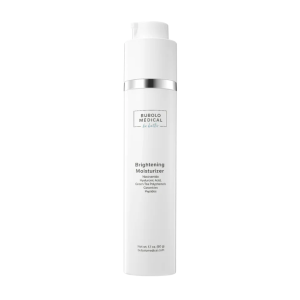
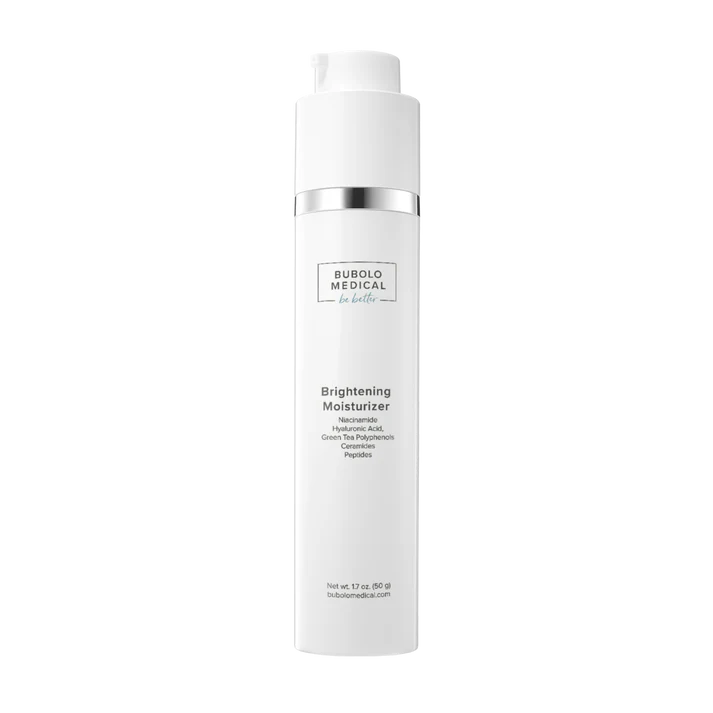
The Bubolo Medical Brightening Moisturizer is designed to cater to the needs of aging skin by providing intense hydration and addressing common signs of natural aging.
This moisturizer for mature skin features a rich formulation that includes Niacinamide, dual-form Hyaluronate, and a complex of essential Ceramides, promising to rejuvenate and fortify the skin. Thanks to its balanced formula, it’s suitable for various skin types, including those with oily skin.
This gentle moisturizer’s luxurious and creamy texture makes it easy to apply and quickly absorbed by the skin. It’s particularly beneficial for mature skin that requires extra nourishment and long-lasting hydration.
One of the standout features of Bubolo Medical Brightening Moisturizer is its ability to smooth fine lines and wrinkles, effectively combating aging. The Tetrapeptide-21, along with plant Stem Cells and antioxidants, such as Green Tea Polyphenols and Resveratrol, work together to provide a long-lasting anti-aging effect.
These ingredients reduce the appearance of fine lines and improve skin texture and tone, resulting in a more youthful and radiant complexion.
This moisturizer’s antioxidant properties are particularly noteworthy. Protecting the compromised skin barrier from environmental damage and free radicals helps prevent further aging and maintains a glowing appearance.
This is especially beneficial for those living in urban areas where pollution can significantly impact the skin and accelerate the natural aging process.
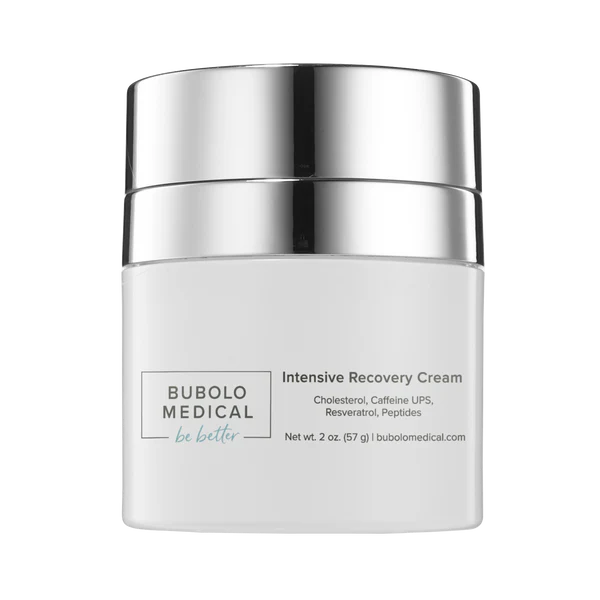
Bubolo Medical Intensive Recovery Cream
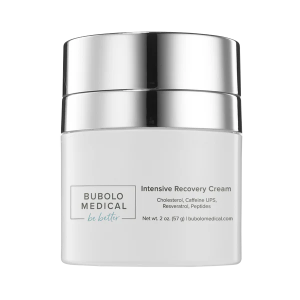
The Bubolo Medical Intensive Recovery Cream is a restorative skincare product designed to improve the health and appearance of your skin. It’s an excellent moisturizer for mature skin that addresses multiple concerns associated with skin aging.
This soft cream mimics and enhances the skin’s natural moisture preservation, fortifying the skin against environmental stressors. It’s particularly beneficial for those with a compromised skin barrier or experiencing skin irritation.
This cream features a proprietary blend of squalane, cholesterol, and ceramides, providing immediate soothing and deep hydration. These ingredients are known for replenishing lipids, which are essential for maintaining a healthy and hydrated skin barrier. The formulation boosts collagen synthesis, resulting in visibly firmer and rejuvenated skin.
Innovative ingredients, such as Sodium PCA, Hyaluronic Acid, and Tetrapeptide-21 ensure that the cream moisturizes and repairs the skin. This makes it particularly effective for post-procedure recovery or for addressing compromised skin conditions.
The addition of caffeine, resveratrol, and green tea polyphenols offers a therapeutic approach, reducing inflammation and promoting healing.
Regular use of the Intensive Recovery Cream, especially in combination with retinol treatments, amplifies the product’s efficacy. It enhances skin tolerance to retinol, making the skin more resilient and improving overall results.
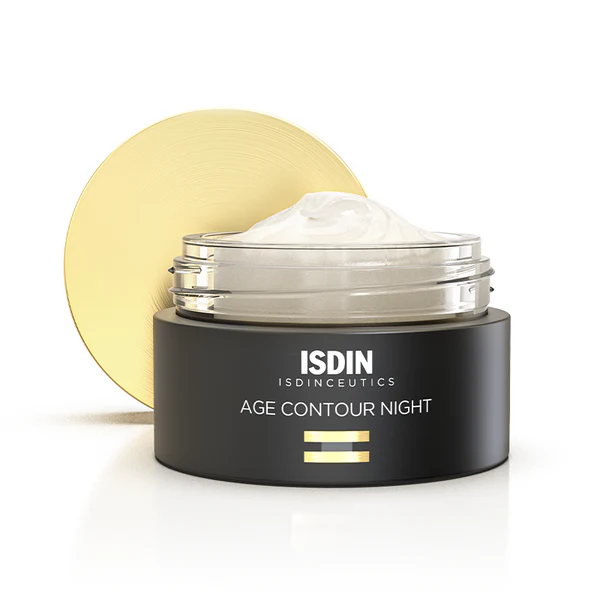
ISDIN Age Contour Night Cream
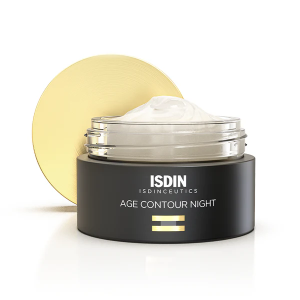
ISDIN Age Contour Night Cream is a luxurious and restorative cream specifically designed for the face and neck. Its formulation is rich in antioxidants, melatonin, and peptides, offering a potent blend of ingredients that provide triple-action repair. This lightweight cream is ideal for those looking to undo the damage of the day, reduce visible signs of mature skin, and calm the skin cells overnight.
The combination of melatonin, peptides, and antioxidants targets visible signs of aging by repairing daily skin damage and promoting a smoother, more youthful complexion. This night cream deeply moisturizes and plumps the skin, effectively reducing the appearance of fine lines and wrinkles.
By supporting collagen and elastin production, ISDIN Age Contour Night Cream improves skin elasticity and helps to define facial contours. The cream calms and comforts the skin overnight, minimizing potential irritation and leaving the skin feeling refreshed.
It is suitable for all skin types, including sensitive skin, making it suitable for any skincare routine.
The luxurious formula melts into the skin, working tirelessly while you sleep to diminish the look of wrinkles and fine lines, restore a radiant, healthy glow, improve skin texture and suppleness, and visibly firm and lift facial contours.
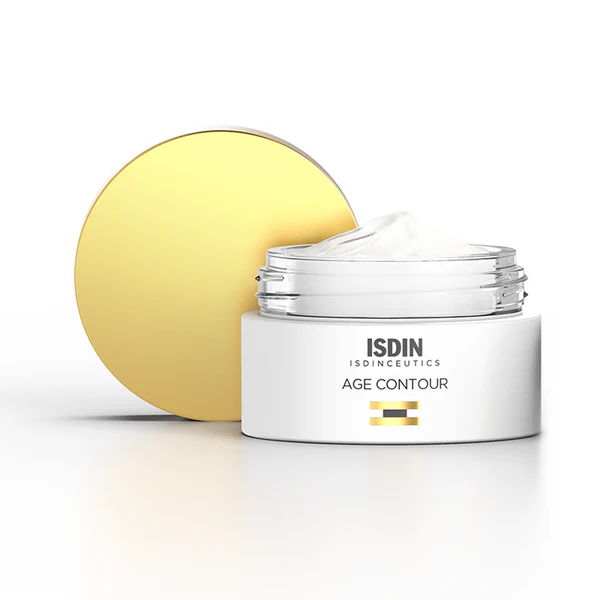
ISDIN Age Contour Face and Neck Firming Cream
ISDIN Age Contour Face and Neck Firming Cream is a luxurious moisturizing cream designed to firm and hydrate the face and neck. Its rich formula offers advanced moisturizing and skin-tightening properties while protecting against the damaging effects of pollution. This cream effectively reduces the visible appearance of fine lines and wrinkles, redefining the neck and jawline for visibly smoother, firmer skin.
The advanced firming action of ISDIN Age Contour targets sagging skin with an innovative complex that boosts collagen and elastin production, creating a visibly lifted and more sculpted appearance. Rich in hyaluronic acid, it plumps the skin, smooths wrinkles, and locks in long-lasting moisture for a refreshed, dewy look.
Additionally, it forms a protective barrier against environmental stressors and combats the damaging effects of glycation, keeping skin firm and supple. The luxurious, non-comedogenic formula is suitable for all skin types, including sensitive skin.
ISDIN Age Contour Face and Neck Firming Cream goes beyond just moisturizing. Users can expect firmer, more defined facial contours, improved elasticity, and reduced sagging, particularly around the jawline and neck. The cream diminishes the appearance of wrinkles and fine lines, provides a healthy radiance, and offers protection against everyday environmental damage.
While both ISDIN Age Contour Night Cream and ISDIN Age Contour Face and Neck Firming Cream provide excellent anti-aging benefits, they cater to slightly different needs. The Night Cream focuses on overnight repair and hydration with melatonin and peptides, making it ideal for restoring and calming the skin during sleep.
In contrast, the Face and Neck Firming Cream offers advanced firming and protection against pollution, making it perfect for daily use to combat sagging and environmental damage.
What to Look for in the Best Facial Moisturizers for Aging Skin
Choosing the best facial moisturizer for aging skin involves understanding the key ingredients and benefits that address the unique needs of mature skin. Our skin undergoes various changes as we age, such as reduced collagen production, decreased elasticity, and increased dryness.
To combat these signs of aging effectively, a high-quality facial moisturizer should incorporate specific features and ingredients.
Here’s what to look for:
Advanced Firming Action of Skin Barrier
Products that promote collagen and elastin production benefit aging skin greatly.
Ingredients like peptides and advanced complexes in moisturizers can help firm sagging skin, redefine facial contours, and create a more lifted, sculpted appearance.
Tip: Choose products that work together to address your specific skincare needs rather than duplicating the same ingredients across multiple items. For example, if you are already using a standalone retinol serum, you likely don’t need a face cream that also contains retinol. The same principle applies to other ingredients that slow down aging.
Deep Hydration of Mature Skin
Mature skin often experiences increased dryness, which can accentuate fine lines and wrinkles. Look for moisturizers rich in hydrating ingredients such as hyaluronic acid, which plumps the skin and locks in long-lasting moisture. This helps to smooth wrinkles and give the skin a refreshed dewy appearance.
Antioxidant Protection and Improved Skin Texture
Antioxidants protect the skin from environmental stressors and free radicals that accelerate aging. Ingredients like melatonin and other antioxidants can repair daily skin damage and promote a smoother, more youthful complexion.
Incorporating antioxidants into your skincare routine helps to combat the visible signs of aging and improve skin texture.
Pollution Protection
In today’s environment, pollution can significantly impact the skin, leading to premature aging.
Look for moisturizers that form a protective barrier against environmental damage. These products shield the skin from harmful external factors and help preserve its youthful appearance.
Anti-Glycation Technology
Glycation is a process where sugar molecules bind to proteins like collagen and elastin, causing them to become stiff and less functional. This contributes to sagging and loss of elasticity.
Moisturizers with anti-glycation technology help combat this process, keeping the skin firm and supple.
Note: Even hypoallergenic products can cause a skin reaction. To test a product, apply a small amount to your inner forearm. Repeat this twice a day for four to five days. If your skin remains free of redness, itching, and other reactions, it is safe to apply it to your face and other areas.
Application Tips for Maximum Benefits
Applying facial moisturizers correctly can significantly enhance their effectiveness, ensuring that your skin reaps the maximum benefits from the active ingredients.
Here are some expert-recommended tips to help you get the most out of your anti-aging facial moisturizers:
Start with Clean Skin
Always begin your skincare routine with a clean face. Use a gentle cleanser to remove makeup, dirt, and impurities. This helps to create a fresh canvas, allowing the moisturizer to penetrate more effectively.
Use a Toner
After cleansing, apply a toner to balance your skin’s pH levels and prepare it for the moisturizer. Toners can also help to remove any residual impurities and tighten pores, making the skin more receptive to subsequent products.
Apply Moisturizer on Damp Skin
Applying moisturizer to slightly damp skin can help lock in extra moisture. After cleansing and toning, lightly pat your face with a towel, leaving it a bit damp before applying your moisturizer. This helps to seal in the hydration and enhances absorption.
Application Tip: You will likely need to use the wrinkle cream once or twice a day for several weeks before seeing any noticeable changes in your skin. Additionally, if you stop using the product, your skin is likely to revert to its previous condition.
Apply in Upward Motions
When applying moisturizer for mature skin, use gentle, upward strokes to massage the product into your skin. This technique helps to stimulate circulation and prevent tugging or pulling on the skin, which can contribute to sagging over time. Focus on areas prone to dryness and fine lines, such as around the eyes and mouth.
Don’t Forget the Neck and Décolleté
The neck and décolleté are often neglected but can show signs of aging just as much as the face. Extend your moisturizing routine to these areas to maintain a consistent and youthful appearance.
Layer Products Correctly
If you use additional skincare products like serums, eye creams, or treatments, apply them in the correct order. Typically, the rule is to apply products from the thinnest to the thickest consistency.
Apply serums and treatments first, followed by eye cream, and finish with your moisturizer.
Allow Time for Absorption
Give your moisturizer time to absorb into your skin before applying makeup or other products.
Waiting a few minutes ensures that the active ingredients have penetrated the skin properly and prevents pilling or interference with makeup application.
Use Sunscreen During the Day
If you’re applying moisturizer in the morning, follow it up with a broad-spectrum sunscreen with at least SPF 30. This protects your skin from harmful UV rays, which can accelerate aging and counteract the benefits of your anti-aging products.
Expert Guidance for Youthful, Radiant Skin at Any Age
Taking care of your mature skin is not just about products—it’s about embracing a level of care that truly nurtures and rejuvenates.
At Bubolo Medical, we understand that your skin is as unique as you are, which is why our service goes beyond just selling products. We’re committed to providing personalized skincare solutions that match the needs and concerns of your mature skin.
Our team’s warm personality and dedication to customer care ensure that you’ll receive support and guidance every step of your skincare journey. Whether you’re dealing with fine lines, dryness, or loss of firmness, we’re here to help you find the perfect moisturizer to bring out the best in your skin.
Don’t let aging skin hold you back. Take the first step towards radiant, youthful-looking skin today by exploring our carefully curated selection of top-tier moisturizers. Your skin deserves the best, and at Bubolo Medical, that’s precisely what we aim to provide.