
Now offering virtual care!

What Is Trichotillomania?

When actress Olivia Munn publicly shared her experience with trichotillomania, she helped bring visibility to a condition that affects millions—but is often misunderstood. Trichotillomania (pronounced trick-o-till-o-mania), or “trich,” is a mental health disorder that causes people to compulsively pull out their own hair, often from the scalp, eyebrows, or eyelashes.

While it can be triggered by stress, anxiety, or boredom, it’s more than a nervous habit. Trich is classified as a body-focused repetitive behavior (BFRB) and falls within the obsessive-compulsive spectrum. Over time, it can lead to both emotional distress and visible hair loss—making treatment and recovery both a mental and physical process.

What Causes Trichotillomania?

There’s no single cause, but several factors appear to contribute:

  • Genetics: A family history of OCD, anxiety, or BFRBs may increase risk

  • Brain chemistry: Neurotransmitter imbalances (like dopamine or serotonin) may play a role

  • Emotional triggers: Stress, trauma, or boredom can initiate pulling

  • Behavioral reinforcement: The act of pulling relieves tension, making the cycle hard to break

Most people with trich describe a sense of buildup—like tension or anxiety—followed by temporary relief after pulling. Over time, it becomes a learned coping mechanism that’s difficult to unlearn without support.

How Trichotillomania Affects Hair Growth

Repeated pulling can damage hair follicles, irritate the scalp, and cause bald patches. In mild cases, hair regrows once pulling stops. But when the behavior continues for years—or if scarring develops—hair loss may become permanent.

Patients in Cobb County, including Marietta and Acworth, often come to us asking if a hair transplant can reverse the damage.

Can You Get a Hair Transplant After Trichotillomania?

In some cases, yes. But there are important criteria that must be met.

Hair transplant surgery involves taking healthy follicles from one part of the scalp and transplanting them to thinning or balding areas. For patients who have been pull-free for a significant period of time and show no signs of scarring, hair restoration may be possible.

You may be a candidate if:

  • You’ve been pull-free for 12–24 months

  • You have no visible scarring in the transplant area

  • Your behavior is well-managed with mental health support

  • You understand that restoration is gradual and results take time

However, if the pulling behavior is still active or there’s visible scarring, a transplant is not recommended until those issues are addressed.

Why Mental Health Comes First

A hair transplant won’t be effective if the root cause of the hair loss—trichotillomania—is still active. That’s why behavioral therapy is often the first step. Working with a licensed mental health provider helps you address triggers, reduce urges, and build healthy coping mechanisms.

Once the behavior is under control, long-term cosmetic options like hair restoration can be explored safely and effectively.

Treatment Options for Trichotillomania

Managing trichotillomania requires a whole-person approach. Common strategies include:

  • Cognitive Behavioral Therapy (CBT): Especially Habit Reversal Training (HRT), which helps you recognize triggers and replace the behavior

  • Medications: Some patients benefit from antidepressants or anti-anxiety medications under medical supervision

  • Mindfulness and stress reduction: Techniques like journaling, exercise, or breathwork can help lower overall tension

  • Support groups: Peer support, both in person and online, can reduce shame and encourage progress

If you’re not yet ready for a hair transplant, this type of care is a critical first step toward long-term recovery.

Hair Restoration in Cobb County for Trich-Related Hair Loss

At Bubolo Medical, we recognize that hair loss isn’t just cosmetic—it’s emotional. Whether you’re exploring recovery from trichotillomania or have already made progress and want to restore confidence, we’re here to help.

Our clinics in Acworth and Marietta serve patients across Cobb County and the greater Atlanta area with personalized care, clinical expertise, and judgment-free support. We’ll walk you through your options and help you decide if hair restoration is appropriate for your stage of recovery.


FAQ: Trichotillomania and Hair Loss Recovery

Can I get a hair transplant if I have trichotillomania?
Yes, but only if the behavior has been well-managed for at least 12 to 24 months. Active pulling or scalp damage can reduce your chances of a successful result.

How do I know if my scalp is too damaged for transplant?
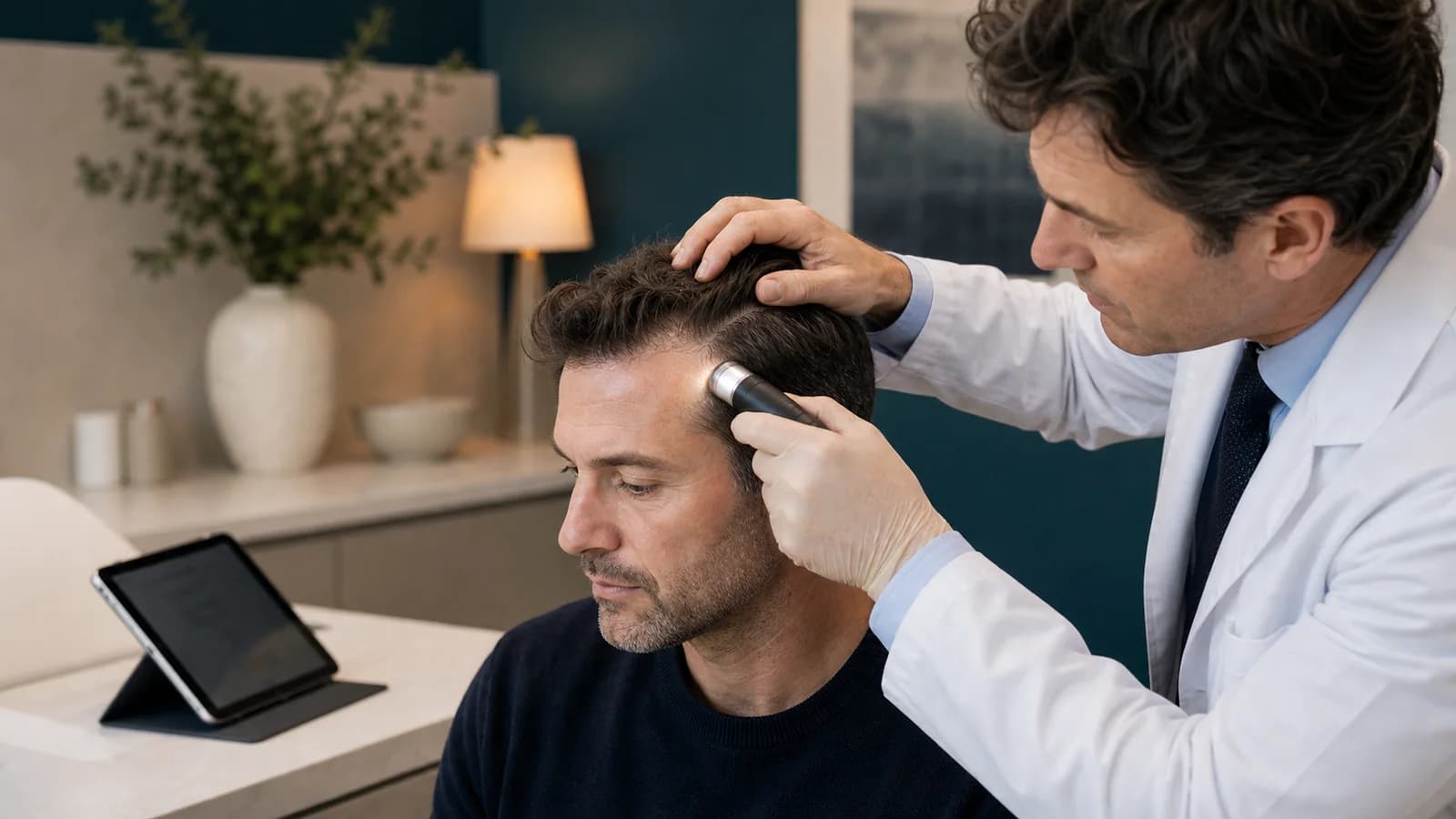
A medical evaluation can determine whether your follicles are scarred. If scarring is present, a transplant may not be effective.

What is the best treatment for trichotillomania?
Cognitive Behavioral Therapy (CBT), especially Habit Reversal Training, is the most evidence-based approach. Medications and stress management can also help.

Will my hair grow back after I stop pulling?
It depends on how long you’ve had the behavior and whether follicles are scarred. In many cases, hair regrows once pulling stops—but not always.

Is there hair restoration for trichotillomania in Cobb County?
Yes. Bubolo Medical offers hair restoration consultations in both Acworth and Marietta for patients recovering from trich-related hair loss.

Share this blog
Scroll to Top