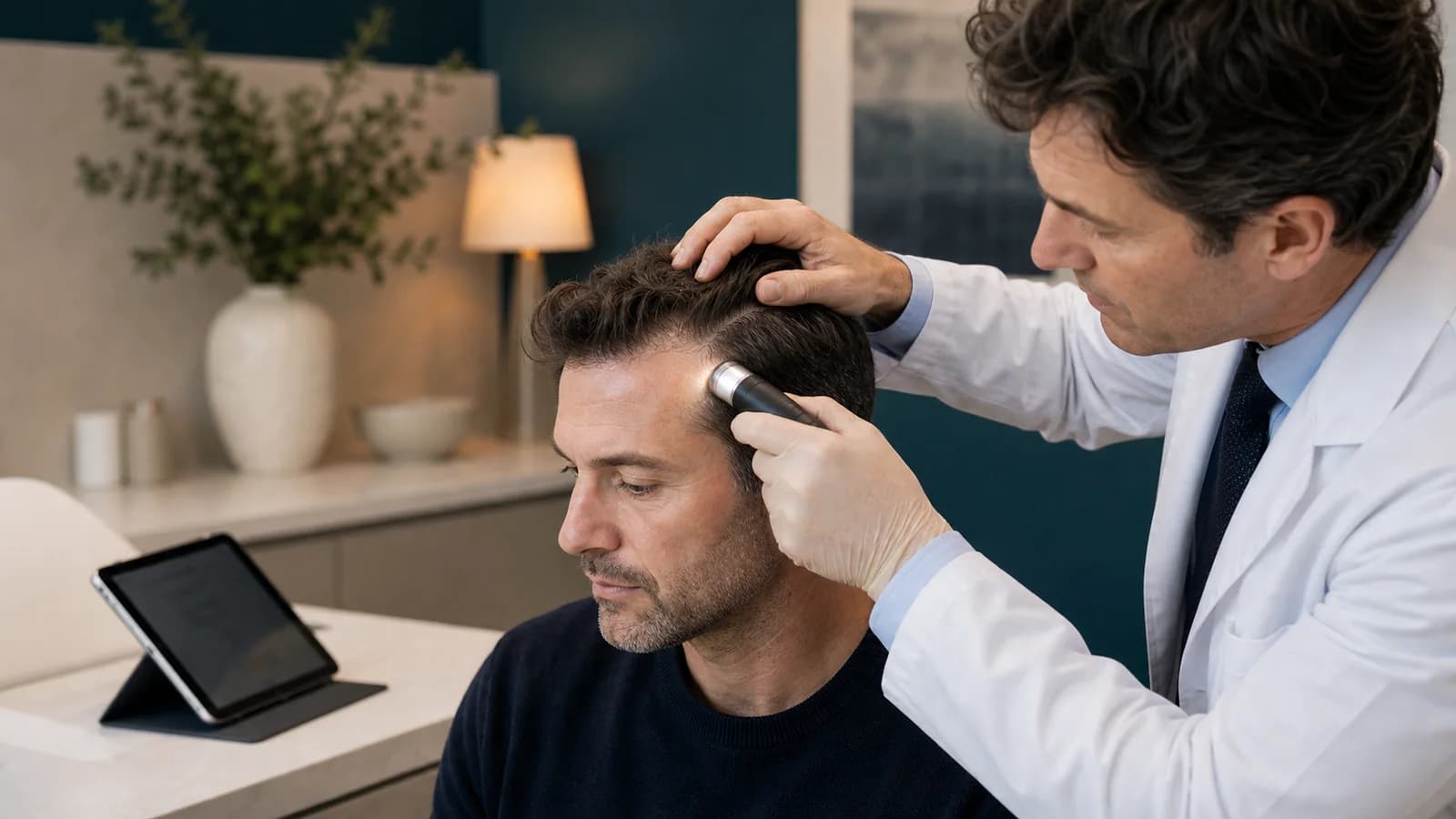
Hair Transplant Cost
Hair is an essential aspect of our appearance that plays a significant role in defining our identity and boosting our self-esteem. However, hair loss can be a distressing experience, leaving many individuals seeking solutions to regain their confidence. Among various remedies, hair restoration surgery and hair transplants have gained popularity in recent years thanks to their promising and permanent results.
As more people consider undergoing hair restoration, understanding hair transplant cost becomes crucial. This article discusses the factors affecting hair transplant costs and provides essential information to help you make an informed decision.
Introduction to Hair Transplants
Hair transplant surgery is a medical procedure designed to treat hair loss by redistributing healthy hair follicles from the donor area to the affected, thinning, or balding areas on the scalp. Two widely adopted methods for this procedure are Follicular Unit Extraction (FUE) and Neograft.
Neograft
The FUE method involves extracting individual hair follicles from the donor area (typically the back and sides of the head) and implanting them into the recipient sites. This minimally invasive procedure leaves no linear scars and promotes a faster healing process.
On the other hand, the Neograft method uses an automated device that extracts and implants the hair follicles, ensuring a more efficient and less labor-intensive procedure than the traditional FUE method. Both techniques offer natural-looking and long-lasting results.
The primary goal of a hair transplant procedure is to restore a full, natural appearance to the hair while minimizing scarring and damage to the donor and recipient sites. Patients can expect a significant improvement in hair density and coverage, enhancing their overall appearance and boosting self-confidence. It's important to note that results vary depending on individual factors such as hair type, density, and the extent of hair loss.
As with any surgical procedure, hair transplant surgeries risk side effects and complications. Some common side effects include swelling, redness, and temporary numbness in the treated areas. Additionally, patients may experience minor bleeding, infection, or scarring. Although rare, more severe complications like poor hair growth, unnatural hair direction, or folliculitis (inflammation of hair follicles) may occur. Choosing a qualified and experienced hair transplant surgeon is essential to minimize these risks and ensure the best possible outcome.
Factors Influencing Hair Transplant Cost
The cost of hair transplant procedures can vary significantly depending on several factors. One of the primary factors affecting the price is the extent of hair loss experienced by the patient. The larger the area to be treated, the more follicles need to be transplanted, leading to an increase in the overall cost.
Additionally, the number of sessions required to achieve the desired result can also impact the total price, as more sessions mean more time spent in the clinic and increased use of resources.
Another essential factor contributing to the hair transplant cost is the experience and expertise of the doctor performing the procedure. Highly skilled and experienced doctors may charge higher fees due to their reputation and the quality of their work.
It is crucial to prioritize the quality of the procedure and the doctor's credentials over cost, as this can significantly affect the outcome and long-term satisfaction with the results.
The clinic's location can also influence the cost of a hair transplant. Clinics in metropolitan areas or regions with a higher cost of living generally have higher overhead expenses, which may be reflected in the price of the procedure.
In some cases, traveling to a different city or country for the surgery can lead to cost savings; however, it is important to consider the additional expenses associated with travel and accommodations.
Aside from the procedure, there may be additional costs beyond hair transplants, such as medication prescribed before and after the surgery. These medications may include antibiotics to prevent infection, pain relievers to manage discomfort, and anti-inflammatory drugs to reduce swelling, adding to the total cost.
Furthermore, follow-up appointments with the doctor are essential for monitoring progress and ensuring proper healing of hair transplants. Depending on the doctor's fee structure, these appointments may or may not be included in the initial cost estimate for hair transplants.
Post-procedure care is another factor to consider when budgeting for a hair transplant. Proper care of the treated area, including cleaning, application of topical treatments, and the use of specialized shampoos or conditioners, can contribute to the overall cost. Following the doctor's recommendations for post-procedure care is essential to ensure optimal healing, healthy hair, and the best possible outcome.
In summary, several factors impact the cost of hair transplant procedures, including the extent of hair loss, the area to be treated, the number of sessions required, the experience and expertise of the doctor, the location of the clinic, and additional expenses such as medication, follow-up appointments, and post-procedure care. Understanding these factors can help patients make informed decisions about their hair restoration journey and budget accordingly.
Comparing FUE and FUT Hair Transplant Methods
The cost of hair transplant procedures and treatments can vary significantly between different countries. While the cost of living, currency exchange rates, and local economic factors contribute to these price differences, it is essential to consider the procedure's quality and the clinic's reputation when comparing costs internationally.
In countries like Turkey and India, hair grafts and hair transplant procedures are often more affordable than in the United States or Western Europe. Turkey, in particular, has become a popular destination for hair restoration tourism due to its lower costs and well-regarded clinics.
However, patients must consider factors such as travel expenses and the potential need for follow-up care when traveling abroad for a hair transplant. It often makes more sense to look to an Atlanta Hair Transplant for Americans.
When comparing different hair transplant treatments, the pricing for Follicular Unit Extraction (FUE) and Follicular Unit Transplantation (FUT) can differ.
FUE, a more labor-intensive technique that involves individually harvesting and implanting the hair follicle, tends to be more expensive than FUT. FUT, also known as strip harvesting, involves removing a strip of scalp containing hair from the donor area, dissecting it into individual follicular units, and transplanting them into the recipient area. The FUT method typically leaves a linear scar, while FUE does not.
The choice between FUE and FUT depends on factors such as the patient's preferences, hair type, and the extent of hair loss. In the United States, the cost of hair transplant procedures varies widely depending on factors such as the surgeon's experience, geographic location, and the specific method used.
The typical range for a hair transplant procedure can be anywhere from $4,000 to $35,000. It is essential for patients to research and consult with multiple clinics to obtain accurate cost estimates and find the best fit for their needs and budget.
Bubolo Medical: Affordable Hair Restoration Services Cost
Bubolo Medical is a reputable healthcare provider that offers a range of services, including hair transplant procedures. Known for their expertise and commitment to patient satisfaction, Bubolo Medical provides top-quality hair restoration treatments to help individuals regain their confidence and achieve a fuller, natural-looking head of hair. The cost of a hair transplant at Bubolo Medical is set at $6,995. This price reflects the clinic's dedication to offering competitive and transparent pricing while maintaining high standards of care.
To make the procedure more accessible to patients, Bubolo Medical provides financing options through Affirm and Inhouse. These financing solutions allow patients to pay for their hair transplant over time, making the procedure more affordable and manageable.
It is important to note that Bubolo Medical focuses exclusively on the Follicular Unit Extraction (FUE) method for hair transplantation and does not offer Follicular Unit Transplantation (FUT) procedures. The FUE method is known for its minimally invasive approach and reduced scarring, which is why Bubolo Medical has chosen to specialize in this technique.
In summary, Bubolo Medical provides high-quality hair transplant services at a competitive cost of $6,995. With financing options available through Affirm and Inhouse, patients can achieve their hair restoration goals without financial strain. By specializing in FUE procedures, Bubolo Medical ensures that patients receive the best possible care and results.
New Trends and Advancements in Hair Transplants
As the field of hair restoration continues to evolve, new trends and advancements are emerging that offer improved results and patient experiences.
One of the most notable developments in hair transplant technology is the introduction of robotic procedures. Robotic hair transplant systems, such as the ARTAS system, use advanced imaging and precision robotics to identify and extract optimal follicles for transplantation. This technology minimizes the risk of human error, reduces scarring, and leads to faster recovery times.
Another significant advancement in the hair transplant industry is the use of medications like finasteride to complement hair restoration procedures. Finasteride, a prescription medication, works by blocking the conversion of testosterone into dihydrotestosterone (DHT), which contributes to hair loss. When used in conjunction with hair transplant procedures, finasteride can help promote hair growth and improve the overall success of the treatment.
These new advancements and trends inevitably affect the cost of hair transplant procedures. Robotic hair transplant systems, due to their cutting-edge technology and increased precision, often come with a higher price tag compared to traditional methods.
Similarly, the use of medications like finasteride may add to the overall cost of treatment. However, patients should consider the potential benefits of these advancements, such as improved results and reduced recovery time, when weighing the costs.
In conclusion, the field of hair transplantation is continuously evolving with new advancements and trends aimed at enhancing patient outcomes. Robotic hair transplant procedures and the use of medications like finasteride are just a few examples of these developments.
While these advancements may impact the cost of hair transplants and hair transplant surgery, they offer significant patient benefits, making them worthwhile considerations in the hair restoration journey.
Conclusion: Choosing the Right Hair Transplant Option
In this article, we have discussed the various factors influencing the cost of hair transplant procedures, including the extent of hair loss, the doctor's experience, the clinic's location, and additional expenses like medication and post-procedure care. We also explored the differences in pricing between FUE and FUT methods and the costs associated with hair transplant procedures in different countries.
Furthermore, we highlighted the advancements in hair transplantation technology, such as robotic procedures and complementary medications. When considering hair restoration options, it is essential to consider these factors.
Bubolo Medical stands out as an affordable option, offering high-quality hair transplant procedures at a competitive price. Bubolo Medical doesn't charge by the grafts; they charge one flat rate. Pricing by grafts is overly complicated and confusing to patients. It puts them in a high-pressure sales environment, forcing some patients to compromise on the number of needed grafts due to the hair transplant's cost.
To see if you're a candidate, get a free consultation at Bubolo Medical. The consultation will involve sending pictures of the back of your head so the experts can assess your donor area.
Locations
ACWORTH
3889 Cobb Parkway NW, Acworth, GA 30101
[email protected] (770) 975-1299
HOURS
Monday-Thursday 9am–1pm / 3pm–6pm
Friday 9am–1pm Saturday/Sunday Closed
ACWORTH TEAM
MARIETTA
620 Cherokee St NE Suite 250, Marietta, GA 30060
[email protected] (404) 383-8252
HOURS
Monday-Thursday 9am–1pm / 3pm–6pm
Friday 9am–1pm Saturday/Sunday Closed